

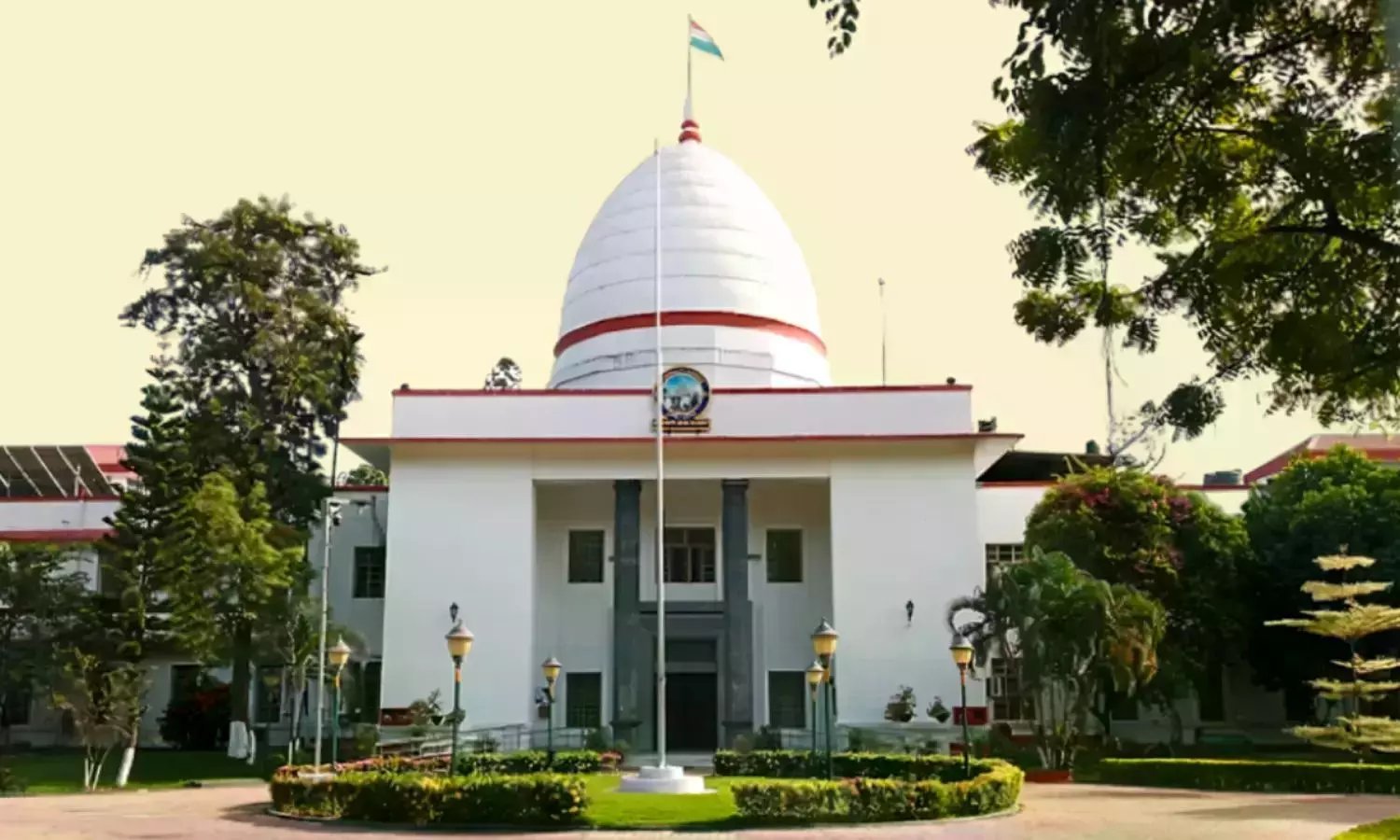
The Gauhati High Court, in a ruling delivered by Justice Arun Dev Choudhury, has affirmed that Talaq-e-Hasan is not legally prohibited in India and remains valid under Muslim personal law. The court addressed a petition filed by an Assam resident seeking to formalize a divorce completed through the three-stage pronouncement over a three-month period.
Key Aspects of the Ruling
-
Distinction from Instant Divorce: The court underscored the legal distinction between Talaq-e-Hasan—where the word talaq is pronounced across three separate intervals to allow windows for reconciliation—and Talaq-e-Biddat (instant triple talaq), which was struck down as unconstitutional by the Supreme Court in 2017.
-
Procedural Directives: While recognizing the validity of the practice, the High Court declined the petitioner’s request to register the deed under repealed colonial-era legislation (the 1935 law). Instead, the court directed the petitioner to approach the Barpeta marriage and divorce registrar under the Assam Compulsory Registration of Muslim Marriages and Divorce Act, 2024.
-
Safeguarding Spousal Rights: Noting that the wife did not enter an appearance despite notice, the court explicitly clarified that her absence does not extinguish her legal rights. The ruling preserves her liberty to challenge the divorce proceedings in any competent judicial or legal forum.
