

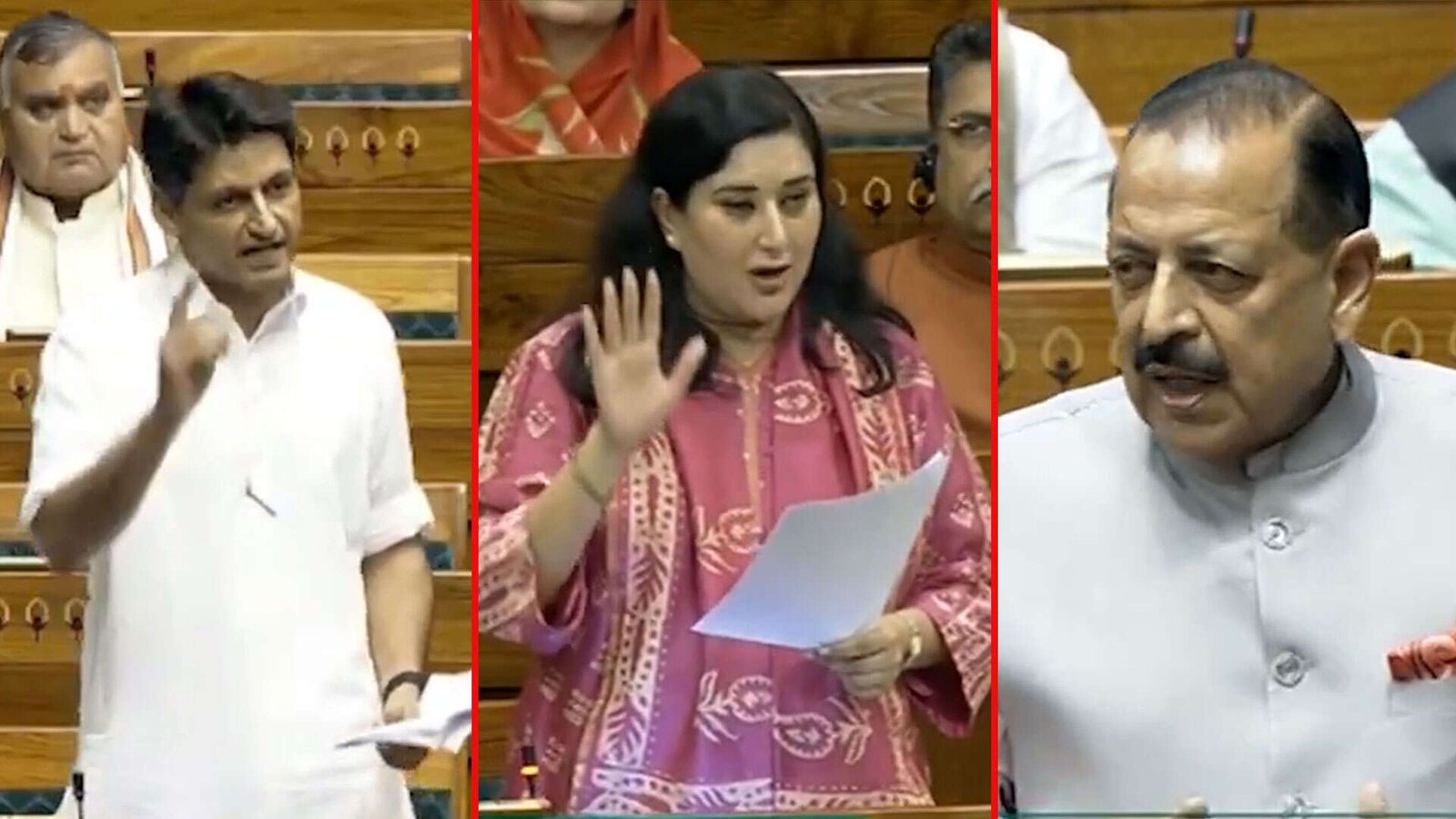
The recent student-led protests at Jantar Mantar—triggered by competitive exam paper leaks and concluding with the resignation of the Union Education Minister—have left a visible mark on Indian politics. Beyond policy discussions, the movement introduced a noticeable shift in parliamentary rhetoric: politicians from across the spectrum have begun using Gen Z slang and meme culture on the house floor to connect with young voters.
Slang in the House: How Parliamentarians Adapted
During debates over competitive exam integrity and legislative reforms, several MPs adopted modern internet lingo:
-
Bansuri Swaraj (BJP): Praised government action by stating that “Modiji clocked it” and introduced a “transformative amendment.”
-
Shrikant Shinde (Shiv Sena): Criticized the opposition’s delayed reaction, claiming they were “MIA” (Missing In Action) for the first 37 days before experiencing “FOMO” (Fear Of Missing Out) and organizing a protest.
-
Supriya Sule (NCP – SP): Slammed the central government’s stance, describing their policy approach as “delulu” (delusional).
-
Deepender Singh Hooda (Congress): Referenced the viral protest catchphrase “vaste-guna-huiya” to poke fun at the administration’s response.
-
Prime Minister Narendra Modi: Shifted communication channels by posting selfie-style late-night reels addressing student protesters as his “friends.”
How Gen Z Students Are Reacting
Students in Delhi shared their perspectives on whether this linguistic pivot is effective or simply performative:
1. Focus on Action Over Vernacular
-
Performative Outreach: Students noted that forcing internet slang into formal debates often feels unnatural. What the younger electorate expects is fundamental accountability—preventing administrative lapses, curbing corruption, and discharging duties efficiently.
-
Using the Right Channels, Not Forced Tone: While forced slang often fails to resonate, students agree that using modern platforms like Instagram and social media for direct engagement is a step in the right direction.
2. Understanding the Mindset
-
Misinterpreting Carefree Energy: Protesters pointed out that politicians often mistake Gen Z’s relaxed, meme-heavy style for a lack of seriousness or effort. The paper leak demonstrations proved that the generation is fully willing to mobilize and exercise political dissent when core issues are at stake.
3. Directness vs. Respect in Dissent
-
Straightforward Communication: In response to political backlash regarding harsh slogans or banners used during protests, students explained that Gen Z tends to avoid mincing words, which older generations may perceive as rudeness.
-
Drawing the Line: While Gen Z is generally uninhibited by traditional authority figures, students emphasized that constructive dissent should not cross into personal defamation or harm.
The Bottom Line
While adapting to digital platforms and casual communication helps bridge the generational gap, young voters make it clear that authentic policy solutions and active listening matter far more than trending keywords. To build lasting credibility with Gen Z, politicians must address structural issues rather than simply mimicking youth culture.
