

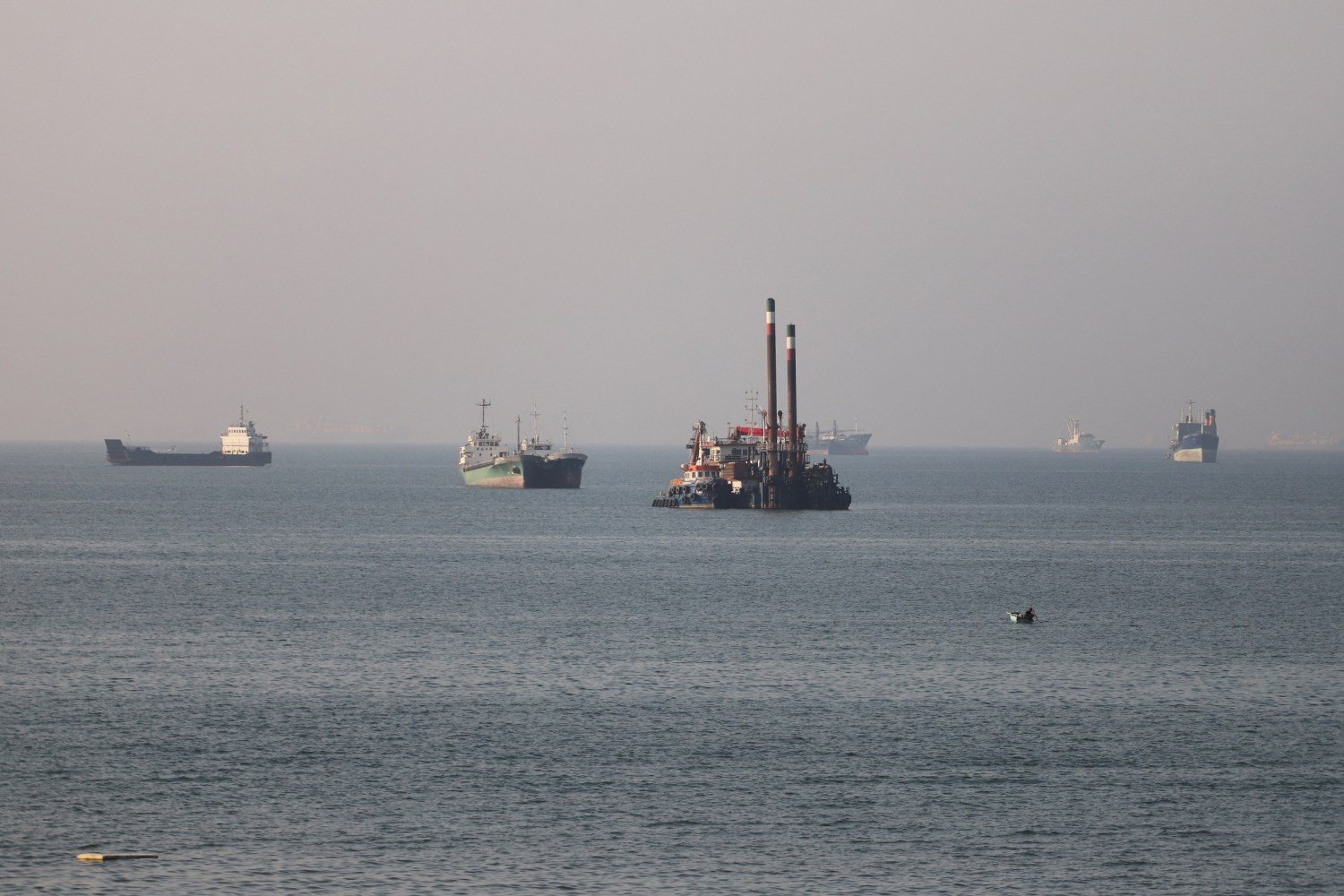
Military tensions in the Middle East have escalated sharply following a rapid exchange of strikes between US and Iranian forces near the strategic Strait of Hormuz.
The conflict ignited after an investigation confirmed an Iranian drone hit and downed a US Army Apache helicopter in the region. Though US officials noted it remains unclear if the drone strike was intentional, Washington responded with a wave of retaliatory military actions.
The US Response: Targeted Air Defenses
US Central Command (CENTCOM) confirmed it carried out what it termed “proportional, self-defense strikes” to neutralize immediate threats to international shipping and American personnel.
According to Axios and military officials, the US Air Force and Navy deployed fighter jets across three rounds of precision bombing. The primary targets were located in southern Iran—specifically around Jask, Sirik, and Qeshm Island—focusing heavily on:
-
Iranian surveillance radar sites
-
Air defense networks
-
Ground control stations
While the US aimed for military infrastructure, local Iranian outlets (such as the Fars news agency) reported secondary civilian damage, including the destruction of a telecommunications tower and two water reservoirs in Sirik’s Bemani district. CENTCOM has since announced that this specific round of retaliatory strikes is complete, though American forces remain highly vigilant.
Iran Vows Retaliation and Strikes Back
Tehran immediately condemned the incursions, warning Washington against testing its resolve. Foreign Minister Abbas Araghchi declared that Iran’s armed forces would “leave no attack or threat unanswered,” bluntly warning American forces to “leave our region if you want to be safe.”
True to their word, Iranian forces launched a rapid, coordinated counter-offensive:
-
Joint Operations: Iran’s military and the Islamic Revolutionary Guard Corps (IRGC) executed a joint assault utilizing the Khatam al-Anbiya central headquarters, targeting multiple US military bases across the region.
-
Drone Attack on the Fifth Fleet: The IRGC claimed responsibility for a direct drone strike targeting the US Fifth Fleet headquarters stationed in Bahrain.
-
Regional Fallout: The attacks prompted Bahrain’s Ministry of Interior to issue an emergency safety advisory, urging local citizens to remain calm and seek immediate shelter.
High-Stakes Diplomacy Under Pressure
This volatile military back-and-forth unfolds at a highly delicate political moment. The outbreak of direct hostilities heavily complicates ongoing efforts by US President Donald Trump, who has been actively attempting to broker a diplomatic deal to de-escalate regional conflicts. With the IRGC warning of even heavier retaliatory measures if American “aggression” continues, the region remains on a knife-edge.
