

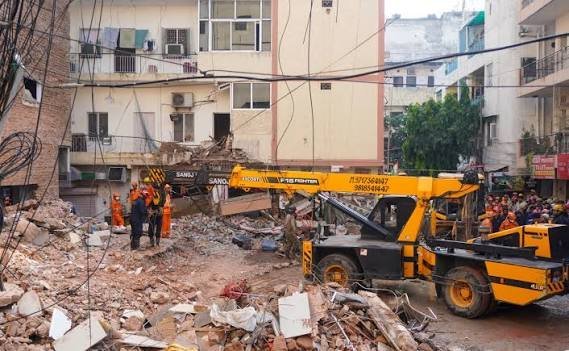
Following a fatal building collapse in Satya Niketan, the Delhi government has drafted a comprehensive policy to regulate private paying guest (PG) accommodations. Accelerated by past safety failures—including the Mukherjee Nagar fire and Old Rajinder Nagar basement flooding—the proposed framework aims to overhaul student housing safety, rent structures, and operator accountability.
Core Proposals of the Draft Policy
-
Mandatory Licensing & Verification: PG operators must obtain a PG Operating Licence, complete police and municipal verifications, and secure a unique registration number.
-
Safety Mandates: Properties must install CCTV cameras in entrances and common areas (with 30-day footage retention), provide licensed night guards for PGs with 15+ students, and ensure wardens are available within 15 minutes in emergencies.
-
Rent & Deposit Caps: A Rent Regulation Committee will establish area-specific rent bands, cap security deposits at three months’ rent, limit advance rent, and restrict utility overcharging (such as exorbitant electricity rates).
-
Tenant Rights: Students will receive 30 days’ written notice before eviction (barring misconduct), protection from discriminatory pricing, and access to a digital platform (GovPG) to check compliance records and file anonymous complaints.
-
Grievance Redressal: An Institutional Accommodation Committee will conduct quarterly inspections and settle disputes within a 15-working-day window.
-
Incentives & Expansion: Compliant PGs can earn property-tax rebates, safety upgrade loans, and priority listings. Simultaneously, the government plans to explore out-of-the-box solutions like utilizing buildings in Narela to boost affordable hostel capacity.
The draft policy is slated for Cabinet deliberations and stakeholder consultations, with a formal Bill expected in approximately 45 days.
