

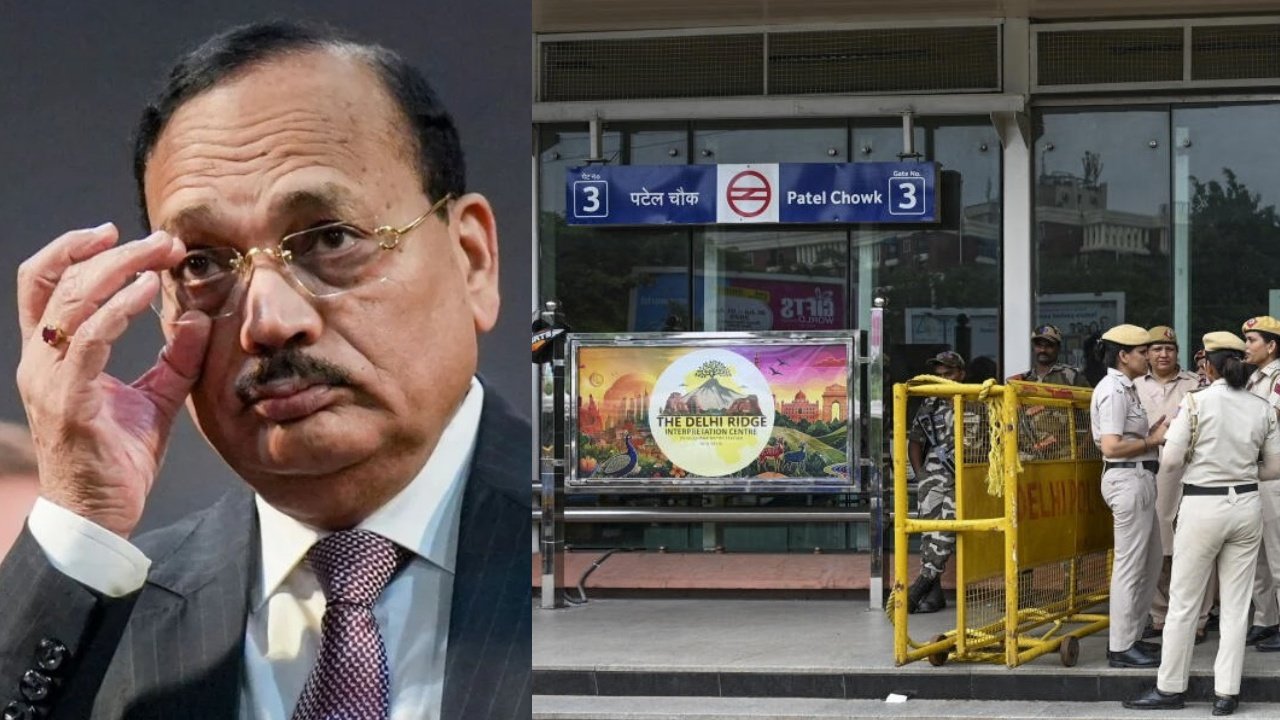
The ongoing central Delhi transit freeze sparked by the Cockroach Janta Party (CJP) student protests reached the highest level of the judiciary on Thursday, as the Supreme Court addressed widespread disruptions to court operations caused by mass Delhi Metro station closures.
At least 16 Metro stations in central Delhi—including the Supreme Court Metro station—were closed by authorities as a security measure following intensifying demonstrations at nearby Jantar Mantar.
Supreme Court Mentioning & Bar Concerns
Supreme Court Bar Association (SCBA) President Vikas Singh formally raised the issue before a bench headed by Chief Justice of India Surya Kant, highlighting that lawyers, litigants, and Registry staff were struggling to reach court premises.
Proposed Solution for Registry & Legal Staff
Singh suggested a targeted exit protocol to restore essential access without compromising security:
-
Screened Exits: Allow commuters holding valid Supreme Court entry passes or proximity cards to exit at the Supreme Court Metro station after security verification.
-
Controlled Passenger Flow: Divert general passengers onto subsequent trains while enabling essential judicial personnel to access court grounds.
The CJI’s Response & Directives
Chief Justice Surya Kant reassured the legal community that the Supreme Court administration is actively taking up the matter with Metro authorities, setting a clear deadline for resolution:
“If by lunchtime something does not happen to open the Metro station, I will intervene. We have directed that no adverse orders should be passed today for non-appearance of lawyers.”
Impact on Central Delhi Transit
The closure of 16 key Metro stations across the central line has severely disrupted daily commuting, impacting access to government offices, legal institutions, and major commercial hubs around Jantar Mantar and Parliament. The Delhi Metro Rail Corporation (DMRC) maintained that stations remain closed “until further orders” as security personnel monitor the ongoing student demonstrations.
