

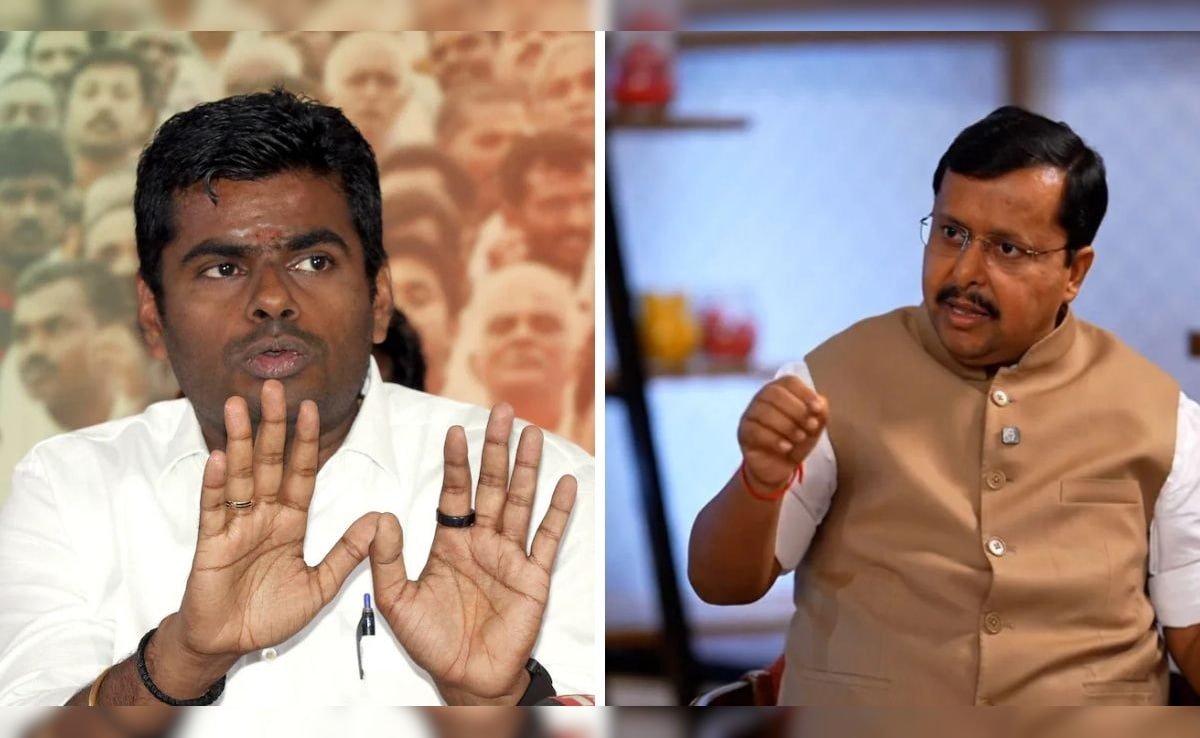
The political landscape in Tamil Nadu is bracing for a massive realignment. K. Annamalai’s definitive meeting in Delhi with BJP National President Nitin Nabin and Organisation Secretary BL Santhosh signals the end of his chapter with the saffron party, paving the way for an entirely new political force in the southern state.
This exit isn’t just a routine resignation—it is a calculated ideological pivot.
Why the Split Became Inevitable
The friction between Annamalai and the BJP central leadership boils down to a fundamental disagreement over long-term strategy versus short-term electoral gains.
-
The Alliance Friction: Annamalai spent his tenure aggressively building the BJP’s grassroots footprint from scratch, positioning it as a fierce independent alternative to both the DMK and AIADMK. However, the central leadership chose pragmatism over groundwork for the May 2026 Assembly elections, reviving its alliance with the AIADMK to pool votes.
-
The Sidelining: The AIADMK leadership reportedly made Annamalai’s removal a non-negotiable prerequisite for the alliance. Consequently, Annamalai was replaced as state chief, did not contest the 2026 state elections, and sat out the campaign trail—a move that culminated in the BJP winning just a single seat in the 234-member house.
-
The Refused Olive Branch: In a bid to retain the high-profile leader, the BJP brass offered Annamalai a safe passage to Parliament via a Rajya Sabha seat. His outright refusal proves he has no interest in being accommodated in Delhi; his focus remains strictly on Tamil Nadu.
The Blueprint for “Dravidian 2.0”
Sources close to the former IPS officer indicate that Annamalai is playing a much longer game, targeting a massive political power shift by the 2031 Assembly elections. His strategy will unfold in distinct phases:
Rather than launching a party overnight, he is expected to first scale up his existing leadership non-profit, “We The Leaders,” into a massive state-wide social movement. This allows him to recruit clean, professional technocrats and young volunteers who are disillusioned by traditional cash-and-caste politics.
Once the organizational framework is rock-solid, he plans to launch a secular, regional party with a national outlook. Dubbed “Dravidian 2.0,” this platform aims to champion Tamil pride and put the state first, but crucially functions within the cooperative framework of the Indian union, completely shedding the rigid religious positioning of the BJP to attract minority and centrist voters.
Capitalizing on a Fractured Landscape
The timing of Annamalai’s exit is highly strategic. The traditional 60-year political cycle dominated exclusively by the DMK and AIADMK has begun to fracture.
Actor-politician Vijay’s successful political debut with his party, TVK, proved that Tamil Nadu’s younger electorate is hungry for fresh faces. However, as young professionals and overseas technocrats find themselves blocked by old-school fans’ associations within TVK, Annamalai intends to open a clean, structured door for them. By shedding the BJP tag, he also clears the path for seasoned, moderate politicians from rival parties to jump ship and join his ranks.
For an in-depth breakdown of the backroom discussions in Delhi regarding his issues with the AIADMK alliance, you can watch this Times Now analysis of Annamalai’s political crossroads. This video details how the poster campaign and Delhi meetings laid the groundwork for his upcoming independent movement.
