

Following nationwide Gen Z protests over NEET paper leaks, the Bharatiya Janata Party (BJP) is reassessing its youth engagement strategies. According to party sources, the party and government are laying the groundwork to bridge the communication gap with the younger demographic through structural changes, digital platforms, and upcoming leadership appointments.
Digital Push and Youth Communication Strategy
To build direct rapport with Gen Z, the government and party have initiated a multi-platform social media strategy:
-
Government Engagement: Union Ministers have been advised to increase their presence on platforms popular with younger audiences, such as Instagram.
-
Two-Way Dialogue: The party plans to integrate youth at the district level into its digital communication setups to foster interactive engagement rather than one-way messaging.
-
Alternative Platforms: BJP leadership is exploring additional non-traditional social media tools to diversify its reach.
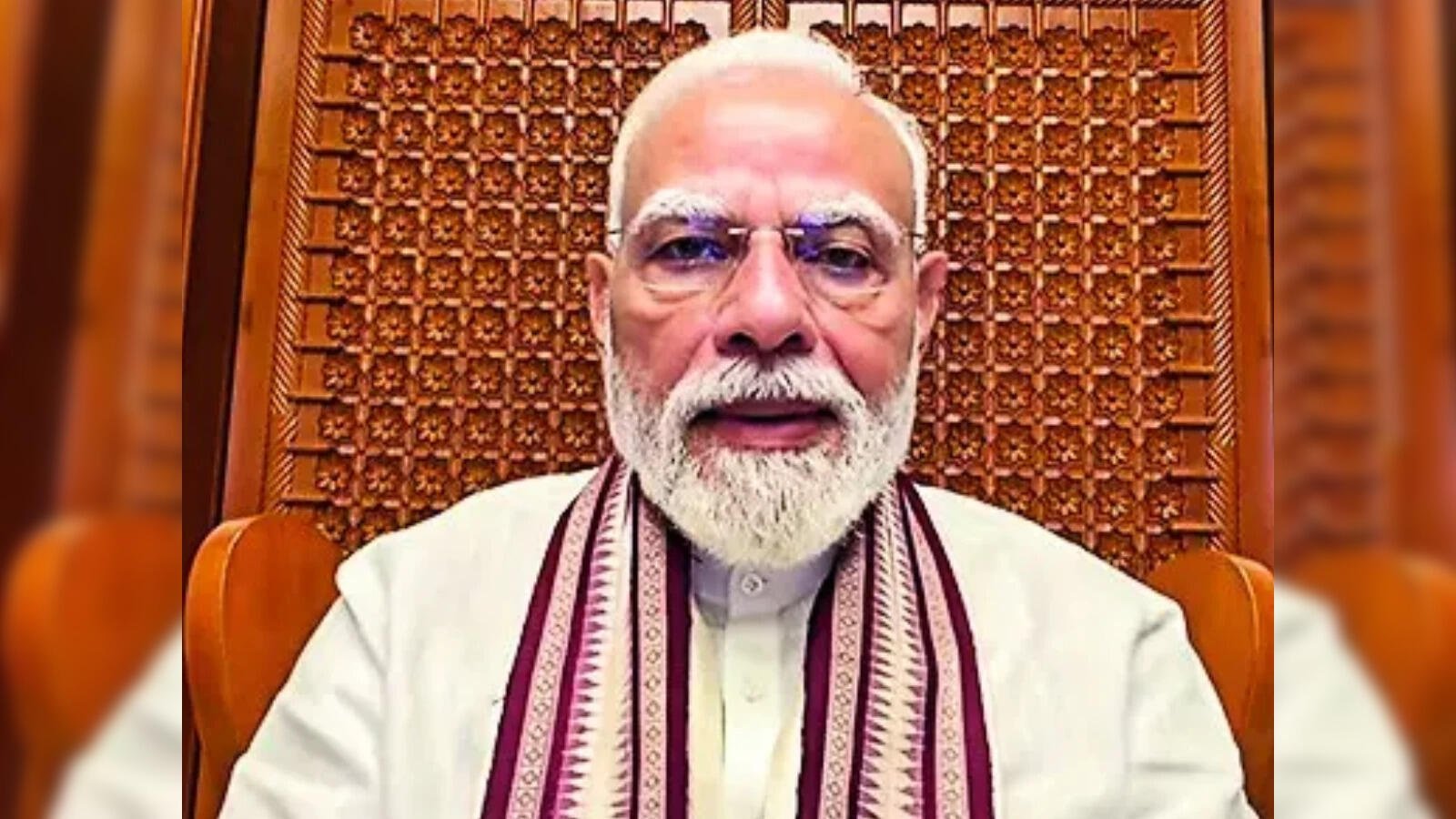
Party leaders pointed to Prime Minister Narendra Modi’s established online presence and popularity among young voters—citing recent electoral results in West Bengal—as a key foundation for this renewed outreach.
Organizational Shake-Up Under Nitin Nabin
The appointment of 45-year-old Nitin Nabin as BJP National President on January 20 marked a generational shift toward fourth-generation leadership within the party. The upcoming announcement of his official team is expected to further reflect this focus on youth and future leadership grooming.
Key Highlights of the Planned Organizational Setup:
-
Age Profile: A shortlist of prospective leaders under the age of 50 has been prepared across various states and sent for feedback to senior leaders.
-
General Secretaries: New faces drawn from various states are expected to join the squad of National General Secretaries. However, seasoned leaders like Vinod Tawde, Sunil Bansal, and Tarun Chugh are likely to retain their positions to ensure administrative stability.
-
Mandatory Diversity Quotas: In line with the party’s constitution, at least 33% (13 out of 38) of national office-bearer roles will be reserved for women—aligning with broader plans for women’s reservation ahead of the 2029 Lok Sabha elections.
In addition to national office-bearers, Nabin is set to reconstitute the Parliamentary Board (the top decision-making body), the Central Election Committee, the National Executive (up to 120 members), and the National Council.
Potential Cabinet Reshuffle
The push to project younger leadership is expected to extend into the government. A reshuffle of PM Modi’s Council of Ministers is anticipated following the conclusion of the Monsoon Session. Sources indicate that several senior ministers may be transitioned out of government roles to make room for younger leaders.
