

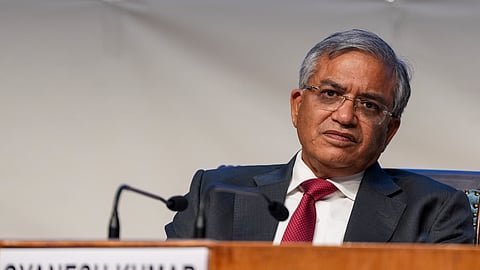
Chief Election Commissioner (CEC) Gyanesh Kumar is facing severe political and legal backlash following a media expose detailing internal disputes within the poll body. Led by the Congress party, the opposition has launched an aggressive campaign demanding his resignation and sweeping reforms to the electoral process.
Key Developments in the Controversy
-
Rahul Gandhi’s Resignation Demand: During a press conference in New Delhi, Leader of Opposition Rahul Gandhi launched a scathing attack, labeling Kumar a “traitor” (deshdrohi) and demanding his immediate resignation. The outcry follows The Indian Express report alleging that the objections of Election Commissioners regarding key processes, such as the Special Intensive Revision (SIR) of voter rolls, were sidelined.
-
“Gyanesh Hatao” Posters & Protests: Escalating protests on the ground, the OBC wing of the Delhi Congress plastered “Gyanesh Hatao, Chunav Aayog Bachao” (Remove Gyanesh, Save Election Commission) posters at Delhi’s ITO intersection. Simultaneously, the Indian Youth Congress launched an online petition titled “Gyanesh, It’s Done Bro”, demanding his arrest, prosecution, and the public release of internal poll panel records.
-
Legal Challenge in Bombay High Court: A formal petition has been filed in the Kolhapur Bench of the Bombay High Court against CEC Gyanesh Kumar and the Election Commission. The petitioners are demanding the immediate revocation of 14 alleged “unilateral administrative orders,” a halt to the ongoing SIR process in Maharashtra, the reinstatement of removed voters, and the postponement of upcoming elections until updated voter lists are fully verified.
-
EC and BJP Responses: Defending its track record, the Election Commission stated that all decisions over the past year were unanimous, noting that differing views are simply standard deliberations. Meanwhile, the ruling Bharatiya Janata Party (BJP) hit back sharply, dismissing Rahul Gandhi’s remarks and branding him a “frustrated leader” unable to accept being confined to the opposition by voters.
Note: The mounting opposition pressure highlights deep divisions over administrative transparency at the poll body, setting the stage for heightened political friction ahead of upcoming electoral battles.
