

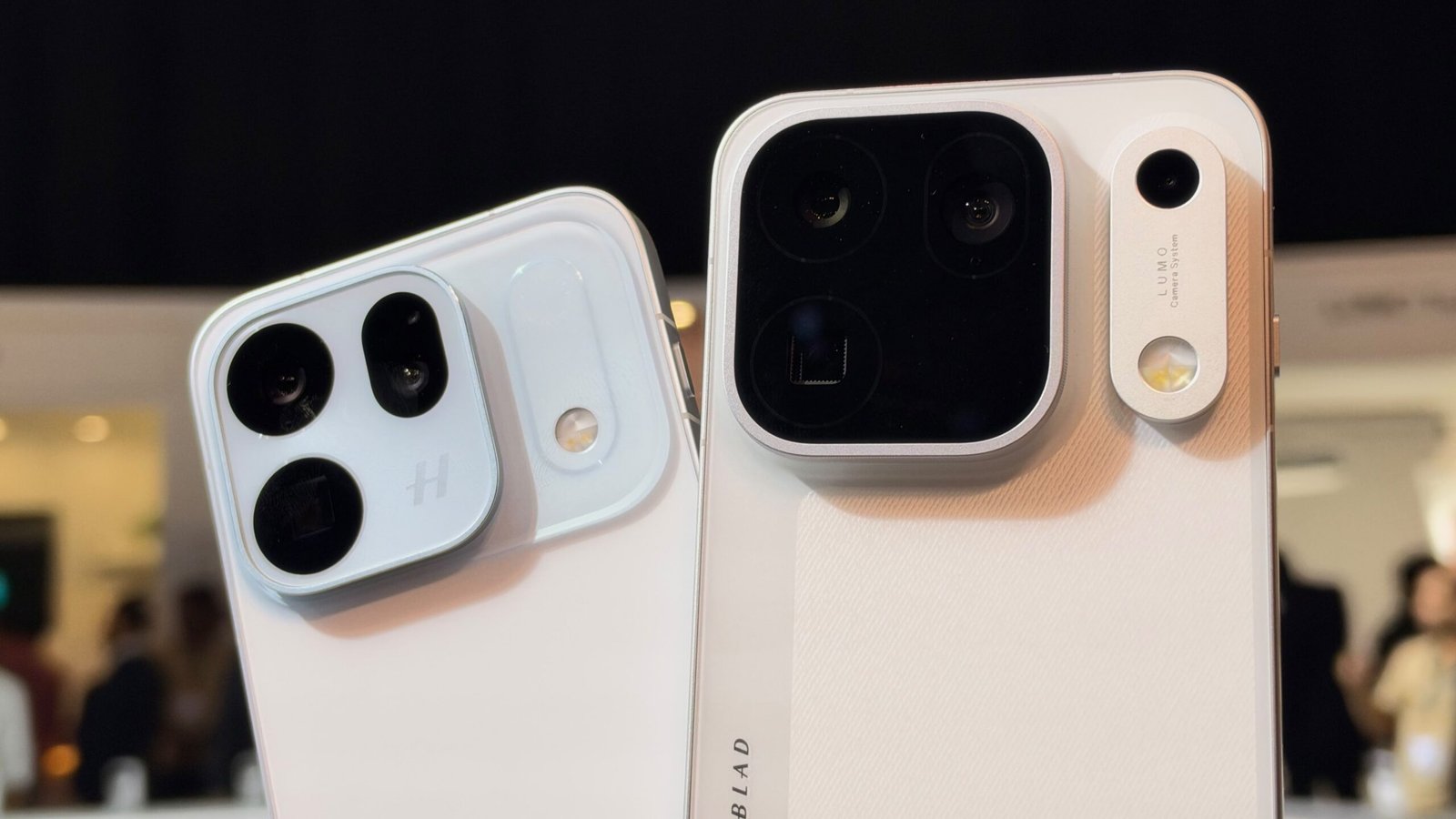
Smartphones are no longer just tools for communication or simple memory-keeping. As flagship models become more premium, consumers and creators increasingly rely on their mobile cameras to perform tasks that once required dedicated DSLRs.
In an interview, Goldee Patnaik, Head of Communication at OPPO India, shared insights into how smartphone camera design is shifting from raw technical specifications to real-world utility, content creation, and small-business empowerment.
1. The Camera as a Presentation & Business Tool
For millions of micro-entrepreneurs—such as home bakers, makeup artists, boutique owners, and fitness instructors—a smartphone camera serves as their primary marketing storefront.
-
Visual Proof of Work: Photos and short-form videos (Reels, Stories) do not just document a creator’s day; they showcase skills and attract new customers.
-
Regional Creator Surge: Citing a 2026 study by the Indian School of Business (ISB) and HashFame, Patnaik noted that Hindi-language creators accounted for 42% of India’s creator base in 2025, while regional language creators made up 58%. Cameras must reliably capture natural skin tones and realistic colors in diverse local environments to help creators build authentic community trust.
-
Economic Impact: According to BCG data, India hosts over 2 to 2.5 million monetized content creators who influence between $350 billion and $400 billion in consumer spending—a figure projected to cross $1 trillion by 2030.
2. Shift From Megapixels to Real-World Utility
For years, the industry judged mobile photography primarily by pixel counts and sharpness. Today, camera evaluation is moving from “How good is the camera?” to “How much can I do with it?”
Key priority areas now include:
-
Natural-Looking Skin Tones & Colors: Reducing over-processed rendering in favor of realistic textures.
-
Low-Light Video Capability: Ensuring crisp, usable video performance during behind-the-scenes shoots, tutorials, and indoor events.
-
Wider Front-Facing Cameras: Solving human problems like group selfies without squeezing people out, while allowing fitness trainers, artists, and boutique owners to capture both themselves and their full working space in a single frame.
3. Silent AI and “Invisible” Production Assistance
Since most users do not have formal training with traditional cameras or complex settings, modern smartphone artificial intelligence is designed to work quietly in the background:
-
Automated Enhancements: AI assists with real-time lighting adjustments, composition framing, and color accuracy without making photos look artificial.
-
Streamlined Workflow: By simplifying the capture and post-editing process, AI enables creators to focus on storytelling, client engagement, and business growth rather than technical troubleshooting.
Summary Takeaway
The modern smartphone camera is evolving into a mobile production studio. As technology adapts to user behavior, success is measured by reliability, natural rendering, and the confidence it gives everyday users and business owners to present their work to the world.
