

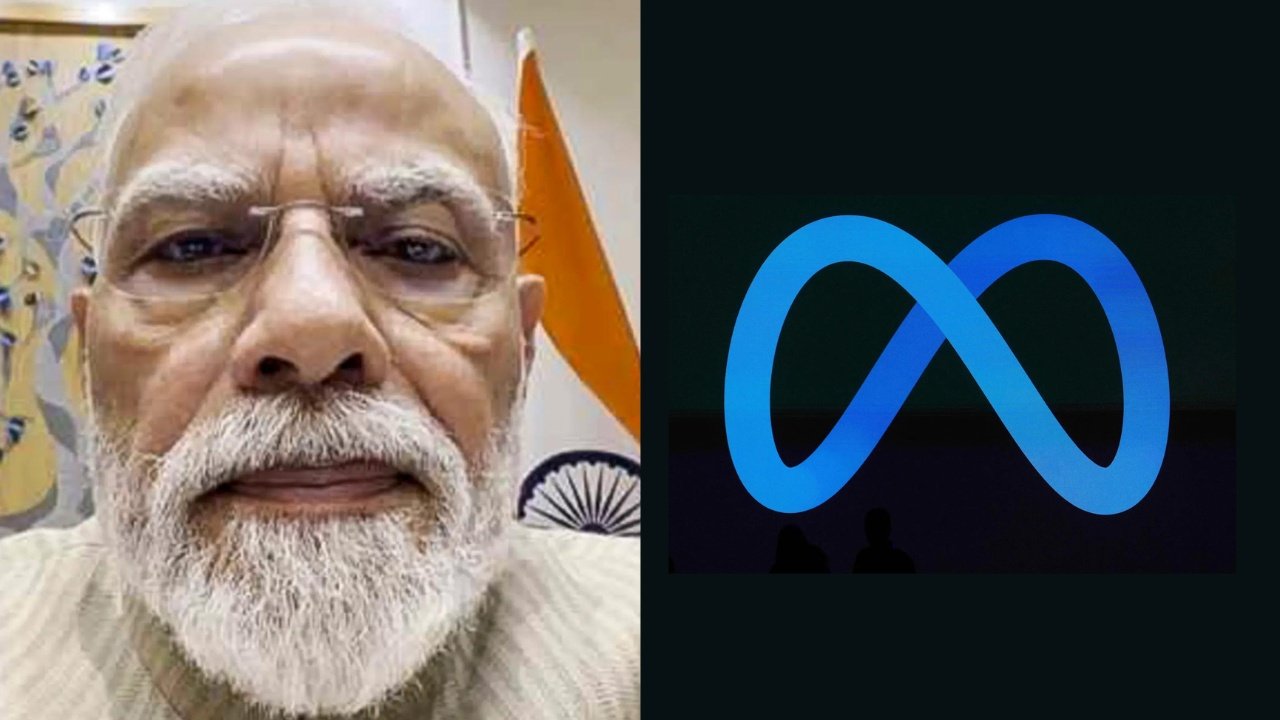
A Facebook Reel posted by Prime Minister Narendra Modi on July 23—addressing youth amid ongoing protests over the NEET-UG exam paper leak—briefly disappeared from his official page before being restored later that day. Meta subsequently issued an apology, labeling the takedown as an operational error.
In response, Ministry of Electronics and Information Technology (MeitY) Secretary S. Krishnan stated that senior Meta leadership was summoned to New Delhi to provide both a policy-level and technical explanation. Additionally, Meta indicated that it established new protocols as of July 28 for high-profile accounts to prevent similar incidents, though details remain undisclosed.
Meta’s VVIP Moderation: The “Cross-Check” System
Public insight into how Meta moderates heads of state and high-profile political figures stems primarily from three sources: Meta’s Transparency Centre, rulings by its independent Oversight Board, and the 2021 disclosures by whistleblower Frances Haugen.
Key Mechanics of Meta’s High-Profile Moderation
-
Cross-Check (Sensitive Entity Secondary Review): Originally designed to prevent accidental takedowns of prominent users, this system routes flagged content from politicians, ministries, and major influencers into a specialized human review queue rather than standard automated pipelines.
-
Scale & Parity: As of 2021, the system covered an estimated 5.8 million high-profile accounts globally. Meta aims for parity within nations—if one cabinet ministry is under the review queue, all ministries in that country share the same status.
-
Newsworthiness Allowance: Meta allows otherwise policy-violating content to stay live if the public-interest value outweighs potential harm. Between June 2022 and June 2023, 69 such allowances were granted globally, with 13% applying to posts by politicians.
-
Oversight Board Criticism: In December 2022, Meta’s Oversight Board cautioned that “cross-check” was often structured around business concerns rather than human rights obligations, frequently leaving questionable content online for extended periods during review.
How Other Major Platforms Handle High-Profile Accounts
Meta is not alone in creating tailored mechanisms for prominent political figures:
| Platform | Moderation Mechanism | How It Works |
| Meta | Cross-Check (Sensitive Entity Secondary Review) | Diverts content to human review teams and applies “newsworthiness allowances” where applicable. |
| X (Twitter) | Public Interest Exception | Allows rule-breaking posts from verified officials or candidates (>100k followers) to remain visible behind a notice. |
| YouTube | EDSA Exception | Retains otherwise non-compliant content if it holds Educational, Documentary, Scientific, or Artistic value. |
The Policy Dilemma in India
While high-profile escalation pathways are standard across major platforms, policy experts emphasize that the core issue lies in consistency and transparency. Questions remain regarding:
-
Eligibility Criteria: Who qualifies as a “prominent person”—only government officials, or opposition leaders, journalists, and public figures as well?
-
Standard Parity: Do these secondary reviews merely double-check accuracy before removal, or do they effectively create a lower enforcement standard for powerful figures?
-
Local Enforcement Transparency: Historical reports, such as The Wall Street Journal’s 2020 investigation into Meta’s local policy decisions, underscore long-standing questions about how global rules are applied contextually within India.
Meta’s upcoming discussions with MeitY are expected to shed light on whether its new protocols offer meaningful systemic transparency or simply add another layer to an already opaque moderation framework.
