

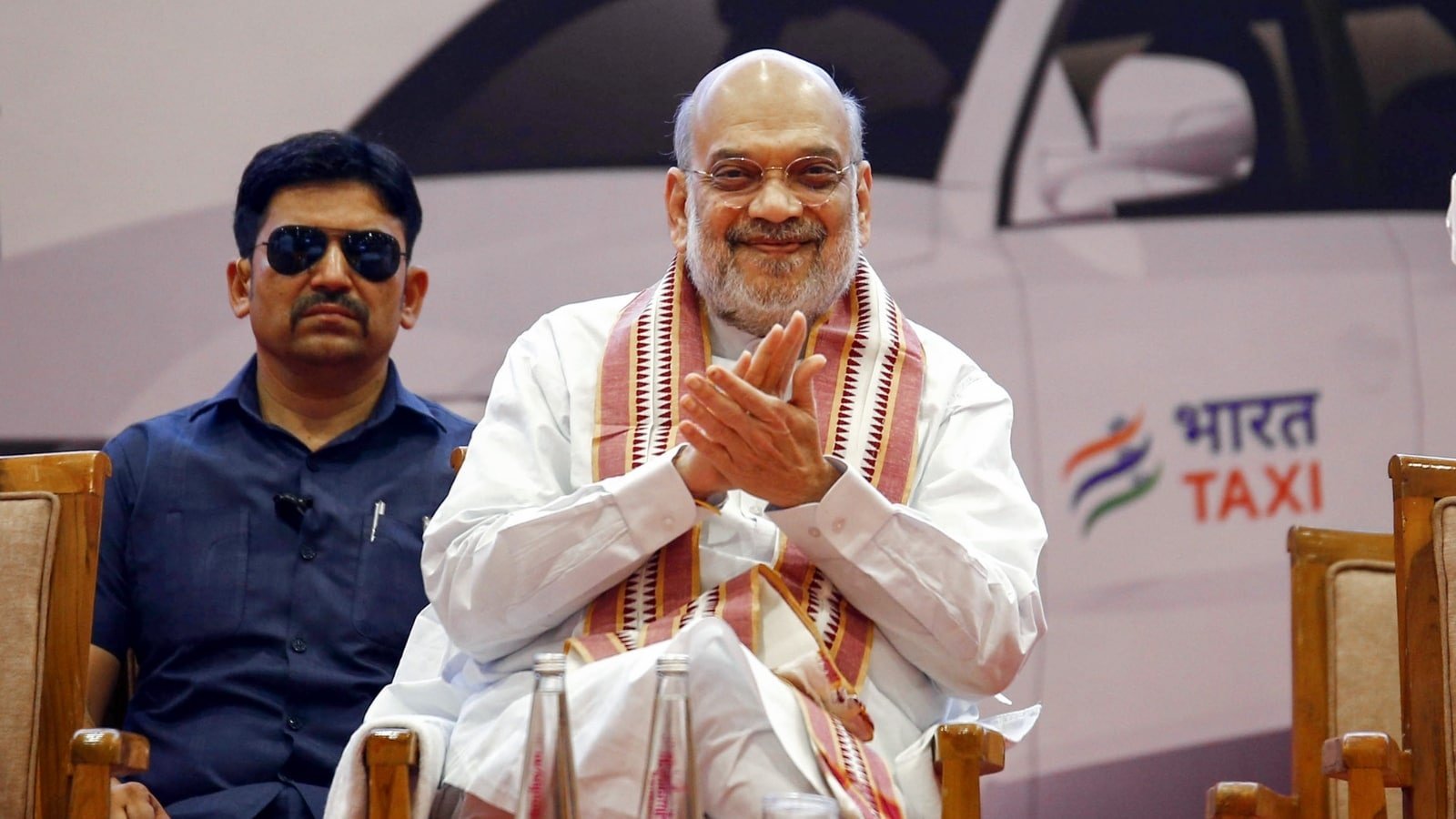
Union Home and Cooperation Minister Amit Shah officially launched Bharat Taxi, India’s first driver-owned, cooperative ride-hailing digital platform, in Gujarat at a ceremony in Gandhinagar. Grounded in Prime Minister Narendra Modi’s vision of “Sahkar se Samriddhi” (Prosperity through Cooperation), the platform marks a major shift in the country’s mobility market by introducing a “Saarthi Hi Maalik” (The Driver is the Owner) operational structure.
The service has rolled out immediately across 14 major cities in Gujarat—including Ahmedabad, Surat, Vadodara, Rajkot, and Jamnagar—with plans for a full statewide expansion within the month.
Key Structural Features of Bharat Taxi
Unlike established corporate aggregators, Bharat Taxi operates under a multi-state cooperative framework backed by eight major Indian cooperative institutions, including GCMMF (Amul), IFFCO, and NABARD.
-
Zero-Commission Architecture: The platform operates on a zero-commission model, meaning drivers retain the maximum share of the revenue generated from fares.
-
Driver Benefits: Moving beyond gig-worker status, the 7 lakh drivers registered nationally act as co-owners and shareholders. They are entitled to institutional loans, insurance coverage, pension structures, and government social security frameworks.
-
Consumer Protections: For passengers, the platform features a surge-free pricing model and a dedicated security integration system linked directly with the Gujarat Police. It supports two-wheelers, auto-rickshaws, and cabs.
Countering “Predatory” Corporate Monopolies
During his address, the Cooperation Minister took direct aim at private aggregators like Uber and Ola, accusing them of corporate dominance and systematically exploiting their workforce.
Shah alleged that corporate platforms historically deducted massive commissions, arbitrarily suspended registrations without offering drivers a right to reply, and used passenger complaints as a tool for workplace harassment.
[Private Apps Model] -> Heavy Commissions + Arbitrary Bans + Profit Hoarding
                                     VS.
[Bharat Taxi Model]  -> Zero-Commission + Shareholder Status + Social Security
Addressing reports regarding fare disparities at launch, Shah dismissed claims that the cooperative alternative was overpriced. Instead, he blamed corporate competitors for deploying predatory pricing strategies designed to undercut the new entrant.
On Predatory Pricing: “The pattern of lowering prices adopted by other apps is designed to bankrupt Bharat Taxi so that it leaves the market,” Shah stated. “For how long will you keep doing this? Neither will Bharat Taxi get tired, nor will it leave the battlefield. Bharat Taxi is here to stay, and it will certainly succeed.”
The Amul Parallel
Drawing historical comparisons to Gujarat’s dairy revolution, Shah reminded both consumers and operators that cooperative enterprises are fully capable of dominating spaces heavily crowded by corporate entities. He emphasized that the long-term viability of the network rests entirely on the mutual support between the Saarthis (drivers) and the public.
| Attribute | Private Aggregators | Bharat Taxi (Cooperative) |
| Driver Status | Independent Contractor | Shareholder / Co-owner |
| Platform Cut | Hefty Variable Commission | Zero-Commission Model |
| Pricing Strategy | Dynamic Surge Pricing | Fixed, Surge-free Rates |
| National Footprint | 37 Lakh+ Users (Soft Launch) | Target: 125 Cities by March 2027 |
