

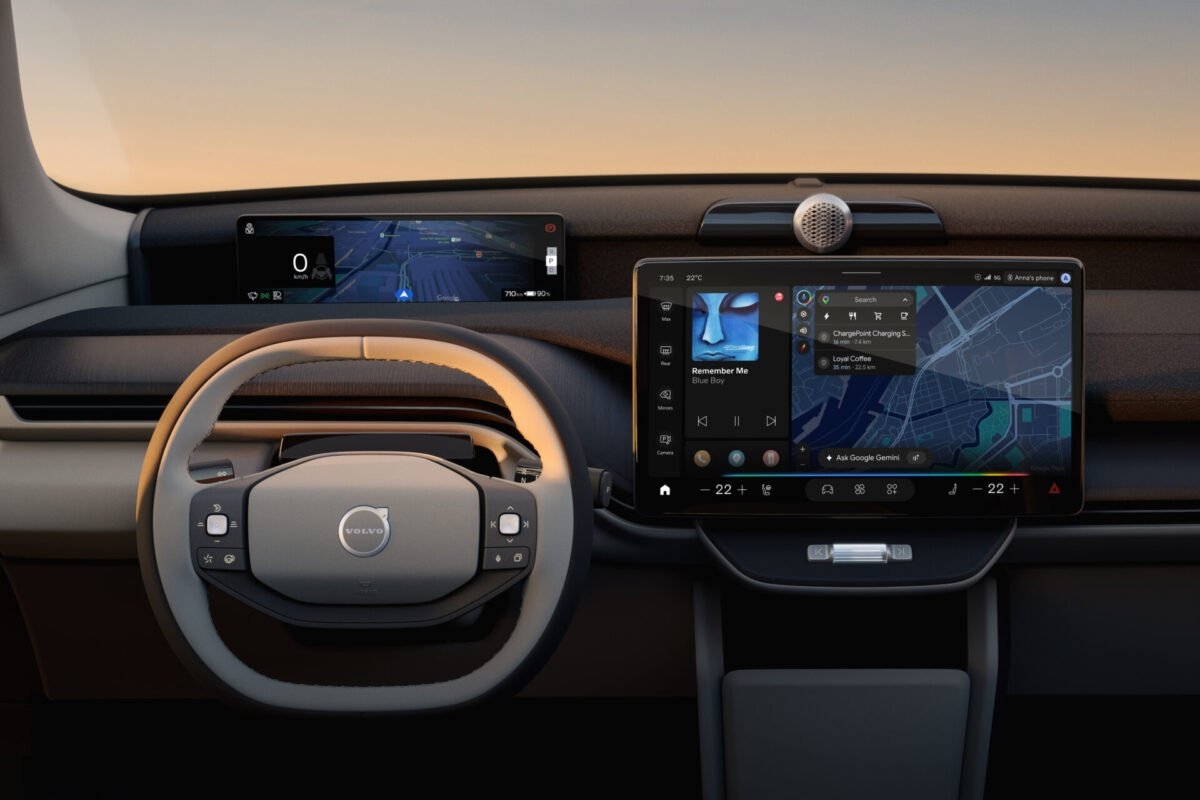
While the nation grapples with geopolitical tension and historic oil prices, Google is aiming to transform the daily commute. The tech giant officially began rolling out Gemini to vehicles with “Google built-in” today, May 1, 2026, marking a major shift from the traditional Google Assistant to a more conversational, integrated AI experience.
A Smarter, More Natural Co-Pilot
The update, delivered via over-the-air (OTA) updates to compatible vehicles, moves away from rigid voice commands in favor of natural language processing. Key features include:
-
Conversational Navigation: Drivers can ask for “scenic lunch spots” or check for traffic disruptions due to local events, with Gemini pulling real-time data from Google Maps.
-
Gemini Live (Beta): A free-flowing conversation mode allows drivers to brainstorm trip ideas or learn about destinations without repeatedly using “wake words.”
-
Message Management: The AI can now summarize long incoming texts and help draft or edit replies on the fly to minimize driver distraction.
Deeper Vehicle Integration
Unlike previous iterations, Gemini is deeply connected to the car’s specific hardware and technical manuals:
-
Virtual Mechanic: Gemini can answer car-specific questions, such as how to adjust trunk height or interpret dashboard warning lights, using manufacturer-provided data.
-
Intuitive Cabin Control: Instead of specific temperature commands, a driver can simply say, “I’m cold,” and the AI will adjust the climate control or turn on the defroster.
-
EV Optimization: For electric vehicle owners, the system provides real-time battery predictions for arrival times and suggests optimized charging stops along the route.
The Road Ahead
The rollout begins today in the United States for English-speaking users, with a global expansion to other languages and regions expected in the coming months.
Google’s vision is to turn the car into an extension of the user’s digital life. Future updates are expected to integrate more deeply with Gmail, Calendar, and Smart Home controls, allowing users to manage their lives entirely from the driver’s seat—an irony not lost on many as the national focus remains fixed on the “60-day clock” and the shifting landscape of global energy.
