

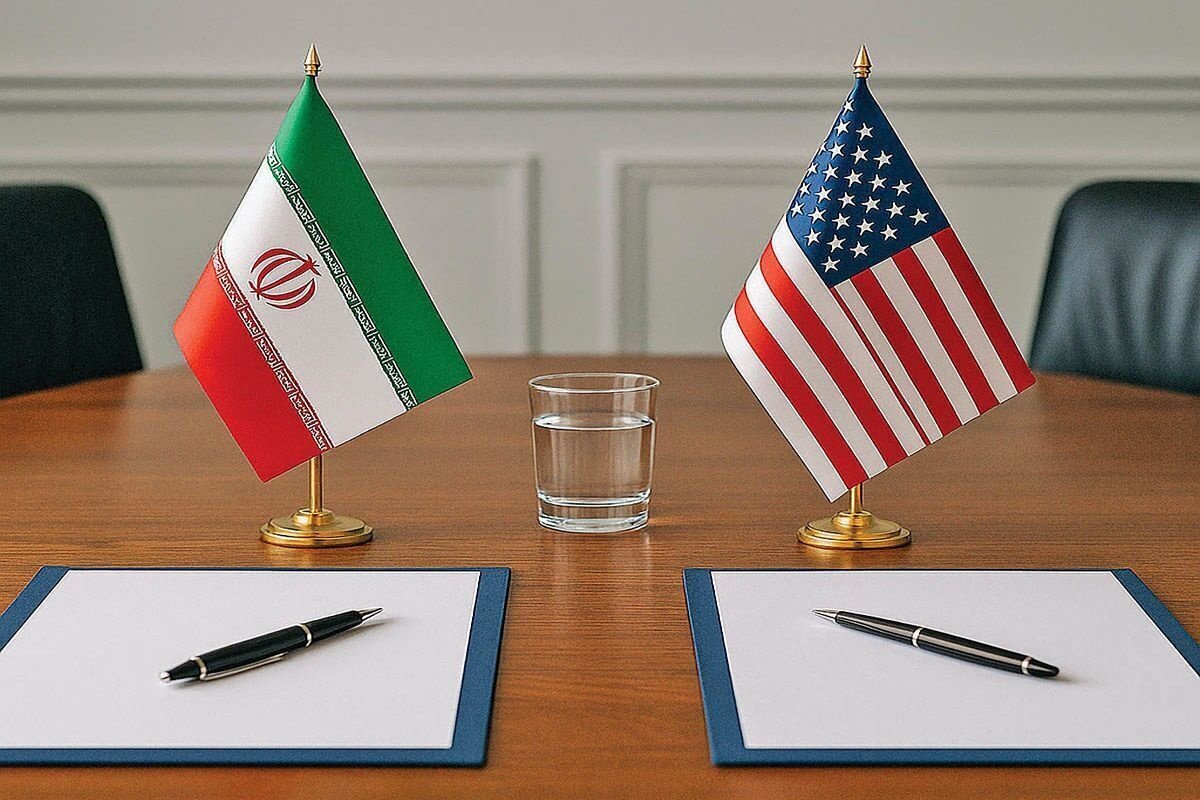
Despite active diplomacy involving regional mediators like Pakistan, Qatar, Saudi Arabia, and the UAE, the highly anticipated US-Iran peace deal has reached a complex logjam. While US President Donald Trump claims a memorandum of understanding (MoU) is “largely negotiated,” both Washington and Tehran admit they are simultaneously “very close and very far” from a final signature.
The primary friction points keeping the two nations deadlocked can be summarized across 10 critical structural disputes:
The 10 Sticking Points of the Negotiations
1. The Sovereignty of the Strait of Hormuz
The United States demands unrestricted, toll-free navigation through the Strait of Hormuz. Conversely, Iran refuses to yield jurisdiction over the narrow choke point, insisting that any commercial maritime traffic must remain under strict Iranian supervision and oversight.
2. The Nuclear Enrichment Standstill
The US and Israel demand that Iran completely halt uranium enrichment and hand over its existing stockpiles of highly enriched material. Tehran rejects this demand, stating it has made “no commitment” regarding its facilities and maintains that its nuclear ambitions are purely peaceful.
3. The Sequence of Sanctions Relief
Iran demands the immediate lifting of economic sanctions and the release of billions in frozen assets as a prerequisite to any deal. Washington counters that sanctions relief will only be granted sequentially after Iran complies with baseline conditions.
4. The Structural Limits of an MoU
The current draft is merely a framework or Memorandum of Understanding meant to secure a temporary 60-day ceasefire. Because the most contentious long-term issues are being delayed for future talks, neither side is willing to make major opening concessions.
5. Israel’s Strategic Opposition
Israeli Prime Minister Benjamin Netanyahu remains a vocal opponent of the current framework. Israel insists that any final agreement must fully dismantle Iran’s uranium enrichment infrastructure and physically remove nuclear material from Iranian soil—a hardline stance Tehran completely rejects.
6. The Regional Multi-Front Paradox
Iran wants the peace framework to guarantee an immediate end to regional hostilities, particularly in Lebanon. Israel, however, demands total freedom of movement to continue striking Hezbollah assets regardless of a localized US-Iran truce.
7. Deep-Rooted Historical Distrust
Tehran’s negotiators remain deeply skeptical of American diplomatic longevity. Iranian officials frequently point to Donald Trump’s decision to unilaterally withdraw from the 2015 JCPOA (Joint Comprehensive Plan of Action) during his first presidential term as proof that Washington cannot guarantee long-term treaty compliance.
8. The “Who Blinks First” Dilemma
A classic diplomatic stalemate handles the order of operations. Iran refuses to act until sanctions are removed, while the US insists that Iran must first lift its maritime restrictions and fulfill nuclear inspections before a single dollar is unfrozen.
9. Residual Wartime Damage and Logistics
The physical realities of the Gulf war present severe operational delays. Months of sea-mining, drone strikes on commercial tankers, and the ongoing US naval blockade of Iranian ports have made immediate de-escalation a logistical nightmare. The International Energy Agency (IEA) estimates it will take weeks to safely clear the waters and months to normalize shipping.
10. Domestically Driven Political Pressures
Both administrations are facing intense political pushback back home. Hardliners in Washington accuse the Trump administration of rushing into a weak deal, while conservative factions within Tehran view any compromise on sovereign waterways or nuclear capabilities as an unacceptable surrender.
The Two Biggest Stumbling Blocks: Hormuz and the Nuclear Cache
"The naval blockade will remain in full force and effect until an agreement is reached, certified, and signed."
— US President Donald Trump
| Core Dispute | The US / Allied Position | The Iranian Position |
| The Strait of Hormuz | Demands free, unhindered transit. Asserts the blockade stands until a formal treaty is fully signed. | Demands an immediate end to the blockade. Asserts ownership and intends to levy transit fees or monitoring protocols. |
| The Nuclear Inventory | Insists Iran must never possess a nuclear weapon, citing concerns over Iran’s estimated 440+ kg of uranium enriched to 60%. | Asserts that nuclear status is entirely separate from this phase of ceasefire talks and refuses to shutter facilities. |
While regional experts note that the current willingness to negotiate marks a historic shift—one that could potentially evolve into an agreement broader than the 2015 Obama-era deal—the immediate reality remains frozen. Until one side blinks on the sequence of sanctions relief versus maritime access, the global energy market will have to endure continued volatility.
