

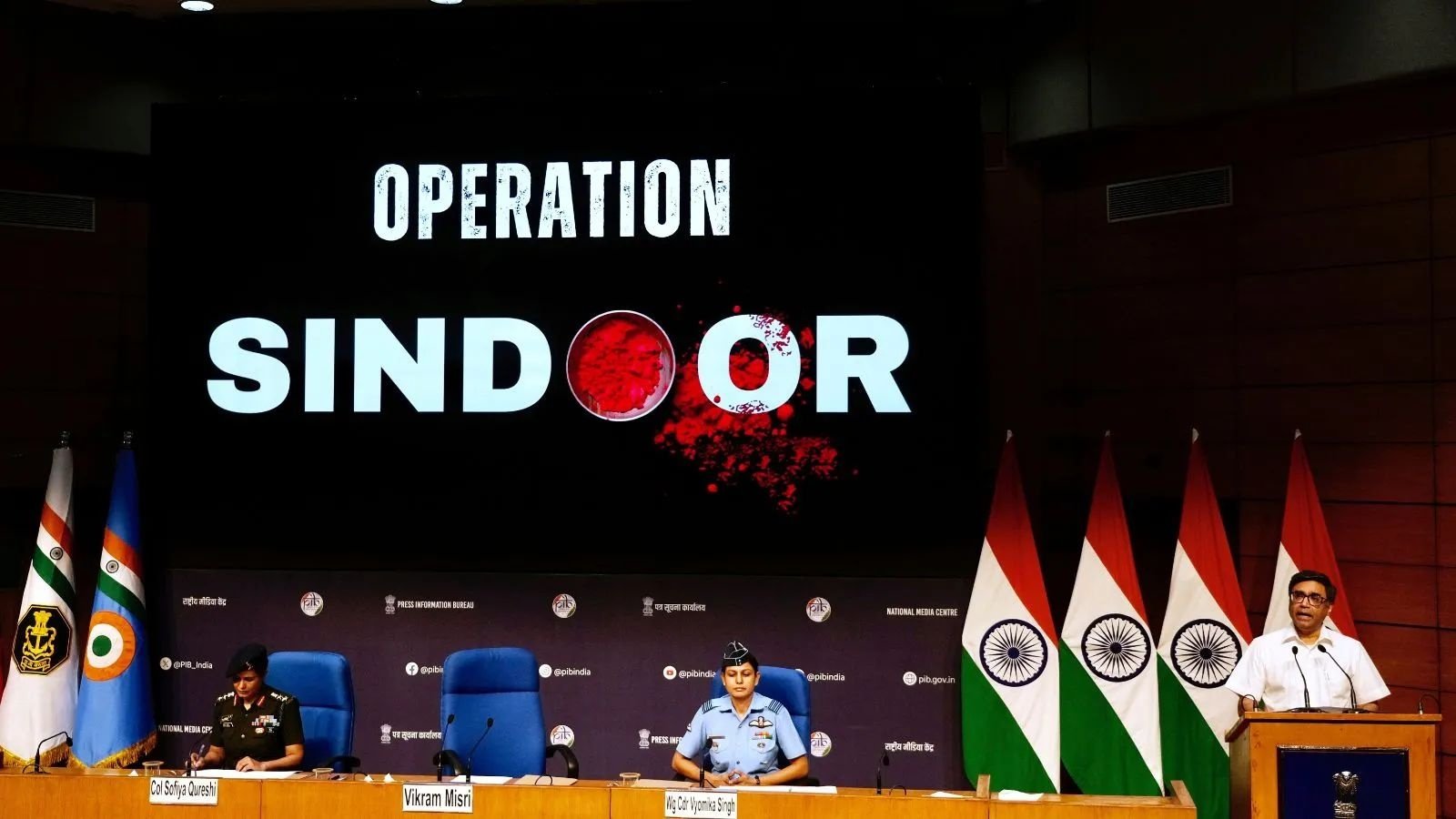
One year after the historic 88-hour military campaign known as Operation Sindoor, the geopolitical landscape has shifted dramatically. While the original operation was defined by its brevity and diplomatic precision, experts suggest that a sequel would face a far more volatile environment characterized by “no-rules” warfare and shifting global alliances.
Why Operation Sindoor Was Unique
The original operation remains a benchmark in modern military doctrine for three specific reasons:
-
Time Control: It lasted exactly 88 hours, concluding on India’s terms.
-
Diplomatic Off-Ramps: India paused operations at critical stages, allowing Pakistan the opportunity to de-escalate without losing face.
-
Operational Restraint: The political leadership maintained a tight grip, ensuring punishment was delivered while strictly remaining below the nuclear threshold and avoiding a border crossing.
The Evolving Threat Landscape
The “milieu” for a potential second round has become significantly more complex due to several emerging factors:
1. Diffused Terrorism & Regional Instability
-
Multiple Fronts: Terrorist sponsorship has become more diffused, with modules now appearing via Bangladesh and Nepal, making “proof” of Pakistani state involvement harder to verify.
-
New Leadership: The rise of Prime Minister Tarique Rehman in Bangladesh and an “anti-India” stance in Nepal have created a challenging neighborhood for intelligence collaboration.
2. The China-Pakistan “Constellation”
-
Advanced Hardware: Pakistan’s arms imports have jumped 66%, with China providing 80% of that hardware, including the fast-tracked J-35 stealth fighters.
-
Space & Surveillance: China is now providing Pakistan with hyperspectral satellite imagery and space assets, allowing for precision monitoring of Indian movements in the South and Northeast.
-
The Strategic Rocket Force: Pakistan’s newly formed conventional rocket wing suggests that missile and drone warfare will be the “norm” in the next conflict.
3. The “Trump Factor” & Global Mediation
-
US Stance: Unlike the previous cautious diplomatic engagement, a second conflict might see a more public “mediation” effort from President Trump and his “Board of Peace,” potentially prioritizing a public relations victory over the root causes of the conflict.
-
Desensitization: The world has become increasingly desensitized to war casualties due to ongoing global conflicts, meaning the original terrorist provocation might be ignored by the international community.
Strategic Takeaways for India
To navigate a potential “Round 2,” India’s strategy may need to pivot:
-
Covert Focus: A shift toward strong covert operations to negate terrorist threats before they escalate into conventional war.
-
Intelligence Transparency: Shedding “intelligence inhibitions” to bring neighbors like those in the Colombo Dialogue on board.
-
Managing Expectations: Communicating to the public that while Pakistan can be punished, the idea of “finishing off” a nuclear-armed neighbor is not a realistic military objective.
“Warfare and international relations have changed beyond recognition in the last year. The key for the next round may be flexibility and learning hard lessons on what the world is like now.”
