

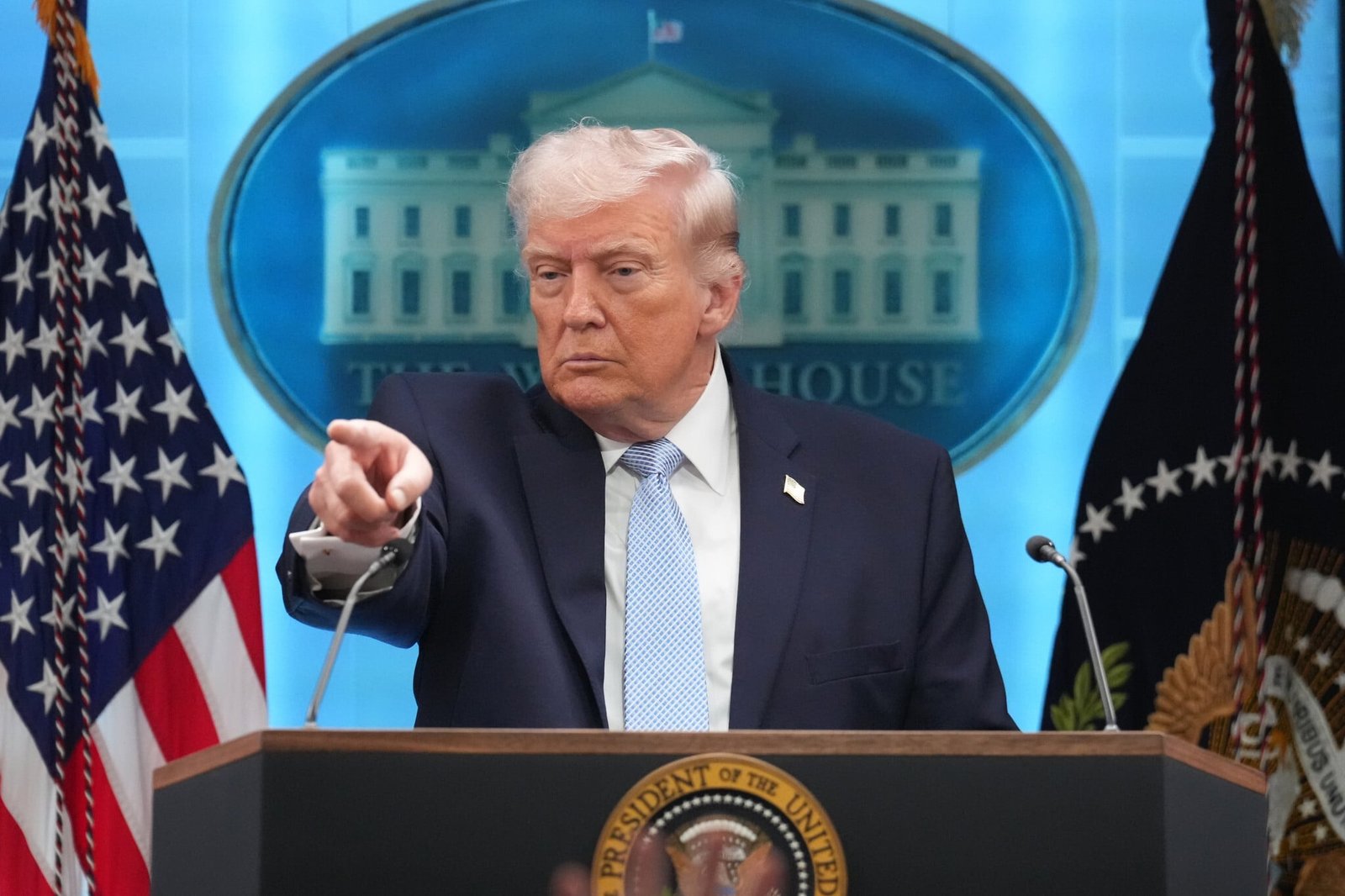
In a major escalation of the ongoing conflict between Israel and Iran, U.S. President Donald Trump has announced “Project Freedom.” The initiative aims to provide military escorts and security for commercial vessels stranded in or around the Strait of Hormuz, a vital artery for global oil supplies.
The announcement comes following a series of maritime skirmishes, with the latest involving a bulk carrier attacked by small craft off the coast of Sirik, Iran.
Key Developments in the Conflict
1. Iran’s Warning on Ceasefire
Tehran has reacted sharply to the U.S. move. Ebrahim Azizi, head of the Iranian Parliament’s National Security Commission, declared that any U.S. military intervention in the Strait would be considered a direct breach of the current ceasefire. The Revolutionary Guards further stated that Washington is trapped between an “impossible” military operation and a “bad deal.”
2. Diplomatic Stagnation
Despite a “14-point proposal” sent by Iran through Pakistan, a permanent resolution remains elusive:
-
Trump’s Stance: The President expressed skepticism regarding the new proposal, stating he is “not satisfied” with the terms.
-
Nuclear Silence: An Iranian Foreign Ministry spokesperson confirmed that nuclear negotiations are currently off the table.
3. Maritime Risks
The security situation in the Gulf remains critical:
-
Two Dozen Attacks: Since the war began, at least 24 attacks on vessels have been recorded in the region.
-
Transit Caution: The UK Maritime Trade Operations (UKMTO) has advised all vessels to transit with extreme caution following the latest attack near Sirik.
Energy Market Impact
The instability has sent shockwaves through the global energy sector, leading to immediate shifts in production strategy:
| Country/Group | Action Taken | Target Date |
| OPEC+ (Saudi, Russia, etc.) | Increased quota by 188,000 barrels/day | June 2026 |
| United Arab Emirates (UAE) | Exit from OPEC+ | Effective May 2026 |
The UAE’s sudden departure from OPEC+ marks a significant fracture in the oil-producing bloc, potentially complicating global efforts to stabilize prices as the Strait of Hormuz remains a high-risk zone.
Project Freedom: The Objectives
-
Escort Services: Deploying U.S. naval assets to protect oil tankers from small-craft harassment.
-
Supply Chain Security: Ensuring the flow of energy to international markets despite the regional blockade.
-
Deterrence: Countering Iranian Revolutionary Guard activity in international waters.
