

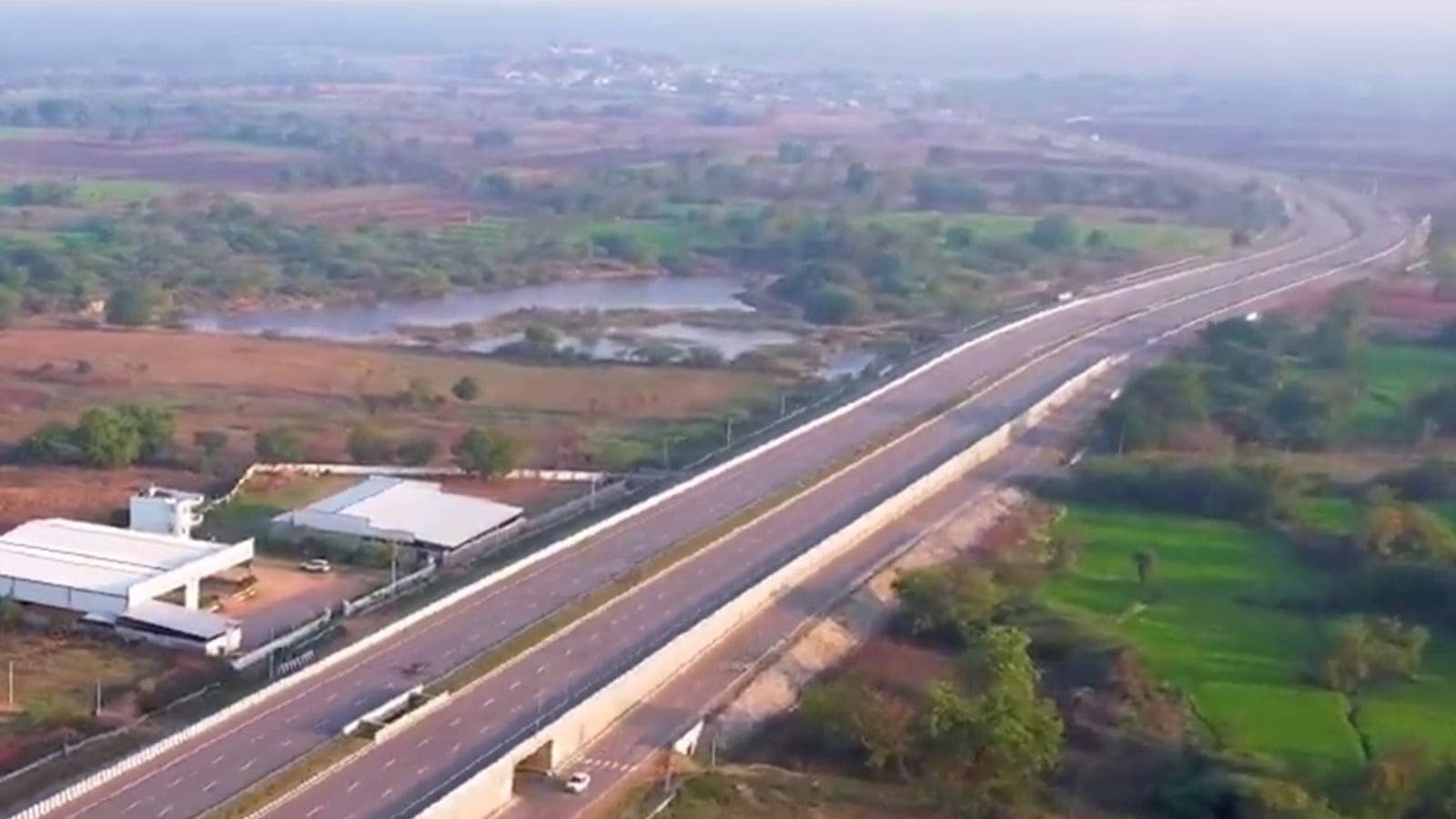
India is preparing for a significant shift in highway travel. Union Minister for Road Transport and Highways, Nitin Gadkari, announced at the Logistics Shakti Summit 2026 that barrier-free tolling will be implemented on select national highways by December 2026. This initiative aims to modernize infrastructure, slash logistics costs, and eliminate the frustration of toll plaza congestion.
Understanding Barrier-Free Tolling
This new era of travel utilizes Multi-Lane Free Flow (MLFF) technology. Unlike the traditional toll booths that require vehicles to stop or slow down, barrier-free systems use overhead gantries equipped with sophisticated digital sensors. These frames identify vehicles as they pass through at speeds of up to 80 kmph, allowing for a completely seamless transition.
The Power of AI and FASTag
The system relies on a dual-verification process to ensure every vehicle is accurately accounted for:
-
ANPR Cameras: Automatic Number Plate Recognition cameras use AI to read vehicle license plates instantly.
-
RFID Readers: These scanners detect FASTag stickers to deduct toll amounts directly from linked bank accounts.
-
Redundancy: If a FASTag is missing or inactive, the AI cameras provide a backup by identifying the vehicle via its plate, ensuring the toll is still collected through the VAHAN database.
Key Benefits for Commuters
-
Reduced Travel Time: Eliminates idling and long queues, ensuring a faster journey.
-
Fuel Efficiency: By maintaining constant speeds, drivers avoid the fuel waste associated with stop-and-go traffic at toll booths.
-
Seamless Flow: No physical barriers or human interaction required, creating a “stop-free” highway experience.
Enforcement and Economic Growth
To ensure the system remains sustainable, the government is implementing a strict digital enforcement mechanism. Non-payment will trigger e-notices, and persistent offenders face FASTag suspension and penalties linked to their vehicle records.
The economic implications are massive:
-
Revenue Efficiency: The government expects to save up to ₹8,000 crore annually by plugging revenue leakages.
-
Logistics Costs: Improved efficiency has already helped lower India’s logistics costs from 16% to 10% of GDP, with the goal of reaching global benchmarks through these technological upgrades.
