

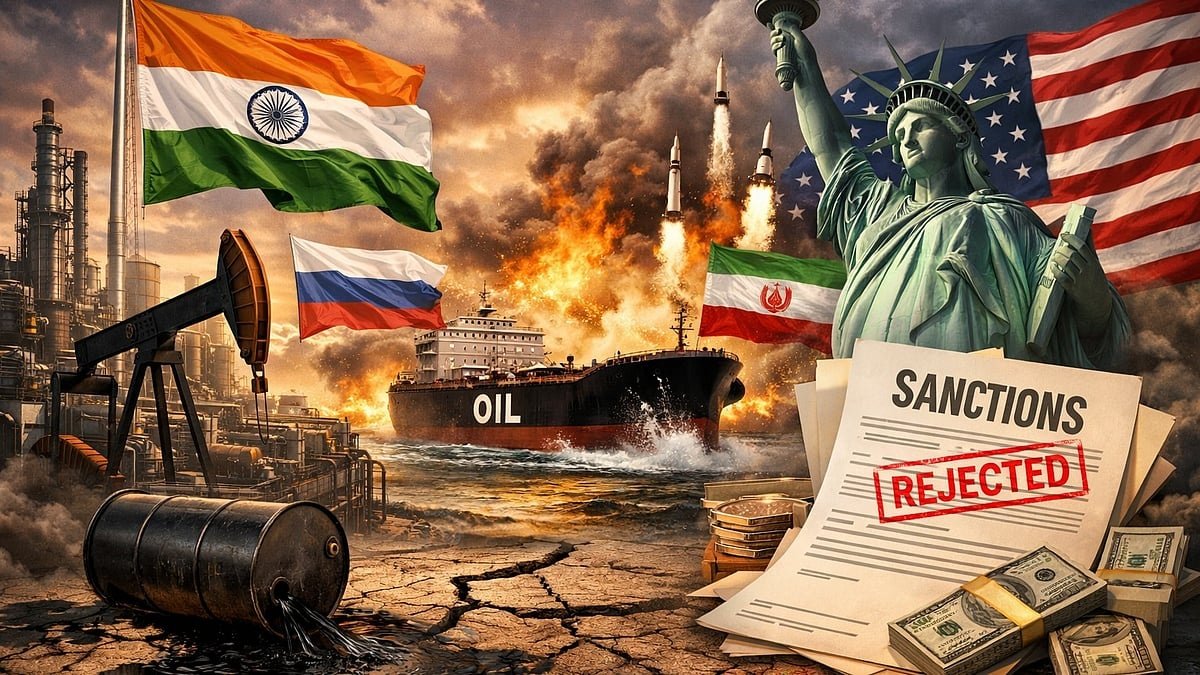
The energy landscape has seen a dramatic shift as Washington issued a surprising sanctions waiver extension for Russian oil. Despite earlier firm statements from Treasury Secretary Scott Bessent that no relief was coming, the US has pushed the deadline for “oil at sea” transactions to May 16, 2026.
This “U-turn” is a direct response to the market volatility caused by the ongoing US-Israel war with Iran, which has seen the strategic Strait of Hormuz effectively blocked, sending global crude prices to their highest levels in over a decade.
Why the US Changed Its Mind
The extension of the General License reflects a desperate need to stabilize a chaotic energy market.
-
Price Control: With Brent crude surging toward $120 per barrel, the US is prioritizing supply volume over strict isolation of Moscow.
-
The Iran Factor: The war in the Middle East has disrupted up to 20% of global oil supplies. By allowing Russian oil already loaded on tankers to reach its destination, the US hopes to prevent a total price meltdown.
-
Domestic Pressure: Rising gasoline prices in the US are creating political friction ahead of the 2026 midterm elections.
Impact on India: A Strategic Relief
India, which relies on imports for nearly 90% of its crude, is the primary beneficiary of this geopolitical maneuvering.
-
Supply Security: About 40% of India’s oil typically passes through the Strait of Hormuz. With that route compromised, the Russian “bridge” is essential to prevent domestic shortages.
-
March Import Surge: India’s imports from Russia tripled in March 2026, reaching €5.3 billion. State-run refiners (like Mangalore and Visakhapatnam) led the charge with a 148% increase in purchases.
-
Global Standing: India is now the second-largest buyer of Russian oil (38% share), trailing only China (51%).
The Cost of Stability
While the waiver ensures the taps stay open, the “cheap oil” era is fading.
| Metric | Detail |
| Price Benchmark | Urals crude averaged $94.50 in March (well above the $44 price cap). |
| New Deadline | Sanctions waiver extended to May 16, 2026. |
| Import Bill | Tripled to €5.3B in March due to volume doubling and price hikes. |
| Hormuz Impact | Ships are currently waiting days to pass the strategic chokepoint. |
Bottom Line: The US is temporarily tolerating Russian energy profits to avoid a global economic collapse triggered by the Iran conflict. For India, this provides a vital one-month cushion to secure its energy needs while the Middle East remains a flashpoint.
