

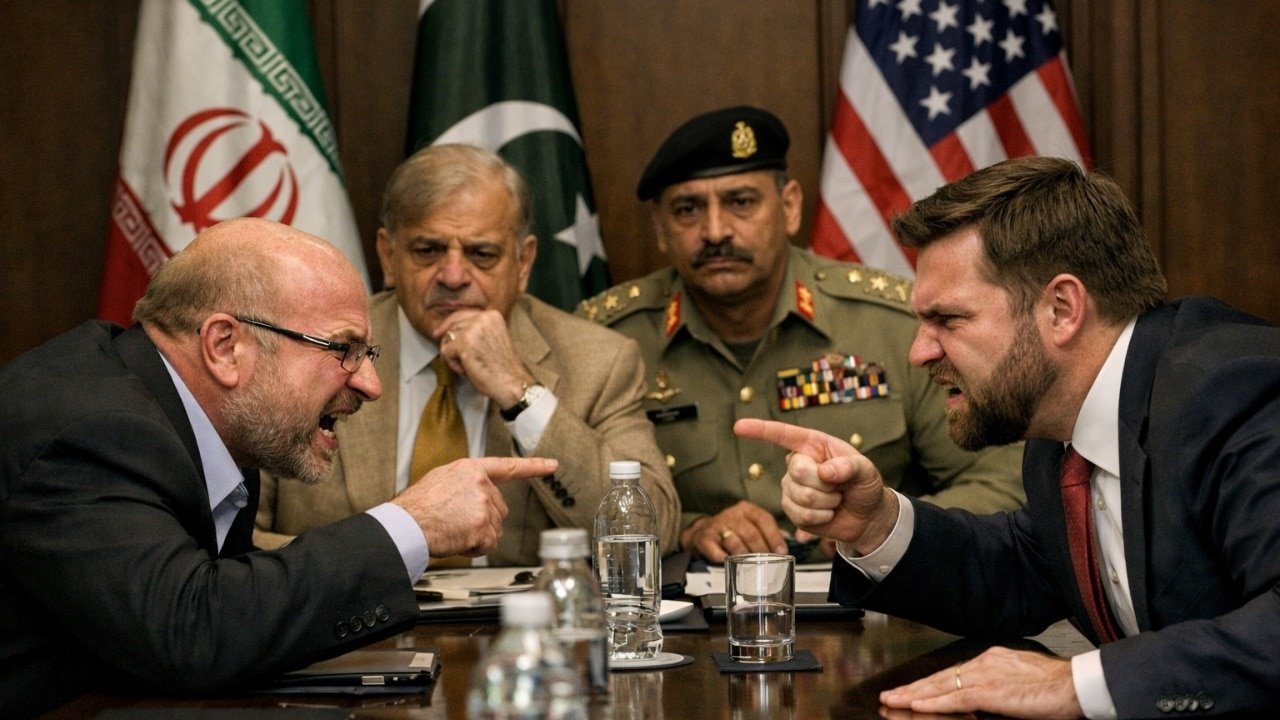
The high-stakes, direct negotiations between the United States and Iran in Islamabad have ended without an agreement after 21 hours of intensive discussion. This meeting marked the highest-level direct contact between the two nations since the 1979 Islamic Revolution, yet both sides remain far apart on key “red lines.”
The Core Conflict: Why Talks Failed
Both delegations have pointed fingers at the other for the deadlock, citing fundamentally different objectives:
-
The U.S. Position: Led by Vice President JD Vance, the American team demanded an “affirmative commitment” that Iran would cease seeking nuclear weapons or the tools to build them. Vance characterized the U.S. proposal as a “final and best offer,” suggesting the failure to sign is a greater strategic loss for Tehran than for Washington.
-
The Iranian Position: Tehran blamed “unreasonable demands” from the U.S. side. According to Iranian state media, the U.S. sought concessions regarding the Strait of Hormuz and the removal of nuclear materials—concessions Iran views as a violation of national interest.
Key Stakeholders & Logistics
The talks were notable for their direct nature, bypassing the traditional use of third-party mediators.
| Delegation | Key Representatives |
| United States | VP JD Vance, Special Envoy Steve Witkoff, Jared Kushner |
| Iran | Speaker Mohammad Baqer Qalibaf, FM Seyed Abbas Araghchi |
| Host/Mediator | Pakistani Officials |
Context: A Region at War
The negotiations took place against the backdrop of a devastating conflict that escalated sharply earlier this year:
-
February 28, 2026: Conflict erupted following U.S. and Israeli strikes that killed senior Iranian leadership, including Supreme Leader Ali Khamenei.
-
Escalation: Iran retaliated against Israel and U.S. bases in the Gulf, leading to thousands of casualties across the region.
-
The Ceasefire: A two-week ceasefire was initiated by President Donald Trump this past Tuesday to allow for these talks.
Current Status
While the session ended in a deadlock, Iran’s foreign ministry indicated that regional diplomatic contacts—particularly with Pakistan—will continue. However, the failure to reach a formal agreement during the ceasefire window leaves the security of the Strait of Hormuz and the broader Middle East in a precarious state.
