

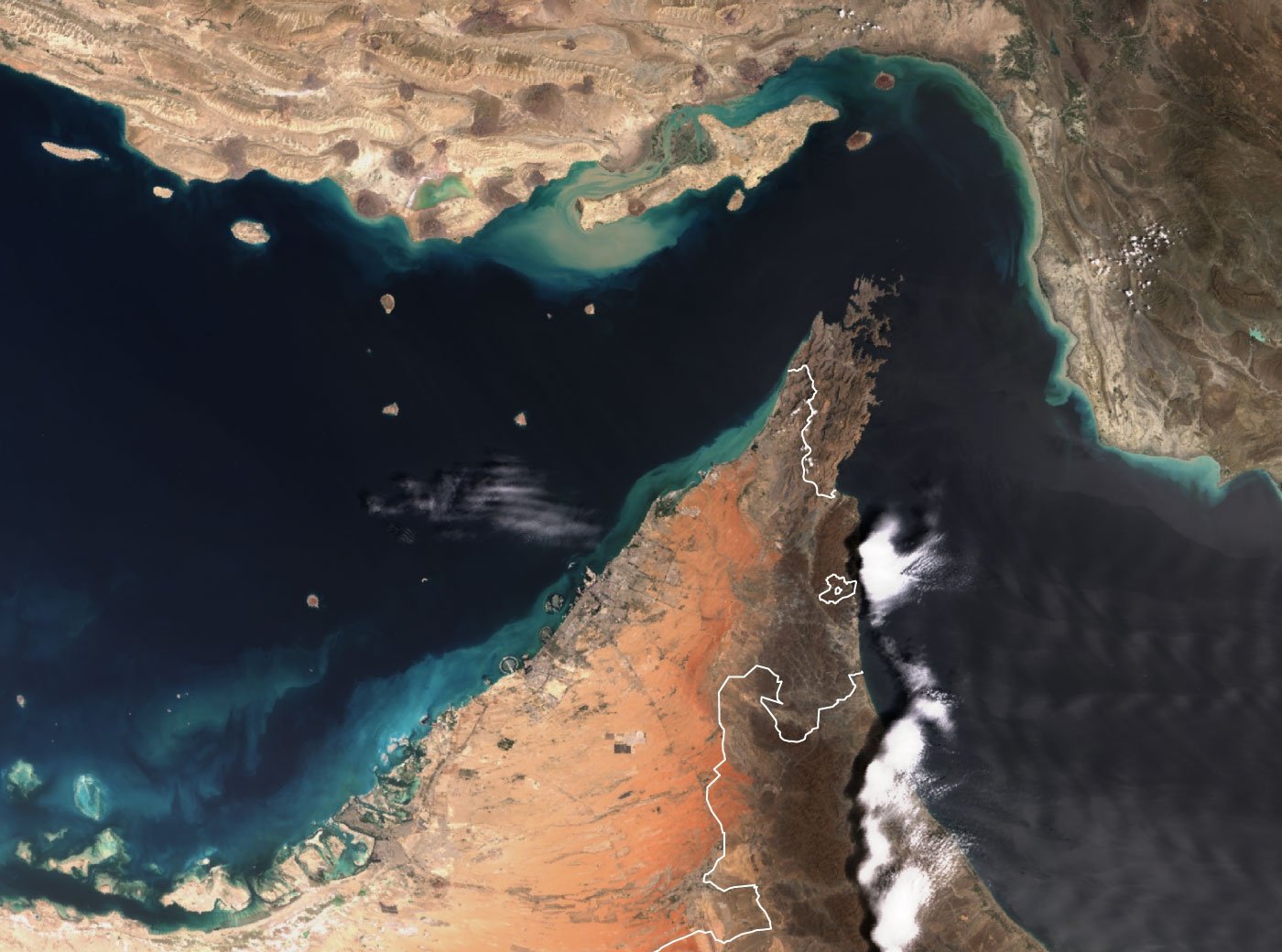
In a day of high-stakes military maneuvers and conflicting reports, two US Navy guided-missile destroyers successfully transited the Strait of Hormuz on Saturday, April 11, 2026. This operation marks the first time American warships have defied the Iranian blockade since the conflict began on February 28.
The transit occurred without coordination with Tehran, even as Vice President JD Vance led a US delegation in trilateral peace talks with Iranian and Pakistani officials in Islamabad.
Key Events of April 11, 2026
1. The Naval Transit
Despite a fragile two-week ceasefire, the US Navy moved to challenge Iran’s control of the strategic waterway.
-
The “30-Minute Warning”: Earlier in the day, reports surfaced that a US destroyer approaching from the Fujairah Port (UAE) made a U-turn after Iran warned it would be targeted within 30 minutes.
-
The Breakthrough: Shortly after, The Wall Street Journal and Axios confirmed that two guided-missile destroyers successfully completed the transit without incident.
2. Trump’s “Clearing Out” Declaration
From the White House, President Donald Trump issued a series of aggressive statements on Truth Social, framing the naval move as a global service.
-
Geopolitical “Favor”: Trump claimed the US was “clearing out” the strait as a favor to nations like China, Japan, and France, whom he criticized for lacking the “will” to do it themselves.
-
Claims of Dominance: He asserted that Iran’s Navy, Air Force, and radar systems have been “obliterated” and that all 28 of Iran’s mine-laying boats have been sunk.
-
Sea Mine Threat: While claiming victory, Trump acknowledged the persistent threat of Iranian sea mines, stating the US military is bringing in specialized equipment to remove them.
3. Peace Talks in Islamabad
The military escalation provided a tense backdrop to the diplomatic efforts in Pakistan.
-
Trilateral Meeting: VP JD Vance, Jared Kushner, and Steve Witkoff met with Pakistani PM Shehbaz Sharif and Iranian delegates.
-
Friction in Washington: Observers noted a apparent disconnect between the White House’s bellicose rhetoric and the Vice President’s diplomatic mission.
-
Iran’s Red Lines: Iranian negotiators have reportedly demanded the unfreezing of assets and a truce in Lebanon as prerequisites for direct, face-to-face negotiations with the US.
Strategic Context: The Strait of Hormuz
The Strait remains the world’s most critical oil chokepoint, with roughly 20% of global crude passing through it.
-
The Blockade: Iran has effectively closed the strait since March 2, 2026, using missiles, drones, and sea mines to halt traffic.
-
The Ceasefire: The current talks in Islamabad were made possible by a two-week truce negotiated last Wednesday, which is now being tested by the US naval presence in the waterway.
Current Status: As of late Saturday night, Iran has not issued an official military response to the successful transit, though state media continues to highlight the earlier “U-turn” incident as a sign of Iranian deterrence.
