

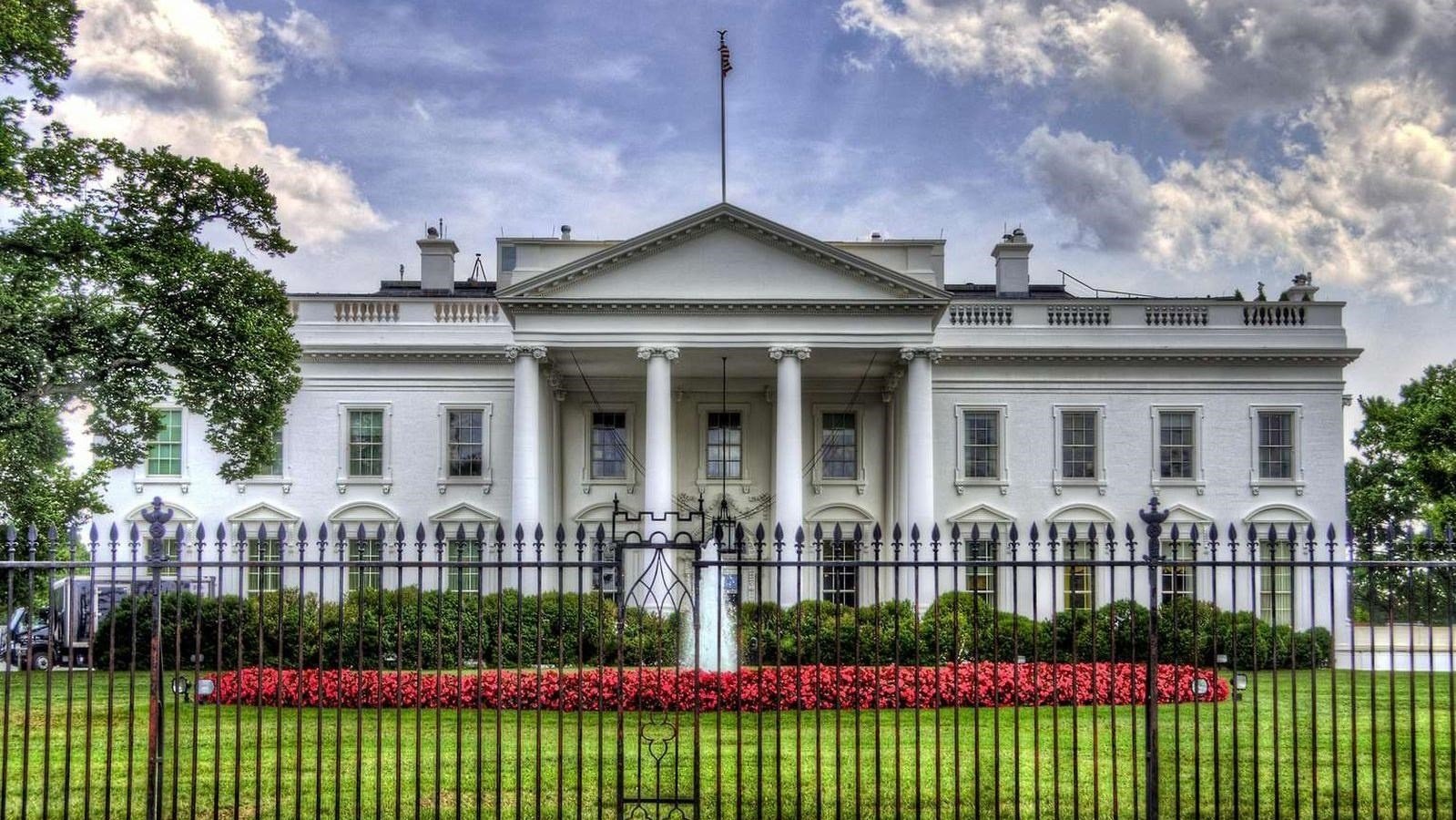
Since the outbreak of the U.S.-Iran conflict on February 28, 2026, a series of “uncannily timed” trades has rocked financial and prediction markets. The White House, after initially dismissing concerns, has issued a formal internal warning to staff following evidence of massive profits tied to classified military and diplomatic moves.
The “Perfect” Trades: A Timeline of Suspicion
Data from traditional markets and blockchain-based platforms like Polymarket show significant activity occurring minutes before major public announcements.
-
February 28 – The Iran Strike: Hours before the first strikes, over 150 new accounts placed high-stakes bets on the exact date of the military intervention, netting an estimated $1.2 million.
-
March 23 – The Oil “Flash” Move: At approximately 6:49 AM ET, nearly $760 million in oil futures (Brent and WTI) changed hands. Just 15 minutes later, at 7:05 AM, President Trump posted on Truth Social announcing a pause in planned strikes on Iranian power plants. Oil prices plummeted, handing the early traders a massive windfall.
-
Early April – Ceasefire Bets: New wallets created on the morning of April 7 placed substantial “Yes” bets on a ceasefire. When a two-week truce was announced later that evening, one wallet turned a $72,000 stake into a $200,000 profit in hours.
White House Response: From Denial to “Strict Warning”
The administration’s stance has shifted as the frequency of these “market-moving leaks” increased.
| Phase | Administration Stance | Key Action |
| Early March | Denial | Spokesperson Kush Desai labeled reports of insider trading as “baseless and irresponsible.” |
| March 24 | Internal Caution | The White House Management Office sent a staff-wide email warning that using nonpublic info for wagers is a criminal offense. |
| April 10 | Policy Enforcement | Officials reminded staff that government ethics regulations strictly prohibit the use of nonpublic information for “private benefit.” |
Why This Matters: Market Integrity vs. Treason
The scale of these trades has drawn bipartisan fire. Lawmakers and economists, including Paul Krugman, have raised concerns that these trades do more than just rig the market—they act as unintentional signals of U.S. military intentions, potentially creating a national security risk.
“We have another word for situations in which people with access to confidential information regarding national security—such as plans to bomb or not to bomb—exploit that information for profit. That word is treason.” — Paul Krugman, Economist.
What’s Next?
The SEC and CFTC are facing mounting pressure to launch formal investigations. Additionally, new legislation is being proposed to broaden the legal definition of “insider trading” to explicitly include decentralized prediction markets, which currently operate in a regulatory gray area.
The White House continues to maintain that President Trump is “ethically sound,” but the “breeding ground for corruption” in the futures and prediction markets remains under a heavy spotlight.
