

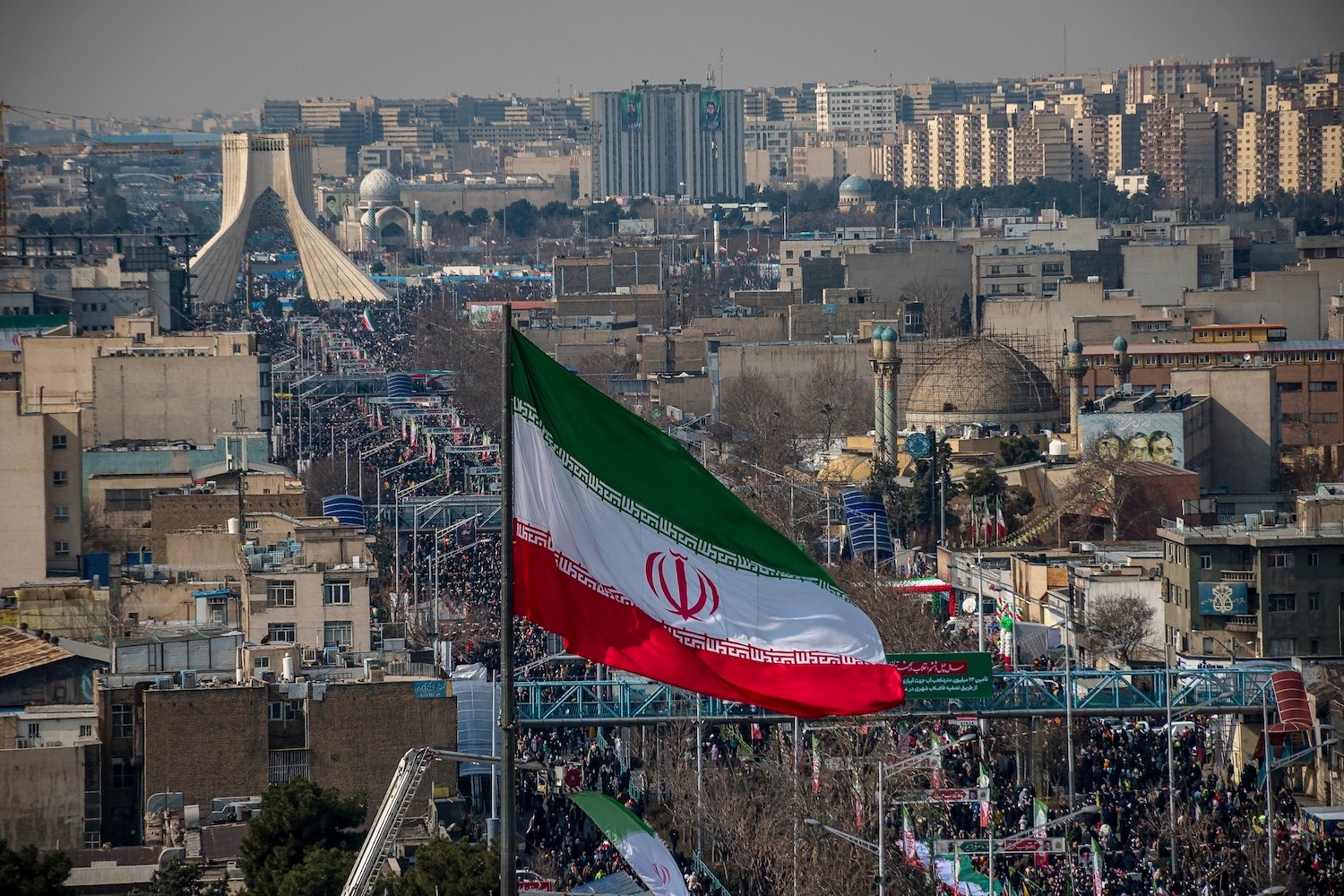
Moscow | April 02, 2026 — As the conflict involving the U.S., Israel, and Iran shows no signs of abating, the Kremlin has officially offered to act as a mediator. Russian President Vladimir Putin expressed readiness to “help restore peace in the region,” with spokesperson Dmitry Peskov confirming that Moscow is in active contact with regional leaders to transition the military situation to a “peaceful course.”
Iran’s 4 Conditions for Peace
Following the rejection of a “15-point peace plan” from the U.S., which Tehran labeled “excessive,” the Iranian envoy to Russia, Kazem Jalali, outlined four non-negotiable requirements for a ceasefire:
-
Cessation of Hostilities: A definitive and complete end to all military aggression and “terrorist attacks.”
-
Credible Guarantees: Objective assurances to prevent any future resumption of war or aggression.
-
Reparations: Full compensation for both material and moral damages incurred during the conflict.
-
Maritime Sovereignty: Recognition of Iran’s legal jurisdiction over the Strait of Hormuz to ensure international maritime security.
The envoy emphasized that any lasting ceasefire must “consider the realities on the ground” and fulfill these specific legal and political requirements.
Geopolitical Allegations: The “Satellite” Factor
While Russia positions itself as a neutral mediator, tensions with the West remain high due to intelligence reports:
-
U.S. Claims: Intelligence officials have alleged that Russia is providing Iran with satellite imagery and drone technology to pinpoint American bases in the Gulf.
-
U.S. Defense Stance: Defense Secretary Pete Hegseth recently hinted at the involvement of both Russia and China, stating the U.S. is “aware of what they are and are not doing.”
-
The Kremlin’s Denial: Moscow has dismissed these reports as “fake news,” maintaining that its involvement is strictly diplomatic.
The “Strait” Dilemma
The demand regarding the Strait of Hormuz remains the most significant hurdle. While Iran seeks recognized jurisdiction, President Trump recently stated on Truth Social that a ceasefire would only be considered once the Strait is “open, free, and clear” of Iranian restrictions.
With Russia now entering the diplomatic fray, the focus shifts to whether Moscow can bridge the massive trust gap between Tehran and Washington, particularly as global energy prices continue to fluctuate based on the security of the Hormuz shipping lanes.
