

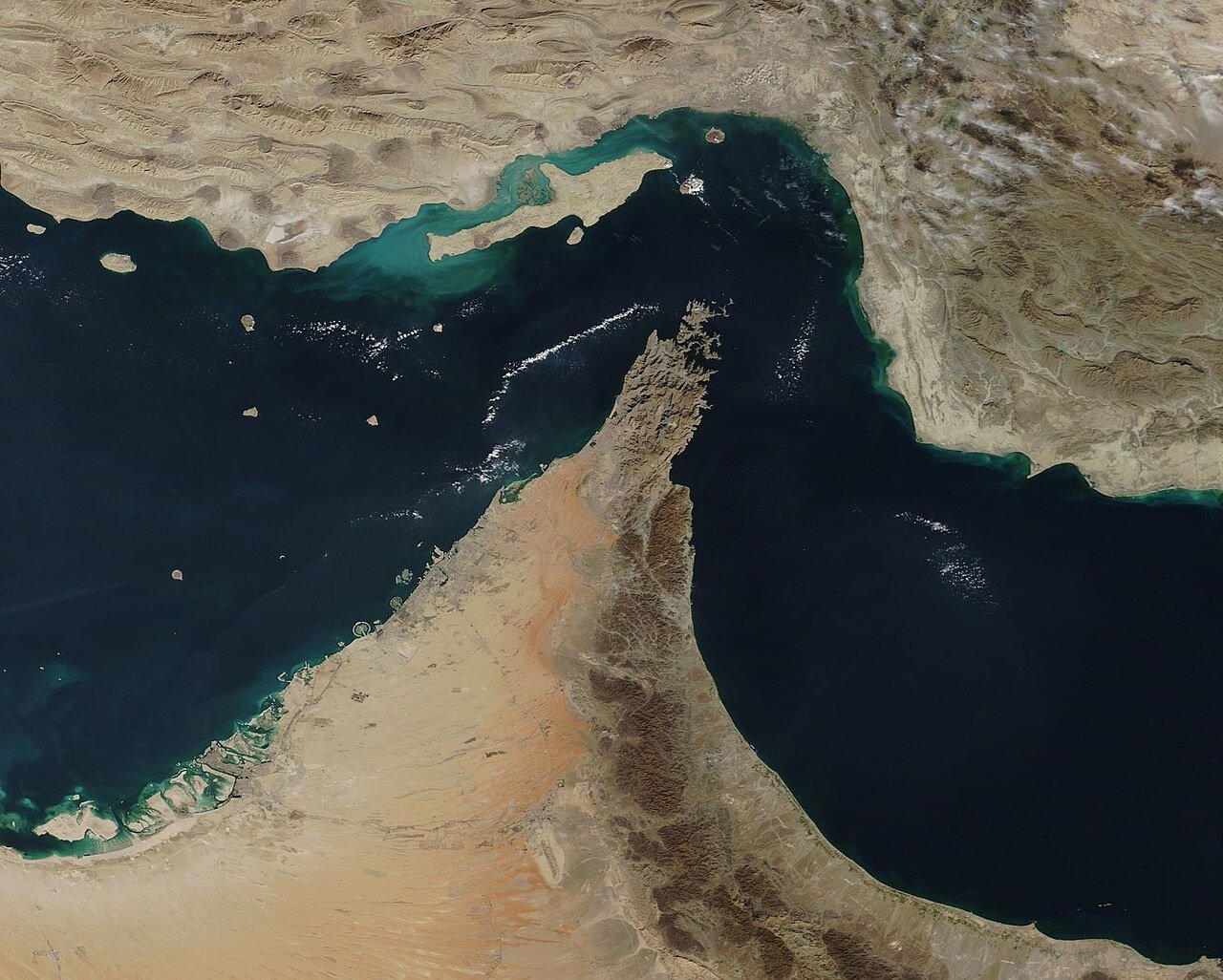
The Ministry of External Affairs (MEA) confirmed on Thursday, April 2, 2026, that India will participate in a high-level international meeting focused on resolving the ongoing blockade of the Strait of Hormuz.
Foreign Secretary Vikram Misri is attending the virtual talks, which were convened by the United Kingdom to address escalating maritime security concerns and the global energy crisis.
Key Details of the Meeting
-
Host: The United Kingdom.
-
Participants: Over 40 countries, including France, Germany, Italy, Japan, South Korea, Canada, Australia, and the UAE.
-
Notable Absence: The United States is notably absent from the participant list, following President Trump’s recent signals that securing the waterway is the responsibility of the nations that rely on it.
-
Objective: To establish diplomatic and political frameworks to restore “unimpeded and safe transit” through one of the world’s most critical oil and gas corridors.
India’s Strategic Position
MEA spokesperson Randhir Jaiswal highlighted India’s proactive role in safeguarding its economic and energy interests:
-
Energy Security: India is engaging directly with Iran and other regional stakeholders to ensure the safe passage of vessels carrying LPG, LNG, and other essential products.
-
Recent Success: Through persistent diplomacy over the last several days, six Indian ships have successfully navigated the Strait of Hormuz.
-
Neutral Engagement: India clarified that its participation is focused strictly on maritime safety and energy security rather than joining a multinational military peace initiative.
Context of the Crisis
The Strait of Hormuz is currently facing unprecedented tension following the escalation of the US-Iran war. With the U.S. moving away from its traditional role as the region’s maritime guarantor, the UK has stepped in to coordinate a multilateral response.
“We are in touch with Iran and other countries to see how best we can get unimpeded transit… our ships are carrying products including LPG and LNG.” — Randhir Jaiswal, MEA Spokesperson
Global Warnings
The meeting comes as Prime Minister Narendra Modi cautioned the Rajya Sabha to prepare for long-lasting challenges resulting from the conflict. As energy prices fluctuate and transit routes remain high-risk, India’s involvement in these talks is seen as a vital step in protecting its national interests in a volatile West Asian landscape.
