

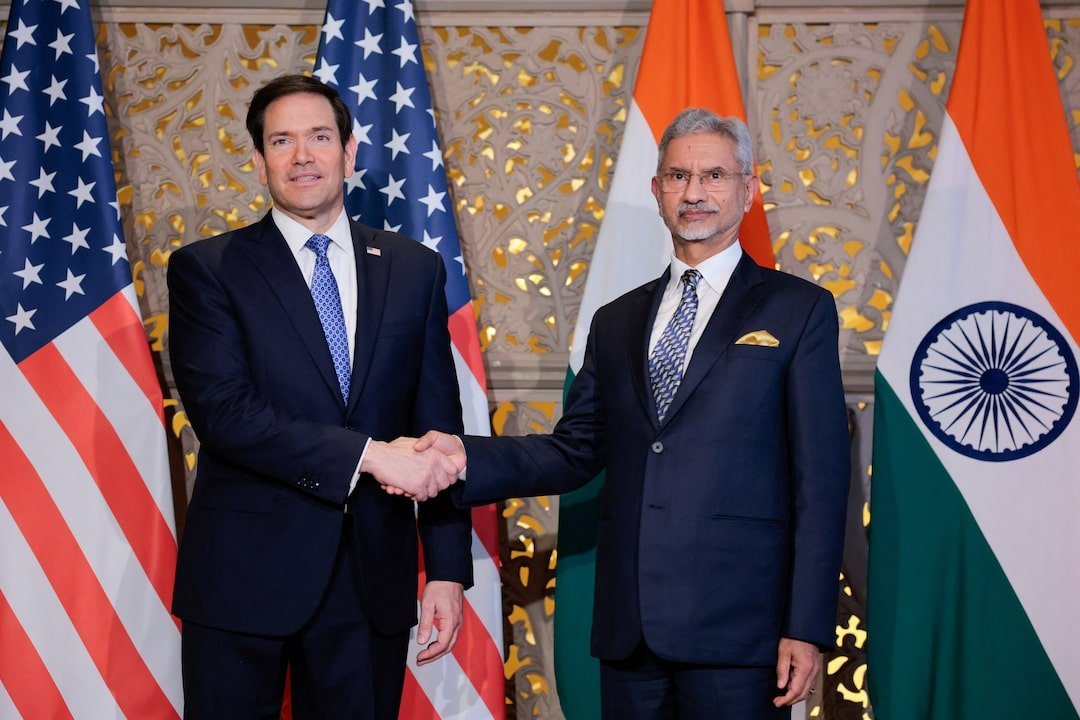
US Secretary of State Marco Rubio highlighted the deepening partnership between Washington and New Delhi during his visit to India, emphasizing that both nations share an “extraordinary alignment” on core strategic issues, even as they work through policy differences on trade and energy Sourcing.
A Defining Partnership for the 21st Century
Speaking at the ‘Freedom 250’ reception in Mumbai during his multi-day visit, Rubio underscored that the foundational strategic vision shared by the world’s two largest democracies remains remarkably resilient. Addressing a gathering of corporate leaders, diplomats, and dignitaries, he noted that shared values—including democratic governance, individual dignity, and the rule of law—continue to bind the two nations together.
“Of course there will be times and points of disagreement, but on the core issues that matter, the core issues that define the national interest of both India and the United States, the alignment between our countries is extraordinary, especially for two countries of this size,” Rubio said.
Highlighting India’s growing global stature as a “powerful, influential, and advanced” nation, the Secretary of State asserted that the Indo-US partnership will play a pivotal role in shaping global stability and prosperity throughout the 21st century.
Ensuring a Free and Open Indo-Pacific
A central theme of Rubio’s address was maritime security and the protection of global commerce. He reiterated the joint commitment of both nations toward maintaining a “free and open” Indo-Pacific where international shipping routes remain accessible to all and no single power can claim ownership or dominance.
The strategic convergence in the Indo-Pacific serves as a primary pillar of the bilateral relationship, reinforced by ongoing coordination through multilateral forums like the Quad.
Navigating Trade, Tariffs, and Energy Realities
While geopolitical alignment remains strong, the bilateral relationship has navigated recent frictions concerning trade tariffs, immigration policy changes, and India’s energy procurement strategies. Addressing tariff concerns, the Trump administration has sought broader market access, while New Delhi has consistently defended its sovereign economic interests.
However, diplomatic efforts remain active. Rubio revealed that negotiations toward a comprehensive bilateral trade agreement are making steady progress, indicating both sides are “very, very close” to resolving remaining issues.
As part of his itinerary, Rubio is scheduled to meet prominent business figures—including Tata Sons Chairman N Chandrasekaran and Adani Group Chairman Gautam Adani—and will tour Reliance Industries’ refining facility in Jamnagar, Gujarat, to discuss energy supply chains and refining collaboration.
