

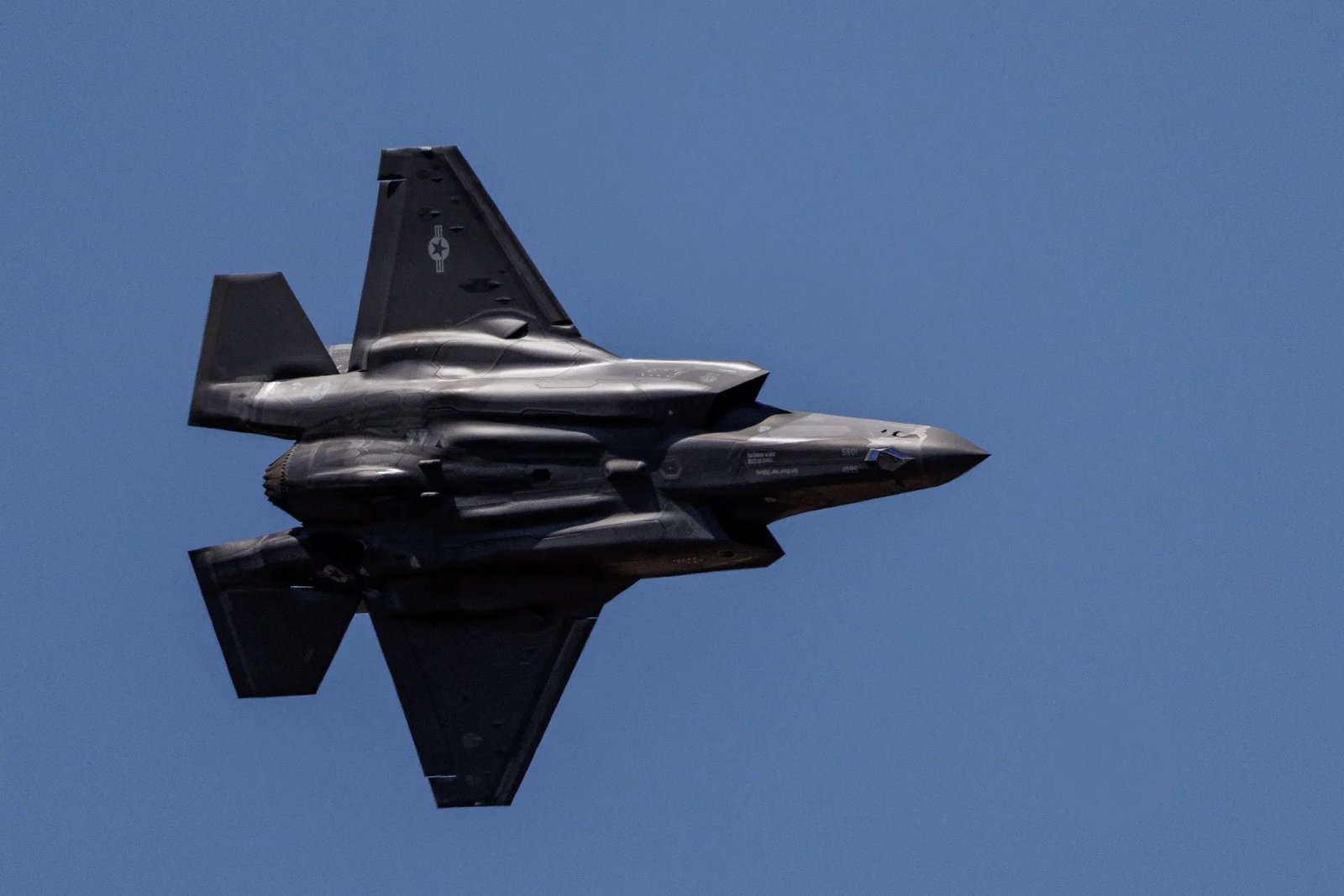
A single overlooked email inside a major global logistics chain has triggered a major national security scare for the United States, accidentally routing sensitive components of the world’s most advanced fighter jet directly through Hong Kong and into Chinese control.
The Chain of Events
The incident, which took place in late May, involved a shipment of spare parts from an Australian F-35 fighter jet that was being sent back to the United States for potential repair or disposal.
-
The Intended Path: The cargo was originally scheduled to travel from Australia to San Francisco via secure defense partner nations—South Korea and Taiwan.
-
The Logistical Diversion: After the shipment fell behind schedule leaving Australia, handlers attempted to speed up delivery. Consequently, the cargo was mistakenly routed through Hong Kong.
-
The Missed Warning: Freight forwarder firm DSV A/S—acting on behalf of F-35 developer Lockheed Martin—had sent a warning email to United Parcel Service (UPS) flagging the shipment under strict International Traffic in Arms Regulations (ITAR). The regulations expressly prohibit sensitive US military tech from transiting through adversarial or unapproved jurisdictions.
-
The Breakdown: According to sources briefed on the matter, a UPS employee missed the warning email, which may have been sent through a separate IT system from the one typically monitored by the agent.
Why It Matters: High-Value Stealth Tech
The shipment contained two highly sensitive components:
-
An F-35 Cockpit Canopy
-
A Weapons-Bay Door
Both parts are coated in specialized radar-absorbing materials critical to the aircraft’s low-observable stealth capabilities, designed to significantly reduce the likelihood of enemy radar detection.
Government accountability experts and lawmakers have called the incident a “big deal,” noting that Beijing has targeted the F-35 program for years through intense espionage efforts. Analysts warn that the components likely provide Chinese researchers a rare opportunity to study the specialized coatings and attempt reverse-engineering.
Official Response and Fallout
The breach has prompted active investigations by both the Pentagon and the State Department’s Directorate of Defense Trade Controls.
-
Defense Department: Officials briefed House committee staff on the incident, noting that they are working alongside industry partners to review protocols and prevent future supply chain security lapses.
-
Lockheed Martin: The defense contractor stated that it selects carriers aligning with government regulations and is working closely with logistics partners to reinforce tracking and oversight.
-
Congressional Pushback: US lawmakers have expressed deep alarm, demanding comprehensive reviews of global defense supply chain vulnerabilities to ensure export-controlled military hardware is never again exposed through administrative or communication slip-ups.
