

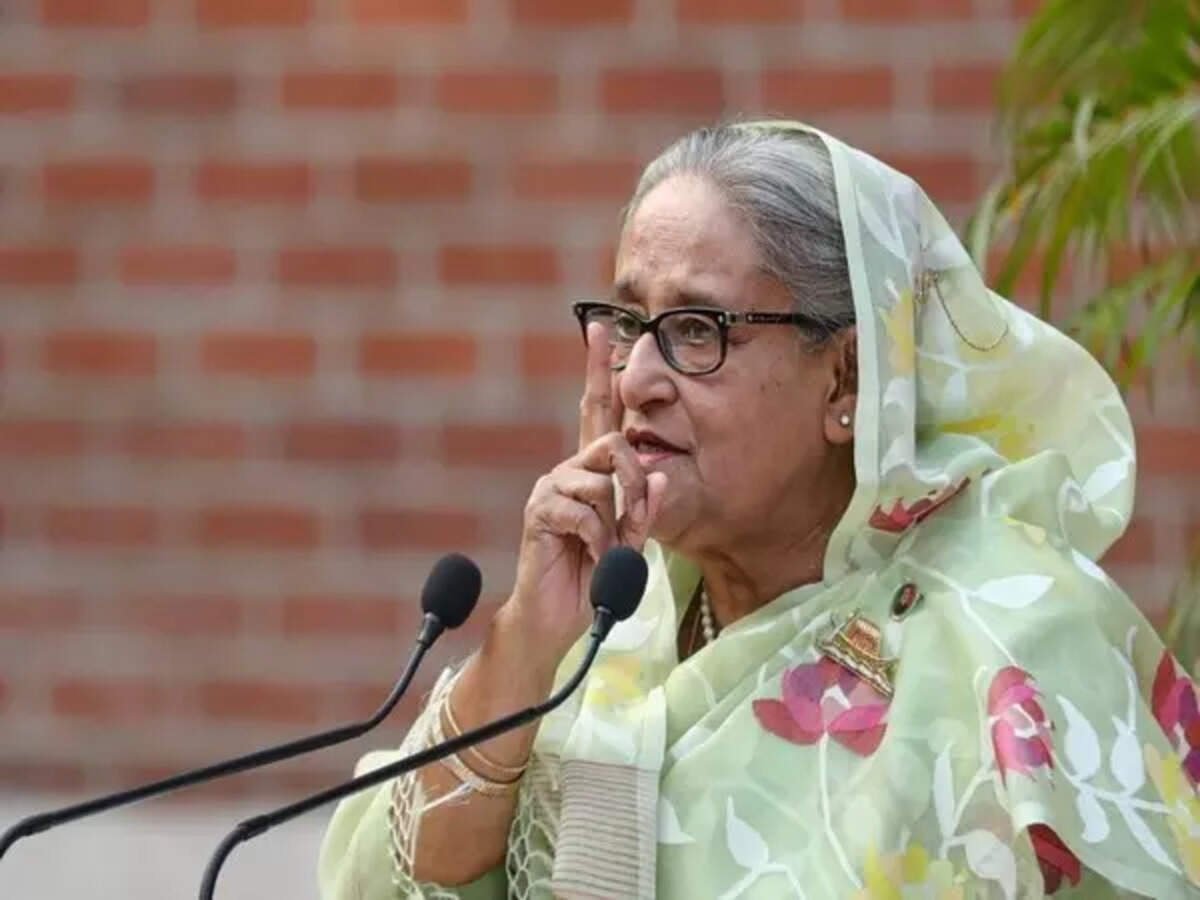
The political landscape in Dhaka has shifted dramatically since Sheikh Hasina fled the country. Following a transitional interim administration, general elections were held in early 2026, bringing the Bangladesh Nationalist Party (BNP) to power. Tarique Rahman was sworn in as Bangladesh’s 11th Prime Minister on February 17, 2026.
The statement from Zahed Ur Rahman, a strategy adviser to Prime Minister Tarique Rahman, highlights the complicated legal and diplomatic challenges of Hasina’s planned return:
-
The Challenge to Face Trial: The new government is framing her return as an opportunity to implement judicial accountability. By welcoming her to bring “the best lawyers in the world,” the administration aims to signal that any future proceeding will meet international standards of transparency.
-
Revisability of the Verdict: The adviser’s note that the court “can revise the verdict against Hasina or acquit her” is a strategic legal assurance. It aims to weaken her defense that the trial and death sentence are purely political, potentially easing procedural pathways for her extradition or voluntary surrender.
-
India’s Diplomatic Tightrope: India remains in a delicate position. New Delhi has maintained a cautious stance, treating extradition strictly as a legal matter rather than a political one. This helps protect bilateral ties with the newly elected BNP-led government in Dhaka while managing the presence of a long-standing ally.
