

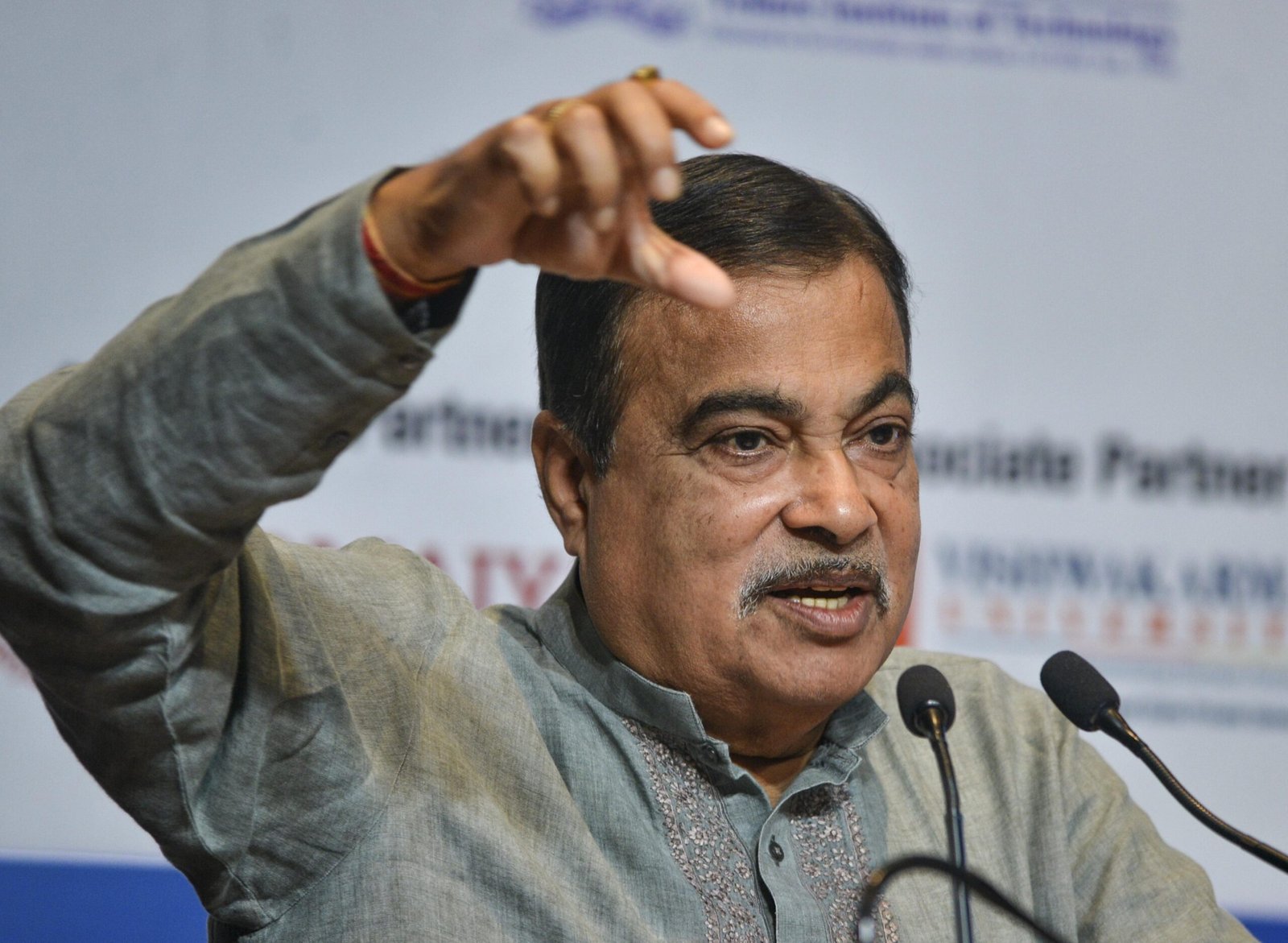
At the NDTV Automate: The Fuel and Future Summit 2026, Union Minister Nitin Gadkari strongly championed India’s transition to biofuels, ethanol, and electric vehicles. His address highlights the massive macroeconomic drivers pushing the government toward an E20-dominated fuel market:
-
The ₹22 Lakh Crore Import Burden: India currently spends nearly ₹22 lakh crore annually on energy imports. Shifting to indigenous, domestically produced ethanol is seen as a vital step to plug this massive capital outflow and make India Aatmanirbhar (self-reliant).
-
The Emissions Crisis: With the transport and fossil fuel sectors accounting for 40% of India’s emissions, the government views ethanol blending as a non-negotiable tool for decarbonization.
-
The Rural Economy Boost: Cultivating crops for biofuel generation directly supports local farmers and creates employment opportunities for rural youth.
Connecting the Dots: The Policy vs. Pump Disconnect
When read alongside Gadkari’s earlier remarks defending the E20 rollout—where he suggested dissatisfied motorists could simply “go for 100% petrol” if they paid a premium—a clear paradox emerges between national policy goals and everyday consumer choices:
-
The Forced Transition: While the government pitches biofuels as a pathway to energy security and job creation, the structural pricing and availability of alternative “pure” petrol (like XP100 costing ~₹170/litre) leaves mass-market consumers with no real choice but to accept E20.
-
Passing the Cost to the Consumer: The policy framework effectively places the financial burden of transitioning away from fossil fuels on the driver. Those wishing to protect older, non-E20-compliant engines from potential long-term damage must pay a premium of nearly 60% at select pumps, while the rest must navigate lower mileage and potential engine wear on regular fuel.
Ultimately, while the macroeconomic arguments for an Aatmanirbhar energy sector are clear, the transition continues to highlight a significant friction point between high-level state planning and the financial reality of the everyday commuter.
