

1. The Only “Near-Pure” Option: 100-Octane Fuel
For drivers trying to avoid ethanol, the closest retail option is the niche 100-octane category.
-
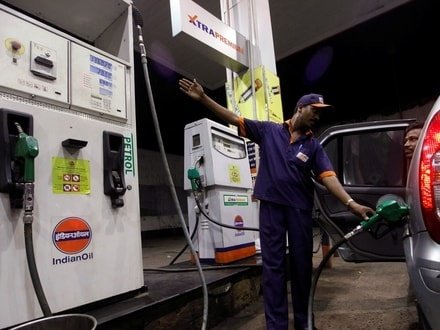
The Brands: Indian Oil’s XP100, HPCL’s Power100, and BPCL’s Speed100.
-
The Ethanol Content: These fuels have trace amounts or very low levels of ethanol (HPCL’s Power100, for instance, contains up to 4.5% ethanol).
-
Why they keep ethanol low: 100-octane fuel is a low-volume product that sits in underground station tanks for longer periods. Because ethanol is hygroscopic (it absorbs moisture from the air), blending high amounts of it into slow-moving fuel increases the risk of water contamination and fuel degradation.
2. The High Barriers: Price & Availability
While any standard mass-market car can technically run on 100-octane fuel, doing so is highly impractical for the average driver due to two major hurdles:
-
The Price Barrier: These premium fuels cost around ₹167 to ₹170 per litre in Delhi—which is roughly 60% more expensive than regular E20 petrol.
-
The Access Barrier: These fuels are highly restricted in availability, sold primarily in metro areas and only at select, designated pumps. For motorists outside major cities, they are virtually inaccessible.
3. High-Octane Does Not Mean Ethanol-Free
There is a common consumer misconception that premium fuels like Power99, Speed97, or Shell V-Power have less ethanol simply because they are higher quality.
The article clarifies that octane rating (resistance to engine knocking under pressure) and ethanol content (the volume of bio-alcohol blended in) are entirely different things. In fact, because ethanol has a naturally high octane rating (~108 RON), refiners use it to boost regular petrol to India’s mandatory 95 RON standard.
The actual ethanol breakdown across different fuel tiers illustrates this:
| Fuel Type | HPCL Variant | Approx. Ethanol Content |
| Regular Petrol | Regular | ~20% (E20) |
| Premium 95-Octane | Power95 | ~15% |
| Premium 99-Octane | Power99 | ~11% |
| Super-Premium 100-Octane | Power100 | Up to 4.5% |
(Note: Indian Oil’s XP95 has historically been blended with 10% to 12% ethanol, depending on the supply location).
The Core Dilemma for Drivers
While 100-octane fuel offers a smoother drive, standard mass-market car engines cannot fully utilize its performance benefits. Ultimately, while “pure” petrol exists, the government’s pricing and distribution framework ensures that E20 remains the only viable financial option for the vast majority of Indian motorists—even those driving pre-2023 cars that aren’t structurally optimized for high-ethanol corrosion.
