

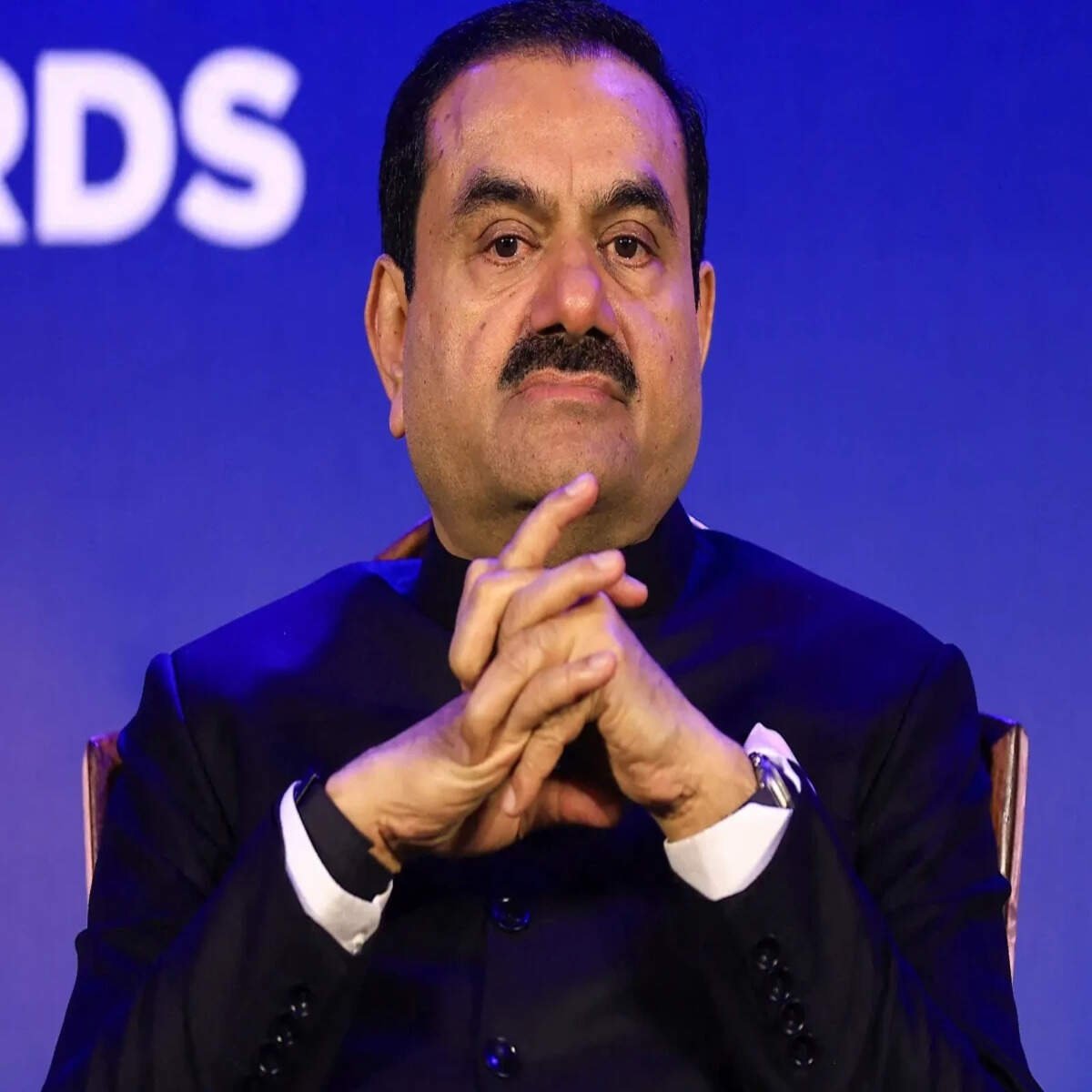
Adani Group Chairman Gautam Adani has filed a sworn affidavit in a US federal court explicitly denying any quid-pro-quo, undisclosed agreement, or deal behind the US Department of Justice’s (DoJ) move to drop criminal bribery and securities fraud charges against him.
The affidavit, submitted directly to US District Judge Nicholas Garaufis ahead of the July 15 deadline, answers a strict judicial query regarding whether the billionaire made any undisclosed commitments—specifically regarding the group’s proposed $10 billion US investment—in exchange for a dismissal with prejudice.
Key Takeaways from the Sworn Affidavit
-
Absolute Denial of Exchange: Adani stated under oath that he was completely unaware of “anything promised, offered, sought, received, agreed to, or accepted” by anyone to secure the dismissal.
-
Chronology of the $10 Billion US Investment: The affidavit highlights that the Adani Group’s $10 billion US investment framework was publicly announced on November 13, 2024. Because this occurred before the federal indictment was unsealed, it structurally disproves the narrative that the investment was cooked up as a post-indictment bargaining chip.
-
The Failed Resolution Path: While Adani’s defense counsel (Sullivan & Cromwell LLP) admitted to suggesting during white-paper presentations that the massive investment could serve as part of a potential settlement resolution, the DoJ explicitly informed them that the investment would play zero role in their determination.
The DoJ’s Stance: Dismantling a “Name-and-Shame” Action
The affidavit strongly aligns with an extraordinary 10-page filing submitted earlier by Principal Associate Deputy Attorney General R. Trent McCotter—the absolute decision-maker for the government in this matter.
McCotter took aim at the structural and legal integrity of the original case built during the closing days of the Joe Biden administration. The government’s formal reasons for seeking an absolute end to the trial reveal deep vulnerabilities in the prosecution’s baseline logic:
-
A Jurisdictional Overreach: The DoJ conceded that the alleged bribe payments were entirely foreign in character—made by Indian nationals to the Indian government over domestic solar power contracts. With zero active US interests implicated, the framework faced severe extraterritorial limits under US securities law.
-
No Financial Victimhood: A primary pillar of corporate criminal prosecution is quantifiable harm. The DoJ explicitly admitted that no investors suffered actual financial losses. In fact, the institutional notes in question were either fully paid back or remained completely current on interest.
-
The “Name-and-Shame” Characterization: In a blunt rebuke of its own predecessor leadership, the current DoJ stated that the indictment was unsealed at the tail end of the prior administration as a public “name-and-shame” tactic, carrying “no realistic prospect of a trial ever occurring” given that key witnesses and targets reside well outside US borders.
-
Realignment of Enforcement Priorities: Under the current administration, Foreign Corrupt Practices Act (FCPA) priorities have refocused tightly onto direct threats to American businesses, national security, or global criminal syndicates. A dispute over Indian power grids failed to meet this threshold.
The Operational Takeaway
By satisfying the court’s strict demand for zero hidden agreements under Rule 48(a), both the DoJ and Adani’s legal team have cleared the deck for Judge Garaufis to officially close the case. For the Adani Group, which experienced a devastating ₹2.85 lakh crore erasure in market value when the case originally broke, the dismissal with prejudice marks a complete legal vindication in US courts and a definitive end to a prolonged corporate crisis.
