

Mahindra & Mahindra has announced a price hike of up to 2.7 percent across the majority of its SUV portfolio, citing escalating commodity and input costs. This marks the second cumulative price correction for the automaker this year, following a 2.5 percent upward revision earlier in April 2026.
While most of the combustion-engine (ICE) lineup and select electric models face an increase, Mahindra has applied the hike selectively, leaving several key models untouched.
Key Takeaways from the Price Revision
-
Scorpio N Spared: Among the internal combustion engine (ICE) models, the highly popular Scorpio N has been completely excluded from the hike, retaining its older price structure.
-
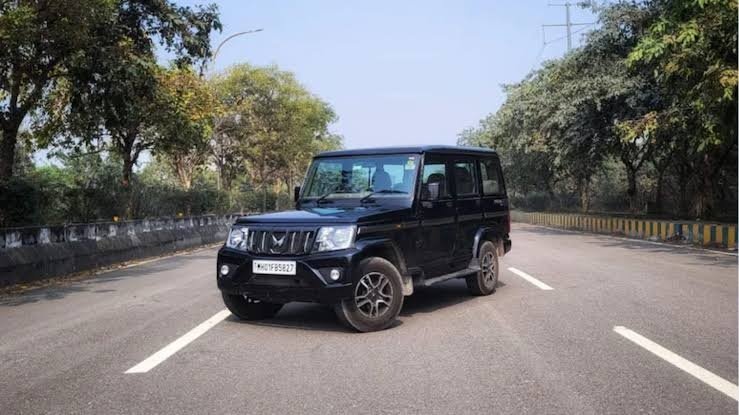
Sharpest ICE Base Hike: The standard Mahindra Bolero saw the highest base price surge among the fuel-powered cars, with its starting price jumping by Rs 49,000.
-
Highest Overall Hike: The electric XEV 9S received the most substantial price adjustment across the entire Mahindra portfolio. Its entry price rose by Rs 70,000, shifting from Rs 19.95 lakh to Rs 20.65 lakh.
-
EVs Largely Stable: Mahindra has shielded most of its electric vehicle (EV) lineup from this round of hikes. The XUV 3XO EV, BE 6, and XEV 9e have all retained their previous pricing structure.
Updated Mahindra SUV Price List (Ex-Showroom)
Following the July 10 price revision, here are the updated ex-showroom price ranges for the Mahindra lineup:
| Model | Updated Price Range (Ex-Showroom) |
| Mahindra XUV 3XO | Rs 7.79 lakh to Rs 15.04 lakh |
| Mahindra Bolero | Rs 8.49 lakh to Rs 9.99 lakh |
| Mahindra Bolero Neo | Rs 8.99 lakh to Rs 12.49 lakh |
| Mahindra Thar (3-door) | Rs 10.32 lakh to Rs 18.00 lakh |
| Mahindra Thar Roxx | Rs 12.52 lakh to Rs 23.53 lakh |
| Mahindra Scorpio Classic | Rs 13.37 lakh to Rs 17.40 lakh |
| Mahindra Scorpio N (Unchanged) | Rs 13.49 lakh to Rs 24.95 lakh |
| Mahindra XUV 7XO | Rs 13.99 lakh to Rs 25.79 lakh |
| Mahindra XEV 9S (EV) | Starts at Rs 20.65 lakh (Up by Rs 70k) |
Part of a Broader Industry Trend
Mahindra’s price adjustment is not an isolated event but mirrors a broader industry trend in the Indian automotive market. Driven by persistent inflationary pressures and rising manufacturing input expenses, major competitors like Tata Motors, Maruti Suzuki, and BYD have also rolled out similar price hikes across their respective portfolios in recent weeks.
