

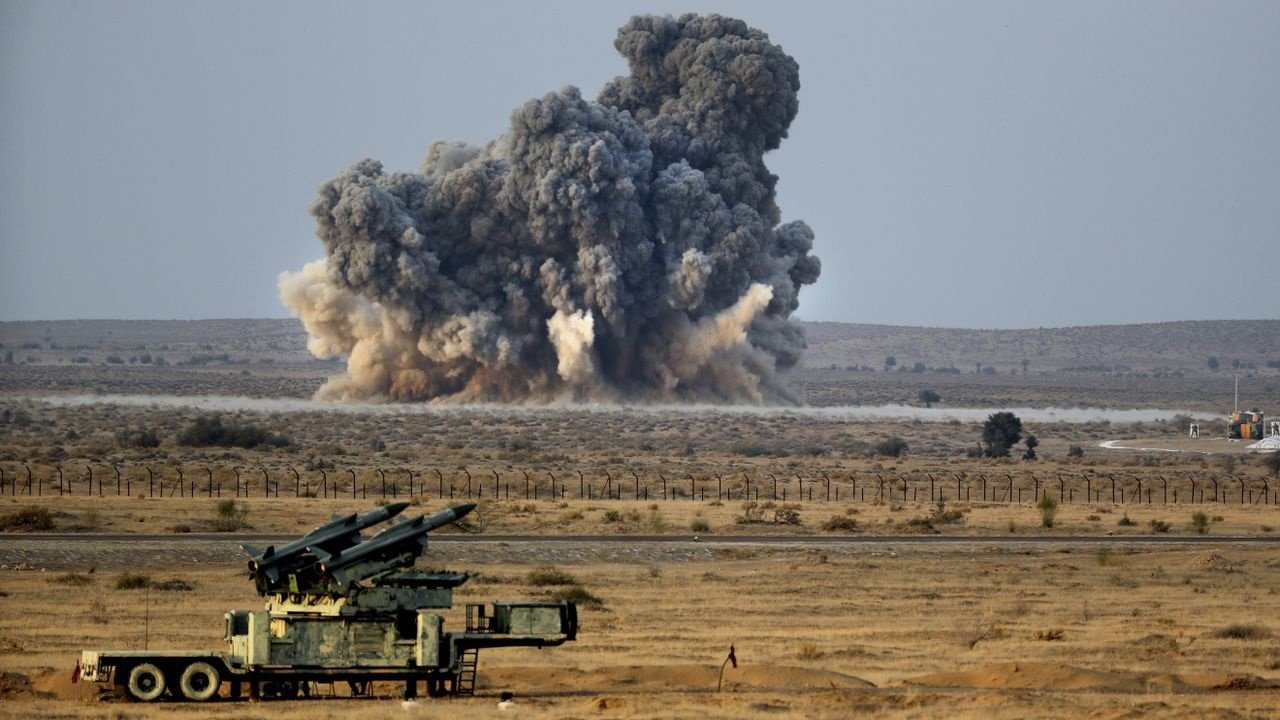
While the political battlefield in Punjab heats up, a completely different, high-stakes operational crisis is unfolding on the border in Jammu and Kashmir. The latest blast in the Nowshera sector of Rajouri—which injured four soldiers, including a Junior Commissioned Officer (JCO)—marks a deeply troubling pattern along the Line of Control (LoC).
This is the third major explosion in just seven days, bringing the week’s toll to two bravehearts killed and six soldiers injured.
The Strategic Geography: A Multi-Sector Flareup
What makes this week’s timeline critical is that these incidents are not isolated to a single sector. They are spanning across both the Kashmir valley and the Pir Panjal region:
1. The Operational Context: Operation Sherawali
While senior military officials have indicated that these initial findings point toward “accidental” detonations, the broader security environment in Rajouri is hyper-vigilant. The Indian Army has been conducting Operation Sherawali for the past three weeks—a massive, relentless manhunt to track down a heavily armed group of infiltrating terrorists in the dense, rugged terrain of Rajouri district.
2. The Danger of “Accidental” Blasts on the LoC
When patrols move through active counter-infiltration zones like Nowshera, Poonch, or Uri, they operate under immense pressure. “Accidental” blasts along the LoC typically happen due to a few stark realities of forward-post warfare:
-
Vintage Landmine Drift: Heavy rains, soil erosion, and shifting terrain frequently cause older anti-personnel mines (laid along infiltration routes) to drift from their mapped locations.
-
Live Ordnance Handling: In high-alert zones where troops are constantly tracking active terror footprints, weapon readiness and live grenade handling increase significantly, raising the statistical risk of accidental triggering.
The Tense Silence
Notably, the Army has chosen to maintain a highly controlled communication strategy, withholding official, detailed statements on the exact nature of the Poonch and Rajouri blasts. Simultaneously, reports of recent unconfirmed firing in the Balakote sector suggest that the long-standing ceasefire along the border is facing its most severe stress-test in months.
As the injured soldiers are airlifted to the Command Hospital in Udhampur, the twin challenges of handling volatile hardware in treacherous terrain while hunting active terror cells have put the local formation commands on absolute high alert.
