

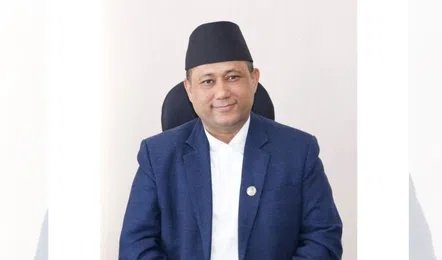
In a major bid to thaw chilled bilateral ties, Nepal’s Minister for Foreign Affairs, Shisir Khanal, arrived in New Delhi for a vital three-day official visit. Visiting at the express invitation of India’s External Affairs Minister, S. Jaishankar, the trip represents the first high-level ministerial outreach from Kathmandu since Nepal’s new coalition government under Prime Minister Balen Shah assumed office.
The visit is widely seen by geopolitical analysts as a critical course correction driven by strategic and economic necessity.
Mending a Diplomatic Rupture
The timing of Khanal’s visit carries immense diplomatic weight, following a string of sensitive developments that had cooled relations between the two neighbors:
-
The Border Friction: Lingering boundary disputes have remained a primary source of political gridlock between Kathmandu and New Delhi.
-
The Canceled Secretarial Visit: Media reports recently alleged that a proposed visit by India’s Foreign Secretary to Kathmandu was called off entirely after failing to secure an audience with PM Balen Shah. While the Indian government explicitly rejected those claims, the rumors cast a distinct chill over bilateral communications.
Political Groundwork and Shared Goodwill
Khanal’s trip follows hot on the heels of a successful visit by Rabi Lamichhane, chief of Nepal’s ruling Rastriya Swatantra Party (RSP). Lamichhane received a warm reception in New Delhi, concluding with an hour-long meeting with Prime Minister Narendra Modi.
A Symbol of Shared Heritage: In a highly publicized gesture, Lamichhane gifted PM Modi a miniature replica of Kathmandu’s sacred Pashupatinath Temple, signaling a shared civilizational bond. PM Modi subsequently reaffirmed that Nepal remains a cornerstone of India’s “Neighbourhood First” policy.
Core Areas of Cooperation
Minister Khanal’s primary objective is to translate this baseline political goodwill into tangible, signed agreements. Key items on the bilateral table include:
| Sector | Primary Objectives & Projects |
| Energy & Hydropower | Reviewing and accelerating stalled cross-border power transmission and joint hydro ventures. |
| Connectivity | Strengthening digital corridors, cross-border transport infrastructure, and seamless transit links. |
| Trade Facilitation | Addressing non-tariff barriers and restructuring investment protocols to boost Nepal’s economic recovery. |
| Bilateral Dialogue | Reviving dormant high-level working groups to address border alignment concerns directly. |
Geopolitical Stakes
For the RSP-backed coalition in Nepal, steady ties with New Delhi are essential for ensuring domestic economic stability and securing vital trade corridors. For India, proactively engaging Kathmandu allows it to reassert its historic primacy as Nepal’s closest security and developmental ally—especially against the backdrop of expanding infrastructure initiatives driven by China in the region.
Minister Khanal is expected to finalize several foundational agreements before concluding his engagements and returning to Kathmandu.
