

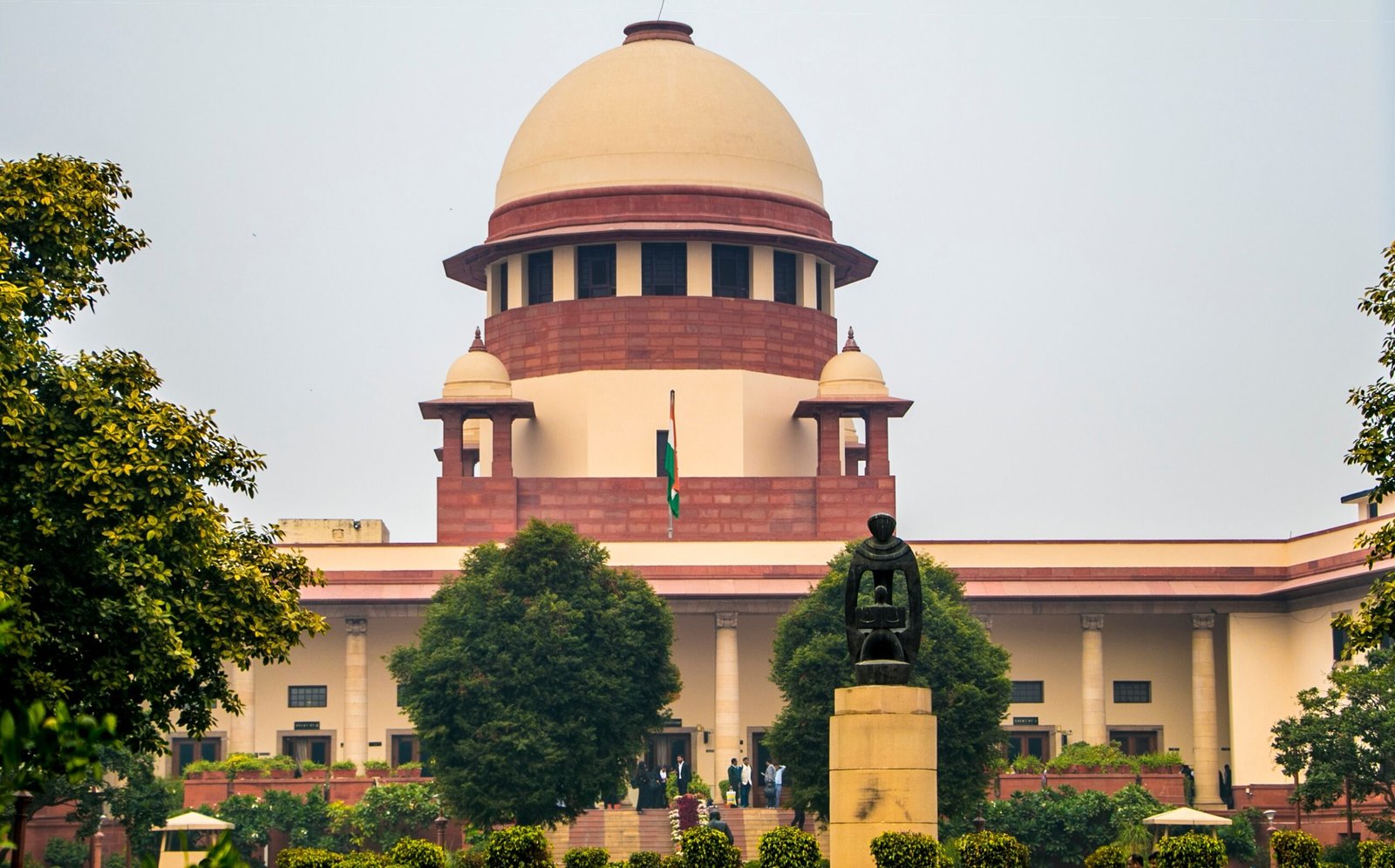
This is a monumental development for the Indian judiciary, bringing several historical milestones in a single morning. The administration of the oath of office to these five new judges marks the first set of apex court appointments cleared under the Collegium led by Chief Justice of India Surya Kant.
Crucially, this expansion follows a recent central ordinance that raised the sanctioned judicial capacity of the Supreme Court to 37 judges (excluding the CJI), meaning the top court is operating at an unprecedented near-full capacity with just one vacancy left.
Key Takeaways from the Appointments
Beyond filling empty benches to tackle India’s massive judicial backlog, these specific inductions carry major structural and historic weight:
-
Direct Bar-to-Bench History: The direct elevation of Senior Advocate Venkita Subramani Mohana is a historic milestone. She becomes only the second woman advocate in Indian history to be elevated directly from the Bar to the Supreme Court bench, following Justice Indu Malhotra’s landmark appointment in 2018.
-
Urgent Gender Representation: Justice Mohana’s appointment brings crucial relief to the top court’s gender diversity. Prior to today, Justice B.V. Nagarathna was standing as the lone woman judge on the Supreme Court bench. This is also the first time the Collegium has successfully appointed a woman to the top court since August 2021.
-
Geographic Restorations: The elevation of Justice Shree Chandrashekhar successfully restores a crucial regional voice from the Jharkhand High Court to the apex bench, ensuring geographical representation isn’t concentrated in a handful of larger states.
Profile Breakdown: The New Supreme Court Judges
| Judge | Previous Designation | Key Background |
| Justice Sheel Nagu | Chief Justice, Punjab and Haryana HC | Enrolled in 1987 (MP Bar). Extensive background in complex civil and constitutional law; elevated to the bench in 2011. |
| Justice Shree Chandrashekhar | Chief Justice, Bombay HC | Delhi Bar alumnus (1993). Argued over 140 reported SC cases as counsel. Served on the Parliamentary Inquiry Committee in the Justice Yashwant Varma probe. |
| Justice Sanjeev Sachdeva | Chief Justice, Madhya Pradesh HC | Campus Law Centre (DU) alumnus (1988). Long judicial track record originating from the Delhi High Court bench. |
| Justice Arun Palli | Chief Justice, J&K and Ladakh HC | Third-generation legal legacy from Patiala. Served as Punjab’s Additional Advocate General (2004–2007) before his judicial elevation in 2013. |
| V. S. Mohana (Senior Advocate) | Direct Elevation from the Bar | Only the second woman directly appointed from the Bar to the SC. Ends a nearly 5-year drought of female appointments to the apex court. |
The Operational Impact
The timing of this expansion is critical. Facing an overwhelming docket of pending litigations, a nearly full 38-member bench (37 judges + 1 CJI) allows Chief Justice Surya Kant to constitute more simultaneous Constitution benches and specialized division benches.
By utilizing the newly expanded structural cap passed by the government, the Supreme Court is now better equipped to handle heavy constitutional scrutiny alongside daily criminal and civil appeals without grinding standard disposals to a halt.
