

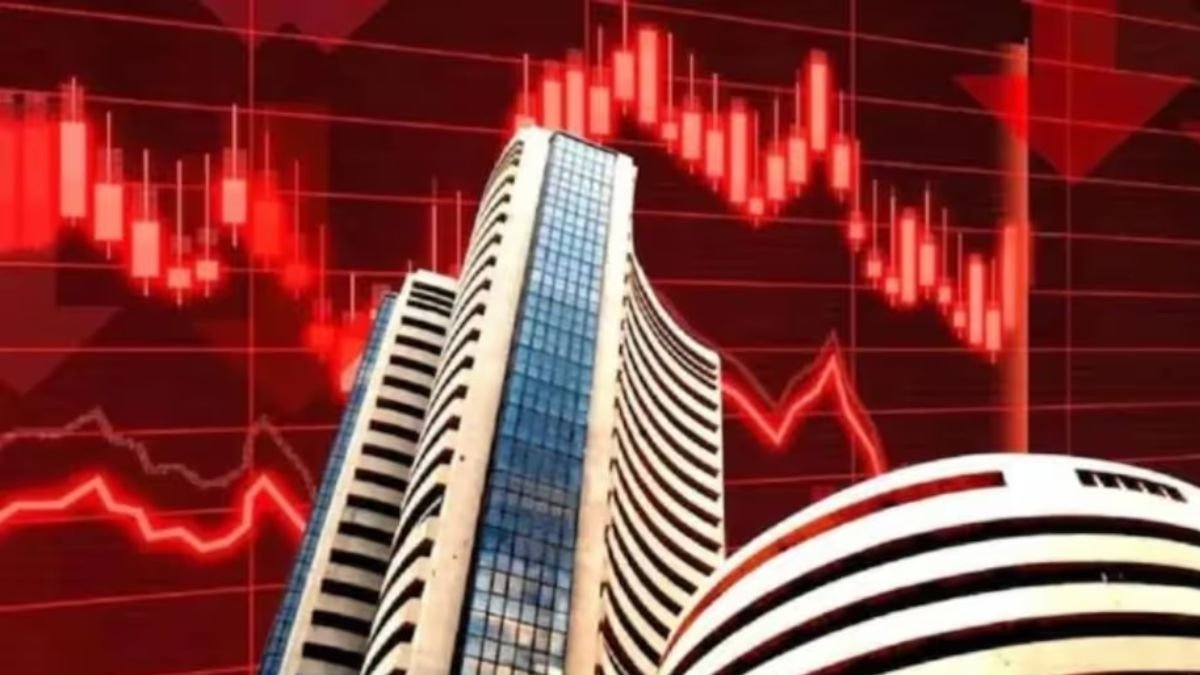
Indian equity markets experienced severe volatility on Friday, culminating in a dramatic late-afternoon selloff. The benchmark BSE Sensex crashed 1,092.06 points (1.44%) to close at 74,775.74, while the NSE Nifty50 tumbled 359.40 points (1.5%) to settle at 23,547.75.
While the markets traded under minor pressure for most of the day, the real chaos struck precisely at 3:00 PM, when the Sensex plummeted a staggering 850 points in a mere 10 minutes. Here are the three distinct triggers that combined to spark this massive Friday selloff.
1. The 3 PM Trigger: MSCI Index Rebalancing
The sudden, vertical drop in the final half-hour of trading was purely structural, driven by global passive fund flows adjusting to the MSCI Global Standard Index rebalancing.
When MSCI adds or removes stocks from its indices, global institutional funds are legally or structurally obligated to realign their portfolios before the market closes. This triggered massive, high-volume automated selling at 3 PM as funds scrambled to exit dropped equities.
The Inclusions and Exclusions:
-
Inclusions (Inflow of Capital): National Aluminium, Federal Bank, Indian Bank, and Multi-Commodity Exchange of India (MCX).
-
Exclusions (Forced Outflows): Kalyan Jewellers, Hyundai Motor India, Rail Vikas Nigam Limited (RVNL), and Jubilant Foodworks.
2. The Macro Trigger: Deficient Monsoon & El Niño Fears
While the MSCI rejig explains the timing of the crash, the underlying bearish sentiment was set earlier in the day by a grim weather update from the India Meteorological Department (IMD).
The IMD forecast below-normal rainfall for the crucial June–September monsoon season, predicting it to land at just 90% of the Long-Period Average (LPA).
Why this hurts the stock market: A deficient monsoon, compounded by a rising likelihood of an El Niño weather pattern, threatens rural consumer demand and severely disrupts agricultural output. Investors immediately priced in the risk of elevated food inflation, which could force the RBI to keep interest rates higher for longer, dampening corporate growth.
3. The Geopolitical Trigger: US-Iran Ceasefire Uncertainty
Adding fuel to the domestic fires was renewed anxiety over international shipping and energy security. Global markets had been cautiously pricing in a potential US-Iran peace deal that would establish a 60-day ceasefire extension and open talks regarding Iran’s nuclear program.
However, statements from US Vice President JD Vance threw a wrench into those expectations, revealing that the framework for the ceasefire extension had not yet been approved by President Donald Trump. This sudden political friction renewed fears that Middle East tensions could flare up again, directly risking global supply chains and putting upward pressure on crude oil prices.
