

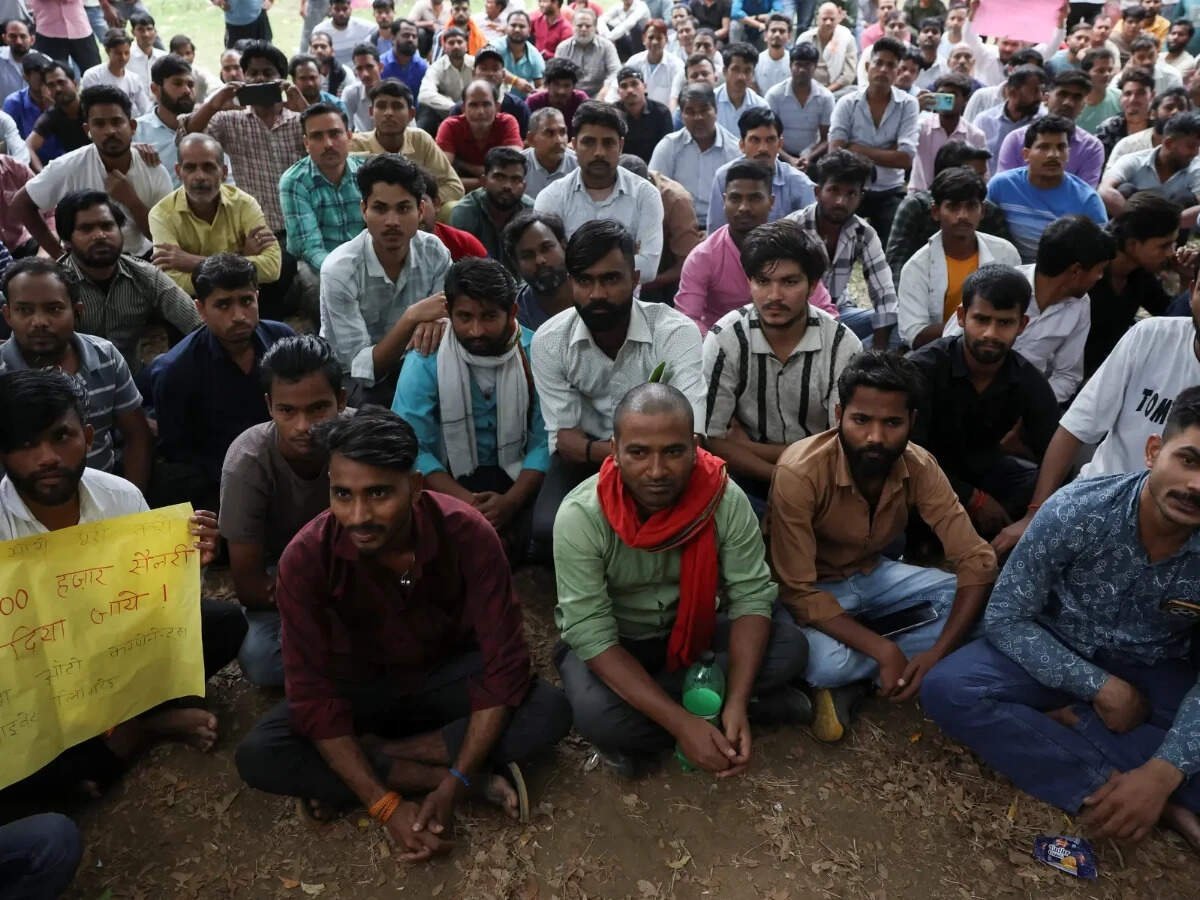
The industrial heartland of Haryana is grappling with a volatile mix of labor unrest and a severe energy crunch. On Friday, April 10, 2026, the state government ordered a sharp 35% increase in minimum wages for unskilled workers, a direct response to a week of intensifying factory protests and work boycotts.
The decision reflects the cascading economic impact of the ongoing conflict between the U.S., Israel, and Iran, which has sent shockwaves through India’s manufacturing supply chains.
The Wage Revision: Relief at a Cost
The Haryana government has raised the monthly minimum wage for unskilled workers from approximately $120 to $165, effective retroactively from April 1.
-
The Trigger: The hike follows violent clashes between police and industrial workers in Manesar, a critical hub for India’s automotive industry.
-
Cost of Living: Workers cited a massive surge in food prices. Small eateries and street vendors have reportedly doubled their prices due to a national shortage of cooking gas.
-
Industrial Impact: Major players like Maruti Suzuki, Munjal Showa (a Hero MotoCorp supplier), and Roop Polymers reported significant production disruptions throughout the week as workers demanded wages that could keep pace with inflation.
India’s “Worst Gas Crisis in Decades”
The wage hike is only one side of the coin. India, the world’s second-largest importer of LPG, is currently facing a catastrophic fuel shortage linked to the regional war on Iran.
-
Prioritizing Households: To prevent domestic unrest, the central government has redirected gas supplies away from industrial sectors to shield households from cooking gas shortages.
-
Factory Fallout: The lack of industrial gas has crippled ancillary units and forced small businesses to seek “emergency” government aid, including the establishment of common kitchens to feed workers who are otherwise fleeing back to their home villages.
Auto Sector: “The Perfect Storm”
For India’s automotive giants, the wage hike adds another layer of financial strain at a time when raw material costs are already peaking.
-
Pricing Pressure: Tata Motors and Mahindra have already implemented price hikes on their vehicle lineups. Maruti Suzuki has signaled that similar increases are likely in the coming weeks to offset the 35% jump in labor costs.
-
Supply Chain Fragility: Industry executives warn that even if the “Islamabad Peace Talks” succeed, it could take weeks for supply chains to stabilize, particularly with a significant portion of the migrant workforce having already left the industrial centers.
Looking Ahead
While the wage increase has brought a temporary end to the boycotts in Manesar, the long-term outlook remains grim. With over 400 million migrant workers nationwide vulnerable to these economic shocks, industrial bodies like the India SME Forum are warning that once labor leaves, “it is very difficult to get them back.”
As of tonight, the auto sector is left waiting for two resolutions: a diplomatic breakthrough in Pakistan to restore energy flows, and a strategy to absorb the highest sudden labor cost increase in the state’s recent history.
