

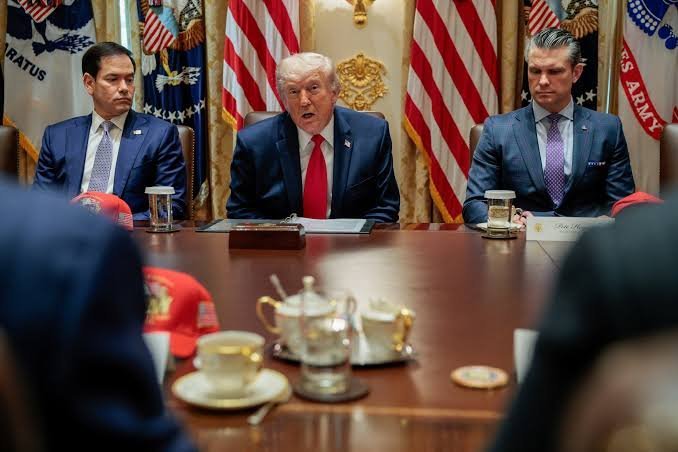
U.S. President Donald Trump has officially rejected a new truce and diplomatic roadmap proposed by Iran to end the ongoing seven-month conflict, stating that Tehran demanded excessive upfront concessions because “they are losing so badly.”
Key Highlights of the Rejected Proposal
-
Iran’s Demands: Outlined by Iranian Foreign Minister Abbas Araghchi at the United Nations, Tehran’s proposed framework called for the immediate release of frozen Iranian assets, the lifting of international sanctions on Iranian oil, and the termination of the U.S. naval blockade restricting the Strait of Hormuz—all as a precondition just to start formal negotiations.
-
U.S. Response: U.S. Ambassador to the UN Mike Waltz criticized the terms on NBC News as a “cynical attempt” to secure major concessions upfront without trust or adherence guarantees, noting that Washington maintains deep skepticism following past diplomatic stalemates.
-
Trump’s Assessment: President Trump asserted that Iranian leadership “overplayed their hand” by seeking terms that might have been acceptable a year ago, noting that while negotiations could potentially resume informally through indirect channels, all military and economic options remain on the table.
Tehran’s Position and Regional Fallout
-
Defiant Stance: Foreign Minister Araghchi dismissed U.S. criticisms and expressed heavy pessimism regarding bilateral engagement, stating that Tehran expects its core rights regarding maritime access and trade to be respected.
-
The Strait of Hormuz Chokepoint: The strategic water strait remains a central flashpoint in the conflict, which escalated nearly seven months ago following joint U.S. and Israeli airstrikes targeting Iranian infrastructure.
-
Outlook: Despite the public rejection of the initial truce plan, sources indicate that indirect communication channels between Washington and Tehran could still see tentative engagement as economic and military pressures on Iran intensify.
