

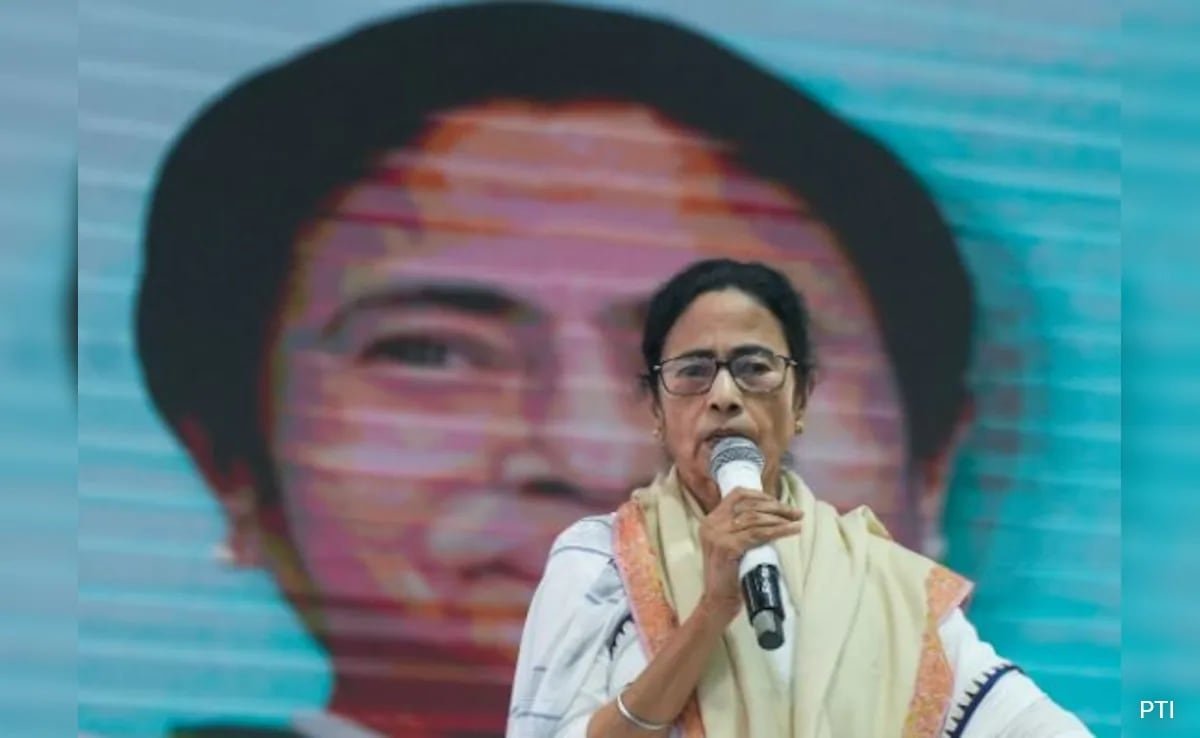
The West Bengal Assembly Election of 2026 will be remembered as the moment a 15-year political dynasty collapsed. In a seismic shift, the Bharatiya Janata Party (BJP) secured 206 seats, while the Trinamool Congress (TMC) was decimated, falling to just 81 seats—a staggering loss of 133 seats compared to their 2021 victory.
The transition from a dominant ruling party to the opposition benches marks an existential crisis for Mamata Banerjee and her nephew, Abhishek Banerjee. Here is an analysis of the factors that led to this historic “Paribartan” (change).
1. The Security Shadow: RG Kar and Sandeshkhali
While Mamata Banerjee built her identity as the “protector” of women through schemes like Lakshmir Bhandar and Kanyashree, high-profile incidents shattered the image of a safe Bengal:
-
The RG Kar Tragedy: The 2024 rape and murder of a doctor at Kolkata’s RG Kar Medical College acted as a “Nirbhaya moment,” galvanizing public anger against the administration.
-
Sandeshkhali: Allegations of systemic abuse and land grabbing by local TMC leaders eroded the party’s core support among rural women.
-
Result: The “women’s vote,” once an unassailable TMC asset, became a contested terrain as the BJP promised better security and higher welfare payouts.
2. Competitive Communalism and the Hindu-Muslim Narrative
The BJP successfully navigated a 5-7% vote swing by portraying the TMC as a party of “appeasement.”
-
TMC’s Misstep: Mamata Banerjee’s aggressive engagement with orthodox Islamic leaders provided the BJP with a potent narrative of “impending danger” for the majority community.
-
The Counter-Attempt: Efforts to balance this by building the Jagannath Temple in Digha and Durga Angan in New Town backfired, entrenching a culture of competitive communalism in a state that historically resisted such forces.
3. The ‘Syndicate’ System and Unemployment
The lack of large-scale industrialization in Bengal led to the rise of construction and material supply “syndicates.”
-
Economic Stagnation: Thousands of youths migrated out of the state due to a lack of local opportunities.
-
Extortion Culture: These syndicates, often acting as extortion networks for local businessmen, became a symbol of TMC’s grassroots corruption. The BJP’s promise to dismantle these networks resonated with the youth and business community.
4. Extraordinary Election Management
The 2026 election was conducted under a “conflict zone” administrative architecture:
-
Central Overhaul: The Election Commission replaced the state’s Chief Secretary and Block Development Officers with handpicked officials from other states.
-
Security Blanket: Nearly 250,000 paramilitary forces were deployed, and 27 lakh names were struck off the electoral list during the SIR exercise, signaling a total lack of trust in the state machinery.
-
Voter Turnout: A record-breaking 92% average polling suggests that the youth turned out in massive numbers to demand a new direction.
5. The Succession Crisis: Mamata and Abhishek
The verdict is a direct blow to the succession plan within the TMC:
-
Abhishek Banerjee’s Leverage: The defeat significantly reduces Abhishek’s influence within the party and the national opposition.
-
Organizational Collapse: Historically, Bengal’s political cadres migrate to the winning force to preserve local influence. The TMC now faces the risk of its mid-level leadership and “syndicate” networks defecting to the BJP.
The National Message
The fall of the “Welfare Queen” sends a clear message to India’s national opposition: Regional leaders cannot rely solely on personality, identity, and welfare schemes if they fail to renew governance and ensure public safety. For the BJP, Bengal is no longer an “outsider” territory; it is the new cornerstone of their national expansion.
