

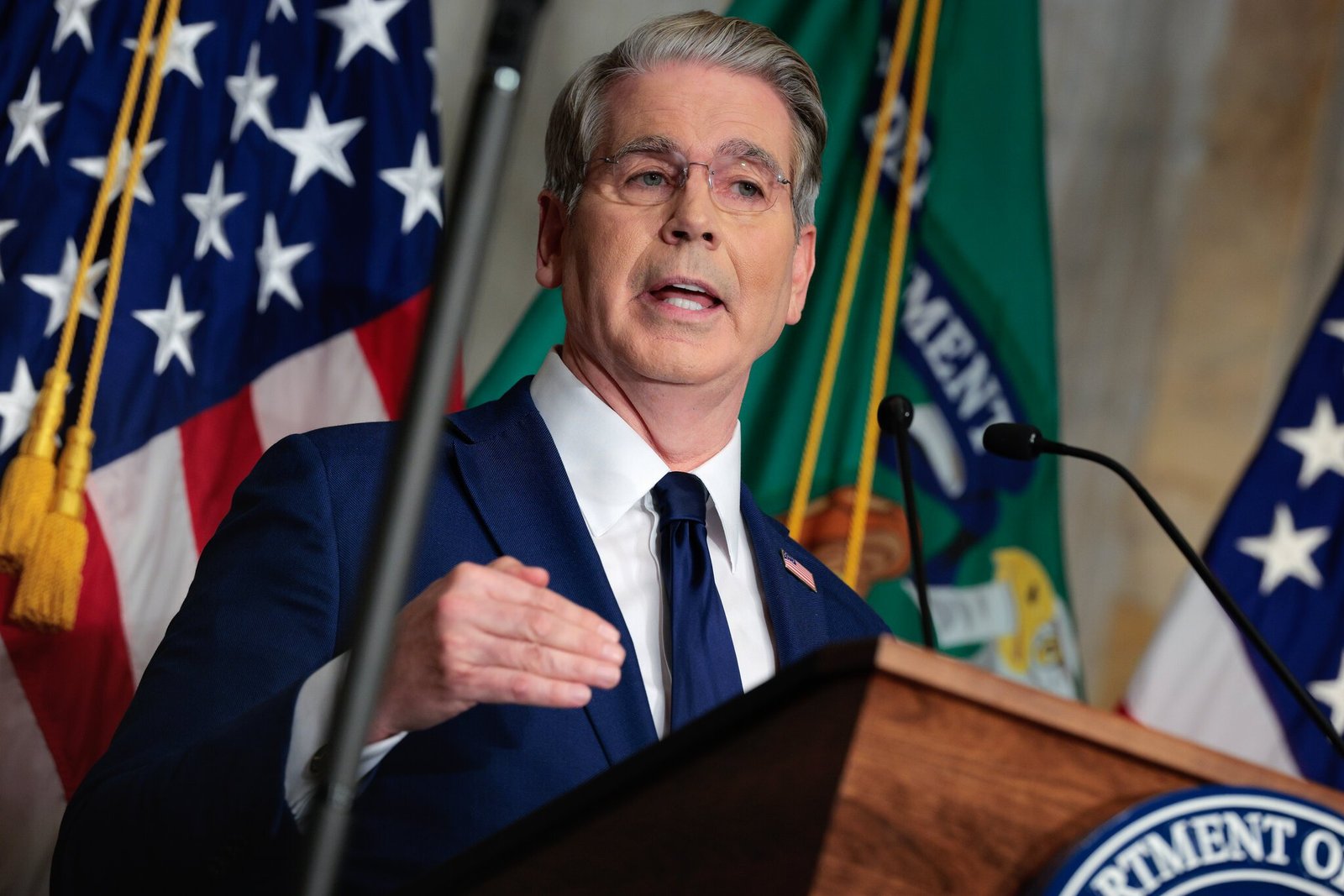
The U.S. administration, led by President Donald Trump and Treasury Secretary Scott Bessent, has announced a major secondary sanctions push dubbed “Operation Economic Outcast” (or “Economic D-Day”), aimed at isolating Iran from the global economy.
Nearly six months into a regional conflict that began in late February 2026, Washington is shifting toward financial warfare to cut off Tehran’s revenue streams, targeting digital assets, technology, gold, aviation, and shipping. The Treasury has penalized nearly 60 individuals, companies, and vessels linked to Iranian energy sales, weapons procurement, and cyber operations.
Overview of Iran’s Major Trading Partners & Potential Impact
| Trading Partner | Economic & Trade Relationship | Response to U.S. Sanctions & Pressure |
| China |
• Largest trading partner (~$10B reported non-oil trade in 2025). • Purchases ~90% of Iranian crude oil exports (~1.38 million barrels/day). |
• Opposes unilateral U.S. sanctions and vows to protect national interests. • Uses independent refiners, off-system intermediaries, and non-dollar settlements. |
| United Arab Emirates (UAE) | • Historical transshipment and trading hub (~$28B trade in 2024). | • Suspended all commercial exchanges and financial transactions with Iran following missile attacks near UAE territory. |
| Turkey | • Major consumer of Iranian natural gas and exporter of manufactured goods (~$5.7B trade in 2024). | • Maintains energy reliance (Iranian gas accounts for ~18.6% of Turkey’s imports); has not signaled an intent to completely cut ties. |
| Iraq | • Heavily dependent on Iranian gas and electricity imports (~$10B trade in 2025). | • Pays $4B–$5B annually for Iranian energy; faces severe risk if Washington restricts energy payment clearances. |
| India | • Bilateral trade stood at ~$1.6B (ending March 2026), primarily consisting of rice, tea, sugar, and pharmaceuticals. | • Had resumed limited crude oil imports from Iran earlier in 2026 during a temporary U.S. waiver, but faces renewed risks under stricter secondary enforcement. |
Key Takeaways
-
Direct Warning to Allies & Enablers: Treasury Secretary Scott Bessent warned that any foreign entity or institution that facilitates money laundering or oil sales on behalf of Iran risks being barred from the U.S. dollar system.
-
Economic Impact inside Iran: Following the threat of expanded isolation, the Iranian rial hit a record low of 2.02 million rials to the U.S. dollar in parallel currency markets.
Next Steps & Official Information
-
To read official U.S. policy announcements regarding global sanctions and financial enforcement, visit the U.S. Department of the Treasury Office of Foreign Assets Control (OFAC).
-
For updates on international trade statistics and bilateral policy measures, consult the Ministry of Commerce and Industry (India).
