

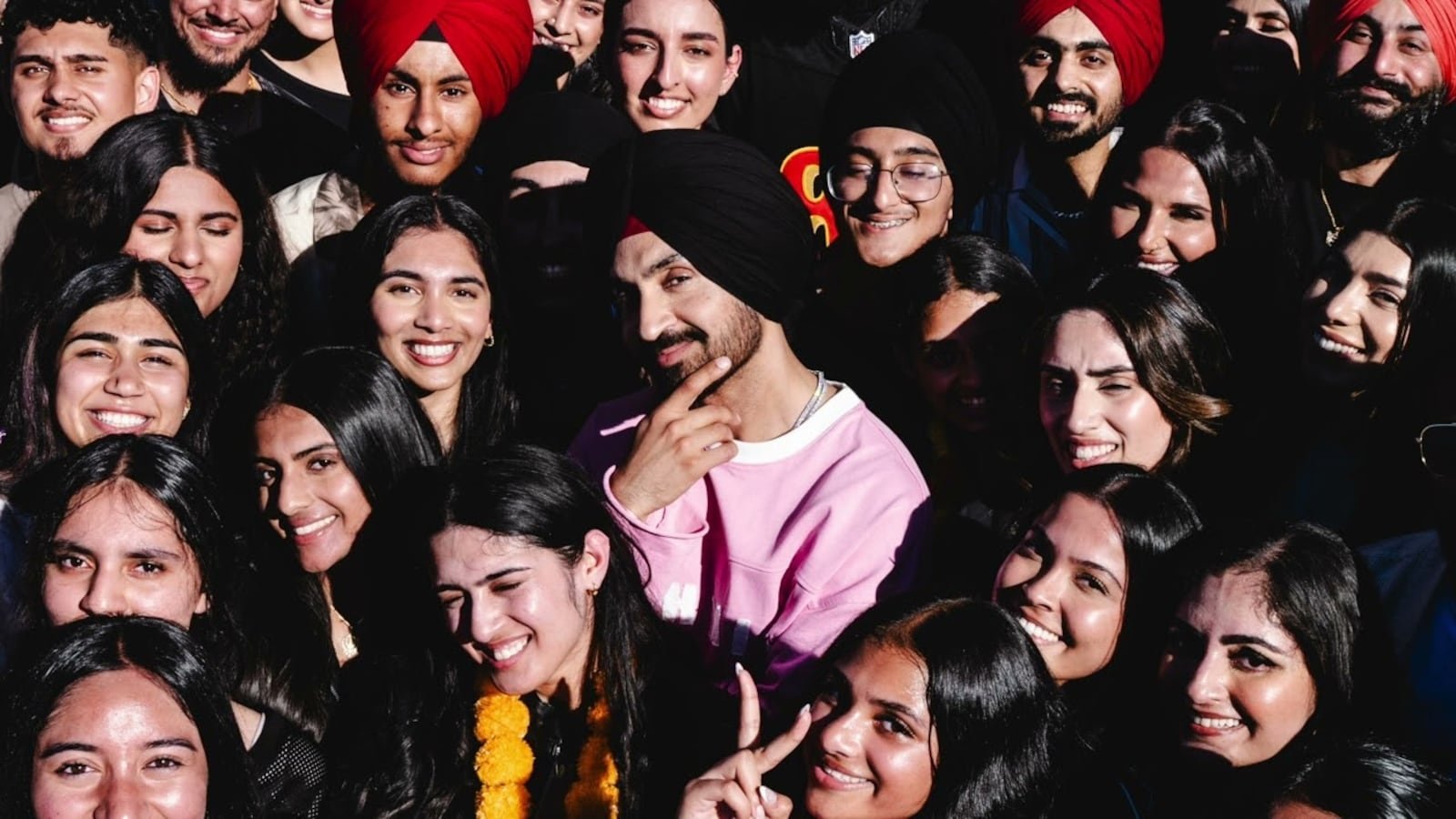
Global Punjabi superstar Diljit Dosanjh has found himself at the center of a growing controversy as his latest track, Aroma, faces intense backlash online. While the song was originally released on April 23, the debate surrounding its lyrics surged significantly on June 1, coinciding with the beginning of global Pride Month, as listeners and queer creators began dissecting a specific verse.
The core of the criticism centers around lyrics that allegedly use a derogatory trans slur to glorify traditional masculinity at the expense of the transgender and queer communities.
Key Takeaways from the Backlash
-
The Catalyst: The track went largely unnoticed by mainstream critics upon release, but deep-dives into the Punjabi-to-English translations by content creators sparked viral discussions online.
-
The Accusation: Activists and listeners argue that the track attempts to elevate conventional notions of manhood by framing the queer community as a symbol of weakness.
-
Industry Irony: Critics are pointing out the irony of using exclusionary language while working in an entertainment ecosystem heavily shaped and supported by queer professionals and fans.
What Content Creators Are Saying
The dialogue quickly migrated across platforms, starting on Instagram before gaining traction on X (formerly Twitter). Creators have expressed deep disappointment, particularly given Diljit’s reputation as an inclusive, globally progressive artist.
Faith Michael (Content Creator): “The queer community did not expect this from you… I translated the whole song. So apparently the song is about celebrating the idea of traditional masculinity and the best way to glorify masculinity is by putting the queer community down. He’s working in the entertainment industry which is built, shaped and sustained by countless queer people… being a chakka or hijra is not the same as being weak.”
Other digital creators echoed these sentiments, pointing out the hurt felt by Diljit’s massive queer fanbase. “We expected a little more from you,” noted another creator in a viral video, highlighting that selective silence or oversight during the songwriting process sends a damaging message to marginalized communities.
Current Status
As the online discourse continues to amplify under Pride Month hashtags, Diljit Dosanjh has not yet issued an official statement or clarification regarding the track’s lyrical intent.
Historically, mainstream music has occasionally relied on regional colloquialisms that carry deeply rooted prejudices without the artist necessarily intending malice. However, as Indian pop culture pushes further into international spaces, fans are increasingly holding artists accountable for ensuring their vocabulary reflects modern standards of respect and inclusivity.
