

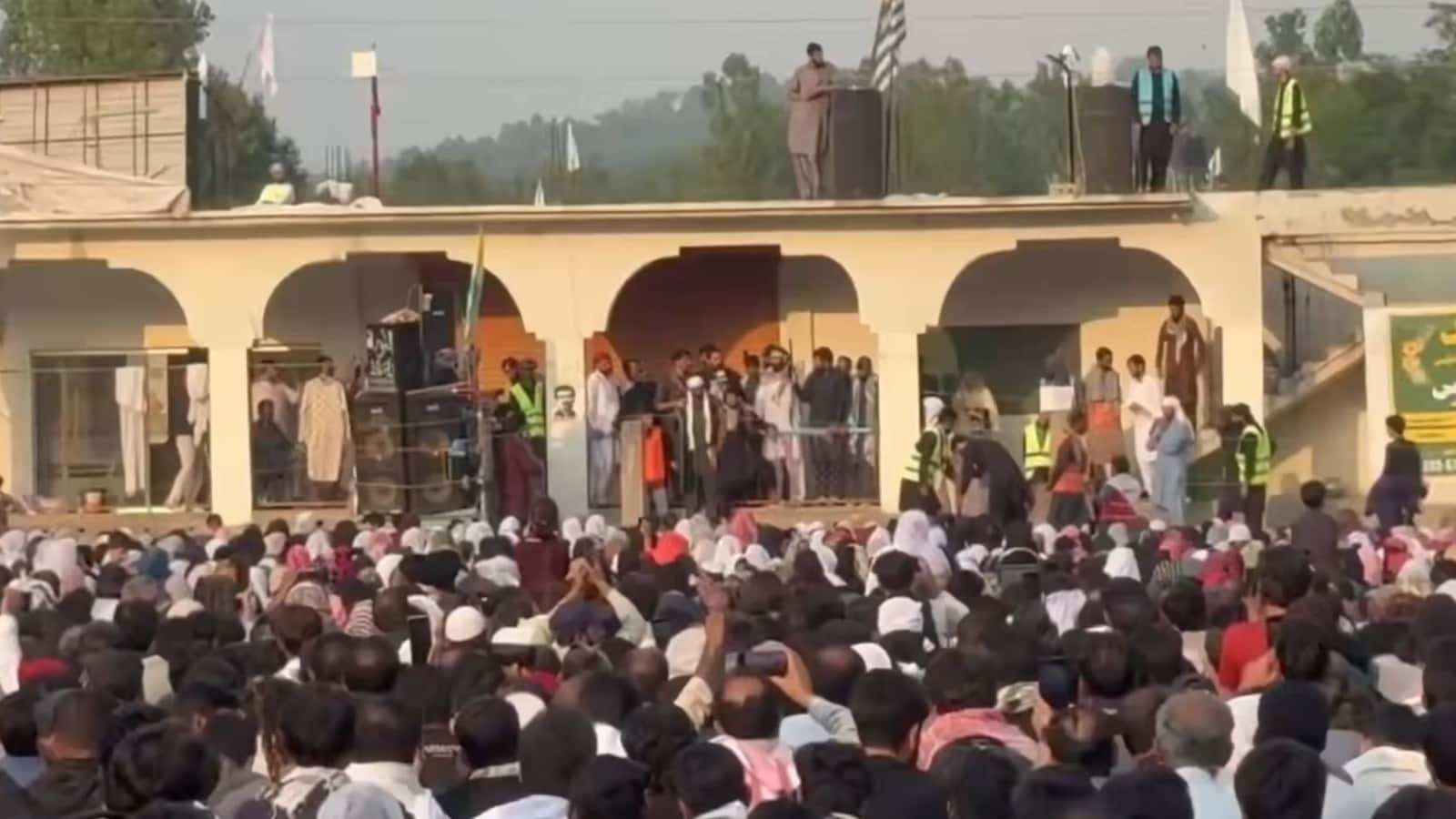
A massive wave of anti-Islamabad dissent has taken hold in Pakistan-occupied Kashmir (PoK). As demonstrations in Rawalakot entered their 22nd consecutive day on Tuesday, thousands of protesters openly rejected Pakistani authority, with leadership threatening to seek direct engagement and humanitarian assistance from India if Islamabad’s heavy-handed tactics continue.
Key Drivers of the Unrest
The protests, which have drawn thousands to the Eidgah Ground in Rawalakot, are rooted in deep-seated structural issues that have plagued the region for decades:
-
Economic Strangulation: Local populations are reeling from crippling inflation, severe economic hardship, and systemic administrative neglect.
-
The Food Blockade: The movement gained significant momentum after Pakistani authorities imposed a two-week blockade on food supplies and essential commodities entering the territory.
-
Information Blackout: In an attempt to stifle communication and keep the unrest from the global spotlight, an internet blackout has been enforced by authorities since June 5.
Shifting Geopolitical Rhetoric: Looking Toward New Delhi
The rhetoric from protest leaders marks a sharp, highly sensitive departure from the regional status quo. Civil rights activist Sardar Aman Khan, who is spearheading the movement, openly challenged Pakistan’s sovereignty over the area.
“Pakistan-occupied Kashmir is not a part of Pakistan. Pakistan needs this region more than we depend on Pakistan.” — Sardar Aman Khan, Civil Rights Activist
With a separate, concurrent sit-in underway near the Line of Control (LoC) since June 9, Khan issued a stark warning to Islamabad: if the blockade on food and medical necessities is not lifted, the people of the region may cross political thresholds to seek humanitarian aid from India. Protesters argue that such a move would fundamentally shatter the region’s existing political dynamics, leaving Islamabad completely isolated on its Kashmir narrative.
Defiance Against the Military Establishment
The demonstrations have also taken a sharp turn against Pakistan’s powerful military apparatus. On-ground footage and local reports indicate that residents have explicitly rejected Pakistan Army Chief General Asim Munir, chanting slogans stating they will no longer tolerate “dictatorial” rule or state repression.
The movement is no longer confined to local borders. The PoK diaspora has begun organizing solidarity protests outside Pakistani diplomatic missions in several countries worldwide. Leadership on the ground maintains that the agitation will not cease until their core political and economic objectives for Muzaffarabad and the wider region are fully met.
