

1. Core Remarks & Ecological Framing
-
Redefining Relations: Speaking at the NDTV World Anviksha Summit in Kathmandu, Nepal Foreign Minister Shishir Khanal emphasized that bilateral ties with India must expand beyond traditional civilisational and cultural links (Roti-Beti, Sita-Ram) to encompass shared ecological survival.
-
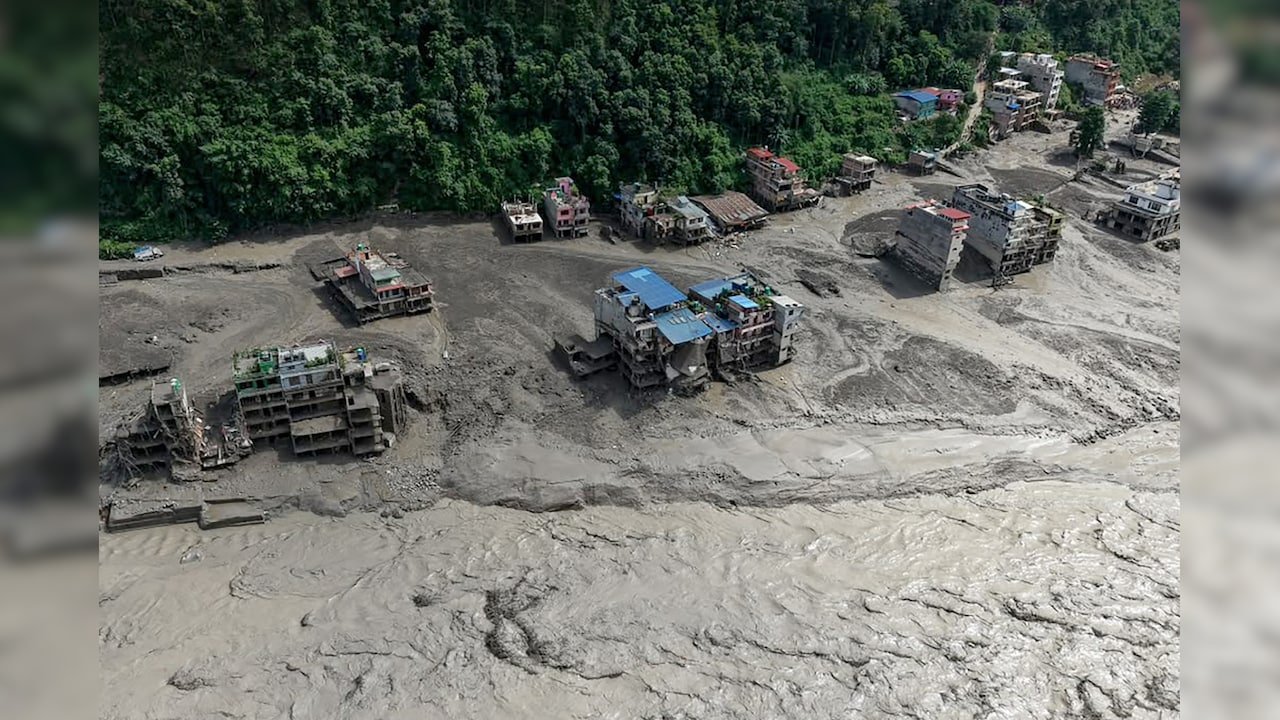
The Himalayan Threat: Highlighting recent devastating flash floods caused by a glacial/border burst between Nepal and China, Khanal warned: “What melts in the Himalayas rises in the sea.”
2. Regional Cooperation & Geopolitical Realignment
-
Four-Nation Ecological Union: Khanal urged India, China, Nepal, and Bhutan to set aside political rivalries and cooperate closely, as their shared survival depends on safeguarding the Himalayan ecosystem.
-
Vulnerability to Two Billion People: The minister cautioned that ongoing environmental degradation and glacier melting pose a direct civilisational threat, potentially disrupting freshwater security for 2 billion people across the region.
3. Cross-Border River Risks & Impact
-
Border Alarms: Wednesday’s sudden flash floods in the Nepal-China border region triggered high alerts among state administrations in Uttar Pradesh and Bihar, given their heavy reliance on transboundary rivers like the Gandak (Narayani) and Kosi flowing down from the Himalayas.
-
Past and Future Precedents: While the latest surge bypassed major downstream impacts in India, Khanal noted that destructive cross-border flooding is a recurring systemic risk that demands permanent institutional coordination.
