

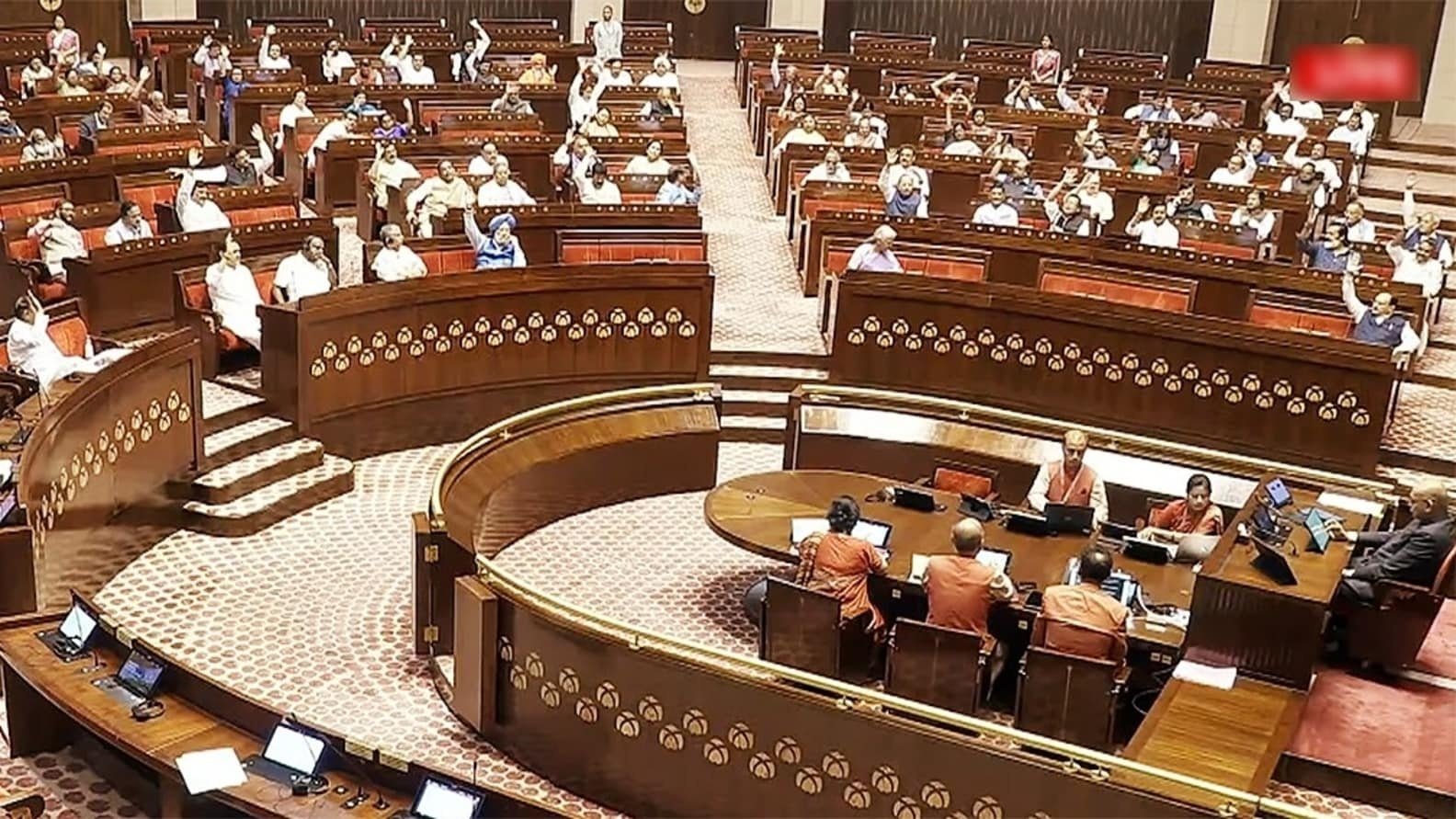
The Monsoon Session of Parliament wrapped up on Wednesday, leaving a stark contrast between legislative output and parliamentary debate. While 12 bills cleared both Houses, the session was marred by frequent disruptions, protests, and adjournments that significantly curtailed meaningful discussion.
Legislative Work vs. Quality of Debate
Government data highlights a major gap between the volume of legislation passed and the time spent debating it:
-
12 Bills Passed: Covered key sectors including taxation, tribunals, mining reforms, cooperative development, and expanding the sanctioned strength of the Supreme Court.
-
Minimal Discussion: Out of the 12 bills passed by the Lok Sabha, 11 were passed without discussion.
-
The Exception: Only the Public Examinations (Prevention of Unfair Means) Amendment Bill, 2026 saw detailed debate.
-
Pending Business: Just one bill, the Indian Statistical Institute Bill, 2026, remained pending by the session’s close.
Session Productivity at a Glance
Protests and walkouts by Opposition parties led to historically low productivity metrics across both Houses:
| Metric | Lok Sabha | Rajya Sabha |
| Productivity Level | ~19% | ~39% (37 hrs, 49 mins) |
| Starred Questions Answered | 16 answered out of 285 listed | — |
| Zero Hour Submissions | 52 accommodated out of 380 | — |
| Special Mentions | 93 debated out of 380 | — |
While the Congress and key Opposition groups staged walkouts during several proceedings, some regional parties continued to participate in Rajya Sabha debates, enabling the government to clear all pending legislation in the Upper House.
Centre Blames Congress for the Stalemate
Addressing the press after Parliament was adjourned sine die, Parliamentary Affairs Minister Kiren Rijiju expressed dissatisfaction with the lack of debate, directly blaming the principal Opposition party.
“A total of 12 bills were passed, but we are not satisfied with the quality of discussion because the Opposition did not allow proper debate to take place, especially in the Lok Sabha.”
— Kiren Rijiju, Parliamentary Affairs Minister
Rijiju noted an unusual reversal of roles during this session, stating that the government actively sought discussions while the Opposition sought reasons to avoid them. He also expressed concern for newly elected MPs who missed critical opportunities to learn through active parliamentary participation.
Looking Ahead
As the session—which ran from July 20 to August 13—comes to an end, the confrontation moves beyond Parliament. While the ruling government points to the 12 passed bills as proof of productivity despite hurdles, Opposition leaders counter that key national concerns were bypassed without discussion. The political standoff is expected to carry over into the upcoming Winter Session.
