

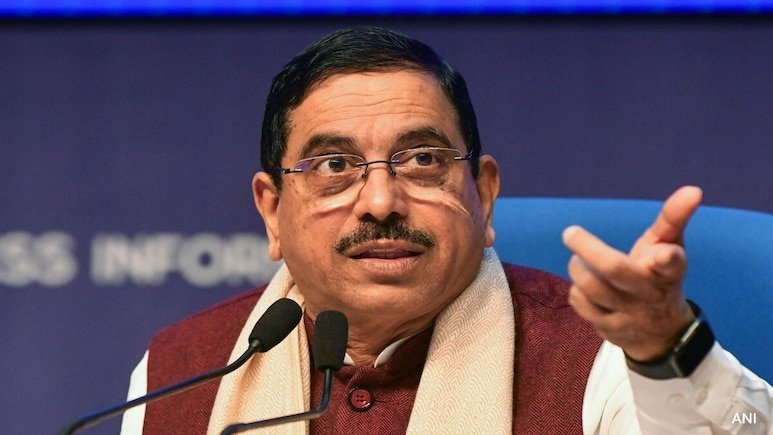
In a major legislative move aimed at overhauling India’s competitive examination framework, the Lok Sabha passed the Public Examinations (Prevention of Unfair Means) Amendment Bill, 2026. The legislation introduces stringent penalties, including double jail terms and multi-crore fines, designed to dismantle organized cheating networks and restore public faith in national entrance tests.
Union Minister Pralhad Joshi, who recently took charge of the Ministry of Education following the resignation of Dharmendra Pradhan, stated that the bill introduces a comprehensive legal framework to ensure transparency, accountability, and speedier justice for millions of aspirants.
Key Legislative Provisions: Heavy Fines and Fast-Track Trials
The newly passed amendment substantially raises the cost of compromise for paper leaks and examination fraud across every level of the ecosystem:
-
Stricter Penalties for Offenders: The maximum prison sentence for individuals and syndicates involved in leaking exam papers has been doubled to 10 years, accompanied by monetary fines of up to ₹10 crore for organized crime.
-
Service Provider Accountability: Test-conducting agencies, technology partners, printing presses, and venue managers face penalties of up to ₹5 crore, mandatory recovery of examination costs, and an 8-year debarment from conducting future public exams.
-
Corporate Executive Complicity: Senior officers, directors, and executives of service providers found complicit in malpractice face a minimum of 5 years imprisonment alongside heavy personal fines.
-
Time-Bound Adjudication: The bill mandates that state governments establish Special Fast-Track Courts to conduct day-to-day trials. Investigations led by a newly provisioned Special Task Force (STF) must be completed within two months, with judicial trials concluded within three months of chargesheet filing.
High-Stakes Youth Agitation Forces Government Hand
The passage of the bill follows weeks of nationwide student unrest spearheaded by the Cockroach Janata Party (CJP)—a youth-led political movement that mobilized widespread anger over exam cancellation and paper leak scandals.
Protests reached a tipping point in mid-July when thousands of demonstrators marching toward Parliament from Jantar Mantar clashed with law enforcement, prompting tear gas and baton charges.
Facing intense political pressure, the central government conceded to three primary demands put forth by student representatives:
-
Ministerial Accountability: Former Education Minister Dharmendra Pradhan stepped down from his cabinet position.
-
Case Withdrawals: The Centre agreed to drop all criminal charges and police cases registered against student protesters across the country.
-
Compassionate Compensation: Financial relief was approved for the families of NEET aspirants who tragically died by suicide during the recent exam crisis.
Road Ahead: Implementation and Vigilance
While the CJP temporarily paused its street demonstrations after the Centre agreed to these core terms, movement leaders cautioned that protests could resume if the promised administrative steps and compensation disbursements face delays.
Speaking on the floor of the House, Minister of State Dr. Jitendra Singh emphasized that the 2026 Amendment reflects the government’s unwavering commitment to safeguarding the merit system and the future of India’s youth. The bill now awaits passage in the Rajya Sabha and presidential assent before being officially notified into law.
