

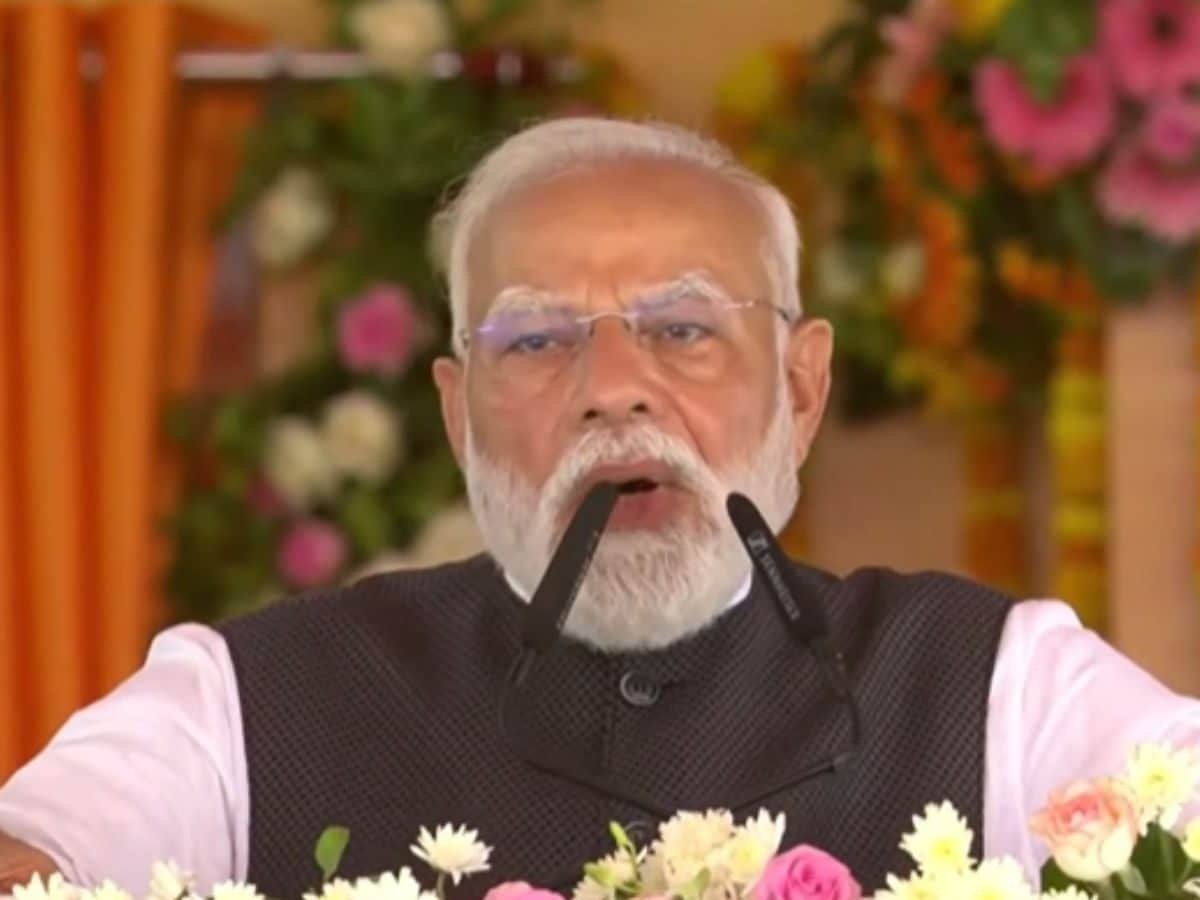
In a landmark shift toward “national responsibility,” Prime Minister Narendra Modi has ordered a 50% reduction in his official security convoy. This move serves as the spearhead for a broader administrative austerity drive designed to insulate India from the economic fallout of the US-Iran war and the subsequent closure of the Strait of Hormuz in March 2026.
Beyond reducing the number of vehicles, the Prime Minister has directed the Special Protection Group (SPG) to transition the carcade to Electric Vehicles (EVs). To ensure fiscal discipline, a strict mandate forbids the purchase of new units; the transition must be managed using existing inventory.
A Nationwide Shift in Governance
The Prime Minister’s directive has triggered immediate ripple effects across the central government and several major states:
-
Union Home Ministry: Amit Shah has already implemented a 50% cut to his official motorcade.
-
Uttar Pradesh: CM Yogi Adityanath has mandated a 50% fleet reduction and encouraged public representatives to utilize public transport at least once a week.
-
Delhi: CM Rekha Gupta announced that the cabinet will prioritize public transport and operate with minimal vehicle support.
-
Maharashtra: CM Devendra Fadnavis has placed strict restrictions on non-essential air travel for all state ministers.
-
Rajasthan & Madhya Pradesh: CMs Bhajan Lal Sharma and Mohan Yadav have stripped their convoys down to essential security only.
The “Seven Appeals” to Citizens
The government’s internal cuts are intended to set a precedent for a new “National Responsibility” framework. PM Modi has called on citizens to adopt seven specific measures to safeguard India’s economic resilience:
-
Gold: Postpone non-essential gold purchases for one year to protect foreign exchange reserves.
-
Travel: Prioritize domestic tourism and avoid “destination weddings” or vacations abroad.
-
Transport: Embrace carpooling, EVs, and public transport to lower petroleum demand.
-
Work Culture: Re-institute work-from-home models where possible to conserve energy.
-
Local Consumption: Pivot toward Indian-made goods to decrease the national import bill.
-
Energy Conservation: Scale up adoption of the PM Surya Ghar scheme and reduce electricity waste.
-
Shared Patriotism: View these lifestyle adjustments as a modern act of service to the nation.
Economic Underpinnings
The urgency behind these measures is driven by a volatile global market. With Brent crude soaring past $120 per barrel and India’s annual gold import bill hitting a staggering $72 billion, foreign exchange conservation has been elevated to a matter of national security. By curbing discretionary consumption, the government seeks to ensure that vital resources remain available for essential imports like food and industrial energy.
