
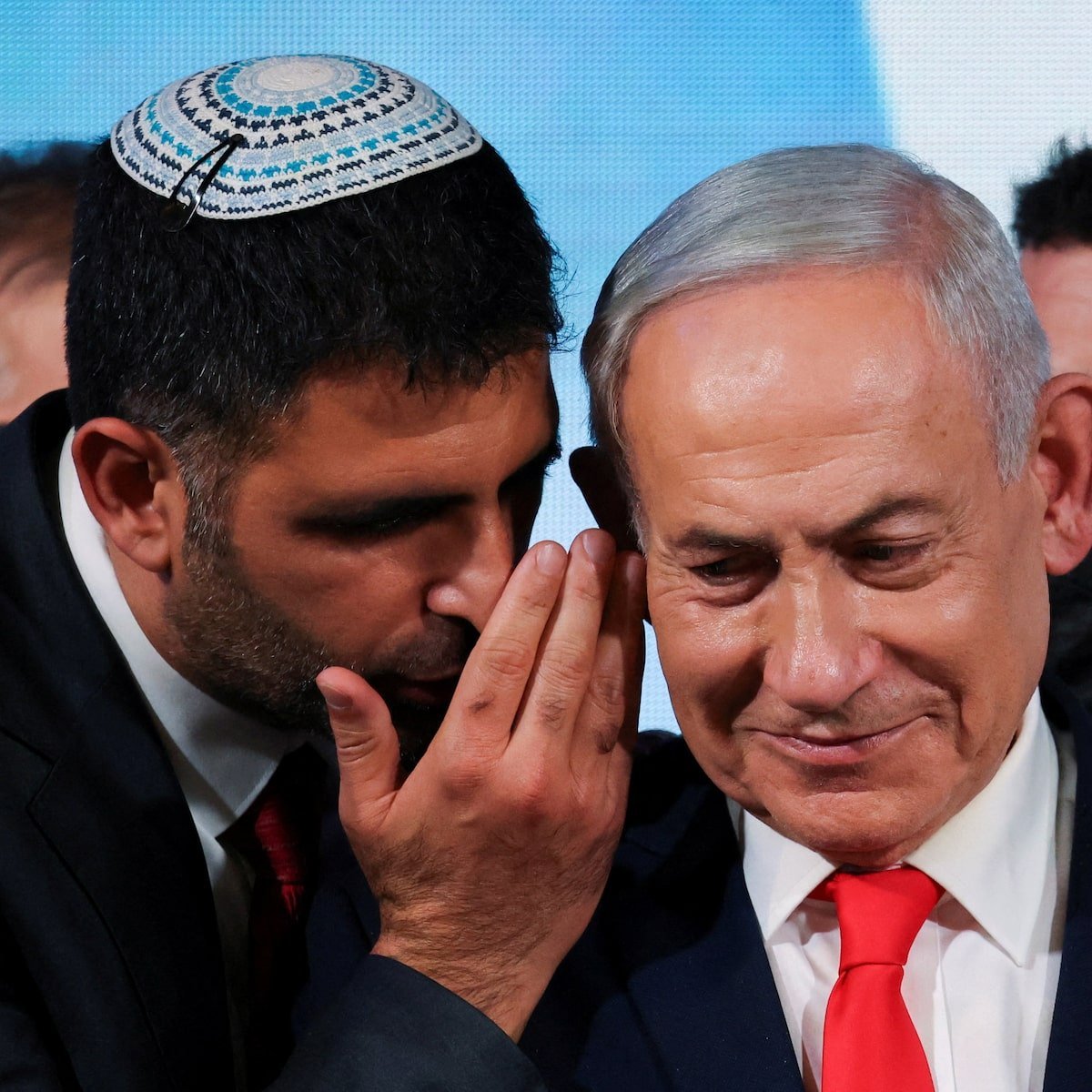
Preliminary results and post-election counts from the October 27, 2026 Israeli legislative election point to a deep political stalemate. Neither the incumbent Prime Minister Benjamin Netanyahu (Likud) nor challenger Gadi Eisenkot (Yashar) has secured the 61-seat majority required in the 120-member Knesset to form a government independently.
With both mainstream Jewish political blocs falling short, the Arab-led parties—representing Palestinian citizens of Israel—have recorded unprecedented gains and hold the decisive swing votes.
1. Electoral Snapshot & Turnout
-
Turnout: Reached 77.7%, marking the highest voter participation rate in an Israeli general election since 1999.
-
Arab Turnout Surge: Driven by mobilization against high-profile political exclusion and socio-economic policies, turnout in Arab-majority cities crossed 75%.
Current Seat Projections (Knesset Total: 120 | Majority: 61)
| Political Alignment / Bloc | Key Figures / Parties | Projected Seats (75%+ Counted) |
| Pro-Netanyahu Bloc | Likud, Shas, UTJ, Otzma Yehudit, Religious Zionism | 54 – 57 Seats |
| Anti-Netanyahu / Opposition | Yashar (Eisenkot), Together (Bennett), The Democrats, Yisrael Beytenu | 47 – 51 Seats |
| Arab-Led Parties (Kingmakers) | Joint List (Hadash-Ta’al) & Ra’am (Mansour Abbas) | 17 – 19 Seats |
2. Strategic Dilemma for Mainstream Blocs
Netanyahu’s Stance
-
Rejection of Arab Alliance: Netanyahu campaigned heavily on a right-wing platform (“Right or Palestine”), explicitly ruling out any coalition deal or reliance on Arab-led parties to secure his premiership.
-
Coalition Strategy: Seeking to consolidate hardline right-wing and ultra-Orthodox religious factions to reach the majority threshold or force secondary negotiations.
Eisenkot’s Preconditions
Eisenkot has signaled potential open communication, but set stringent terms that create major negotiation friction:
-
Formal recognition of Israel as a Jewish and democratic state.
-
Acceptance of the principles of the Israeli Declaration of Independence.
-
Support for conscription requirements for Arab citizens.
-
Unambiguous condemnation of Hamas.
3. The Arab Parties’ Negotiating Positions
-
Mansour Abbas (Ra’am): Advocating an “influence over representation” framework. Having previously joined the Bennett-Lapid coalition (2021–2022), Abbas remains open to pragmatic negotiations to oust the far-right leadership and secure infrastructure, housing, and civil rights budget allocations.
-
Amjad Shbita (Joint List / Hadash): Demands parity in discussions, declaring that Eisenkot cannot unilaterally dictate conditions. The Joint List focuses on dismantling systemic discrimination, repealing key aspects of the 2018 Nation-State Law, and achieving equal civil rights.
4. Coalition Scenarios Ahead
-
Eisenkot–Arab Backed Coalition: Requires Eisenkot to strike an agreement with Ra’am or secure outside confidence-and-supply support from the Joint List, risking backlashes from his right-leaning secular allies (e.g., Avigdor Lieberman’s Yisrael Beytenu).
-
Grand Unity Government: Pressure may mount for a power-sharing unity government between Likud (Netanyahu) and Yashar (Eisenkot) to bypass the Arab parties altogether, though negotiating the Prime Minister rotation agreement remains a major obstacle.
-
Fifth Repeat Election: If coalition negotiations stall past the statutory mandate period, Israel could face yet another snap election cycle.
