

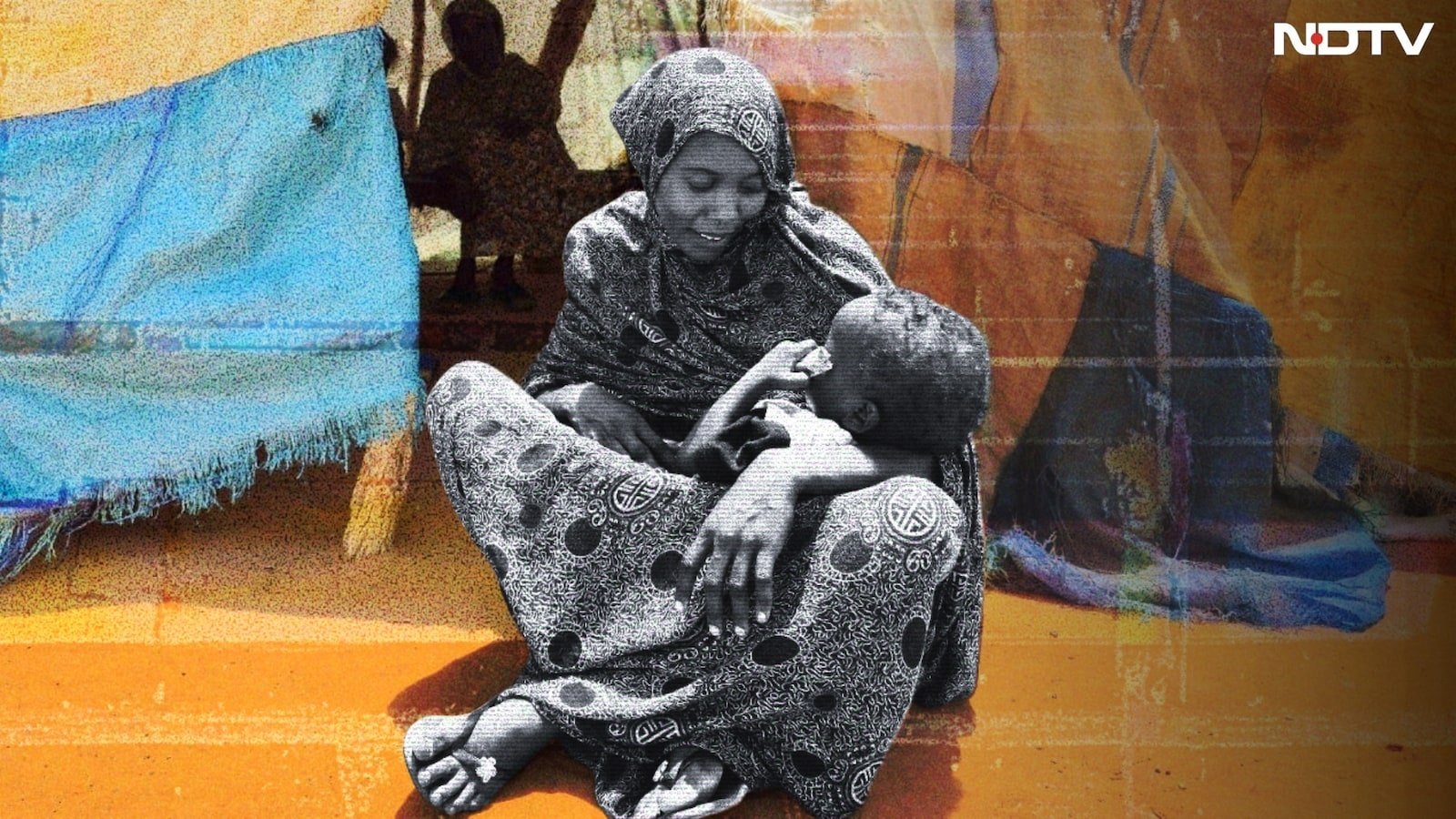
The strategic city of El Obeid, a crucial transport and logistics hub in Sudan’s North Kordofan region, is facing an imminent humanitarian catastrophe. The paramilitary Rapid Support Forces (RSF) have tightened a suffocating, months-long siege, escalating drone strikes and artillery shelling ahead of an anticipated ground offensive.
Human rights groups and international experts are sounding frantic alarms, warning that the RSF is poised to replicate the “genocide-like” mass atrocities it carried out during its brutal takeover of El Fasher.
The Scale of Sudan’s Devastating War
Since April 2023, the war between the Sudanese Armed Forces (SAF) and the RSF has plunged the nation into what the United Nations classifies as the world’s largest displacement and hunger crisis.
-
Displacement: More than 11 million people have been forced from their homes.
-
Civilians at Risk: Nearly 500,000 civilians are currently trapped inside the encircled parameters of El Obeid.
-
Global Lethality: Data from ACLED ranks the RSF as the deadliest non-state armed group globally for civilian fatalities. In the first 11 months of 2025 alone, the group was responsible for over 4,200 documented civilian deaths—accounting for 11% of all non-state actor fatalities worldwide.
The Precedent of El Fasher
The intense panic surrounding El Obeid is driven entirely by the horrifying blueprint left behind in El Fasher. A UN Independent International Fact-Finding Mission concluded that the RSF’s actions there were not random excesses of war, but a highly coordinated, organized operation bearing the distinct traits of genocide.
Former Executive Director of Human Rights Watch, Kenneth Roth, emphasized the deliberate nature of these attacks to NDTV:
“The RSF’s modus operandi has been not simply to take territory when it can but also to massacre civilians of Black African ethnic groups there whom it sees as opponents. Civilians are entirely vulnerable because they are not simply the unfortunate collateral victims of fighting but a deliberate target of the RSF.”
Global Passivity and Complicity
A coalition of international rights groups—including Amnesty International and the Global Centre for the Responsibility to Protect—has urgently petitioned the UN Human Rights Council for an emergency session to intervene before the ground assault begins.
A central point of international outrage is the geopolitical shield protecting the conflict’s primary external sponsor: The United Arab Emirates (UAE).
On the UAE’s Role: Experts accuse Abu Dhabi of actively aiding and abetting these international crimes by supplying the RSF with weapons, logistical hardware, and mercenaries. Critics argue that global powers routinely choose silence and refuse to exert economic pressure on the wealthy Gulf nation, effectively sacrificing African lives for financial and political expendability.
From Janjaweed to the RSF
The roots of the RSF explain its current structural brutality. The group originated in the early 2000s when former Sudanese President Omar al-Bashir armed Arab militias, known as the Janjaweed, to ruthlessly crush rebellions in Darfur.
In 2013, these militias were formally reorganized into the Rapid Support Forces under the leadership of Mohamed Hamdan Dagalo, universally known as Hemeti. Granted official military status, financial independence, and direct control over lucrative Darfur gold mines, the militia evolved over a decade into a parallel army—before turning its arsenal against the state and its own citizens.
