

In a major administrative move following nearly a month of intense public outcry, Jharkhand Chief Minister Hemant Soren announced the complete cancellation of the Jharkhand Staff Selection Commission-Combined Graduate Level (JSSC-CGL) examination, alongside all other tests administered by third-party agency TSR Data Processing Private Limited (TDPL).
The decision marks a massive milestone for thousands of job aspirants across the state, but it has simultaneously ignited a complex legal and administrative crisis.
The 24-Day Agitation and the Midnight Breakthrough
The decision came on August 17, 2026, following a special Cabinet meeting convened by the state government. For 24 days, thousands of students had gathered in Ranchi to voice grievances over alleged systemic paper leaks, widespread procedural irregularities, and severe delays in government recruitment.
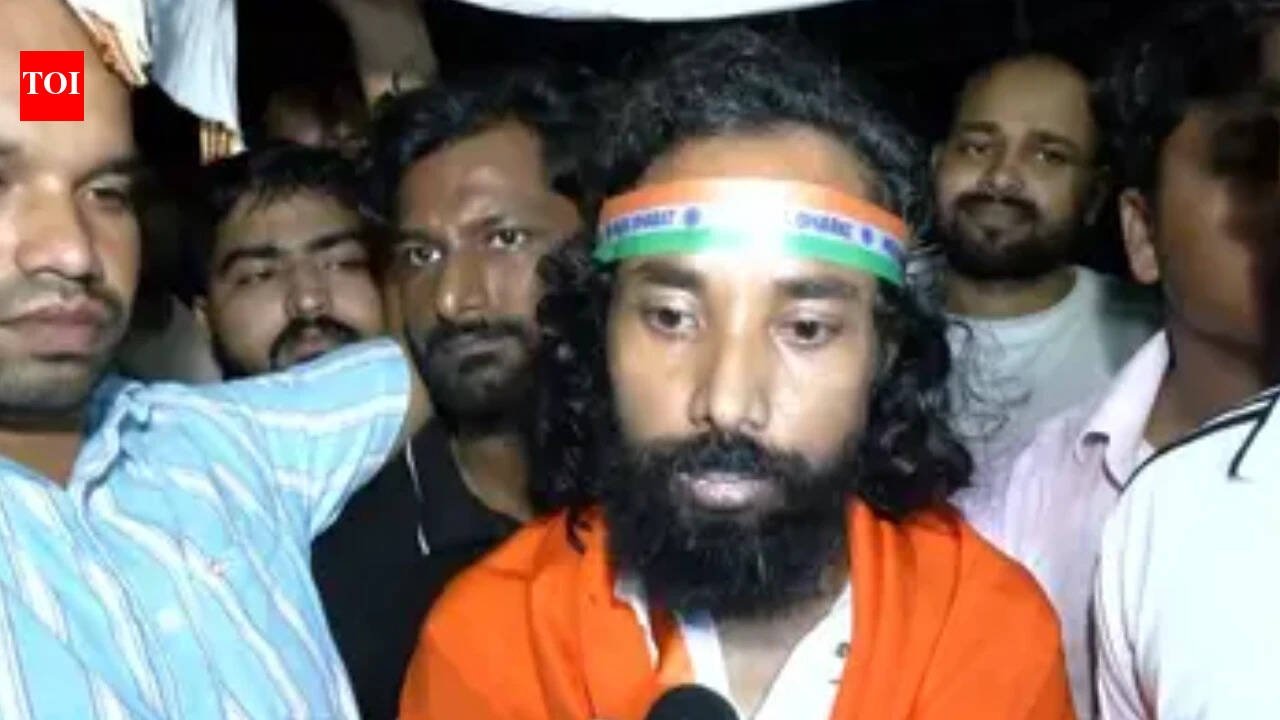
The movement reached its peak when prominent student activist Devendra Nath Mahto launched an indefinite hunger strike. Mahto, who fasted for 16 days, called off his hunger strike at Sadar Hospital late Monday night after state ministers delivered the cabinet’s official verdict.
The Cabinet’s decision includes:
-
Mass Examination Cancellation: The scrap of the JSSC-CGL examination and 14 other recruitment tests linked to agency TDPL.
-
Blacklisting & Voided Appointments: The absolute voiding of all results, selections, and joining processes conducted through TDPL.
-
Systemic Probe: A comprehensive inquiry into exam conduct from 2014 to the present, overseen by the state CID alongside judicial monitoring.
-
Institutional Reform Committee: A committee led by senior IAS officer Amitabh Kaushal to overhaul the state’s recruitment mechanics and establish a leak-proof framework.
“A Victory, Not the End”: Student Leaders Push for Reform
Calling the government’s move a “historic victory for Jharkhand,” Mahto emphasized that the movement is far from over. Addressing the media, he made it clear that while his hunger strike has ended, Phase 2 of the agitation will focus on structural overhauls rather than just reactive cancellations.
Mahto noted that he plans to share a customized “blueprint” for leak-proof exam conduct directly with the government. Key demands for the next phase include mandatory third-party auditing for every examination stage, strict legal liability for private testing vendors, and potential legislative reforms to secure future exams conducted by both the JSSC and the Jharkhand Public Service Commission (JPSC).
The Flip Side: Nearly 2,000 Appointed Employees Rendered Jobless Overnight
While protesting aspirants celebrated the government’s decision at Jaipal Singh Stadium, the cancellation immediately triggered a second wave of protests outside the Jharkhand Secretariat.
Nearly 1,932 candidates who had successfully cleared the JSSC-CGL exams in previous cycles and were already appointed into government positions found themselves turned away from their workplaces. Many affected employees—who had served in their roles for months after resigning from other public and private sector positions—staged sit-ins outside government buildings.
The newly displaced employees argue that blanket cancellations penalize honest candidates alongside any alleged bad actors. They are demanding an immediate reconsideration of the sweeping cabinet order, advocating instead for targeted investigations that punish guilty individuals without stripping genuine candidates of their livelihoods.
What Lies Ahead
Jharkhand now finds itself balancing two distinct crises: meeting the demands of aspirants who insist on a clean, corruption-free hiring ecosystem, while managing the legal fallout of thousands of terminated employees threatening to take the state to court.
As the Kaushal-led committee begins gathering suggestions from students, educators, and parents, the state faces the difficult task of restoring credibility to its public sector recruitment machinery without permanently paralyzing its workforce.
