

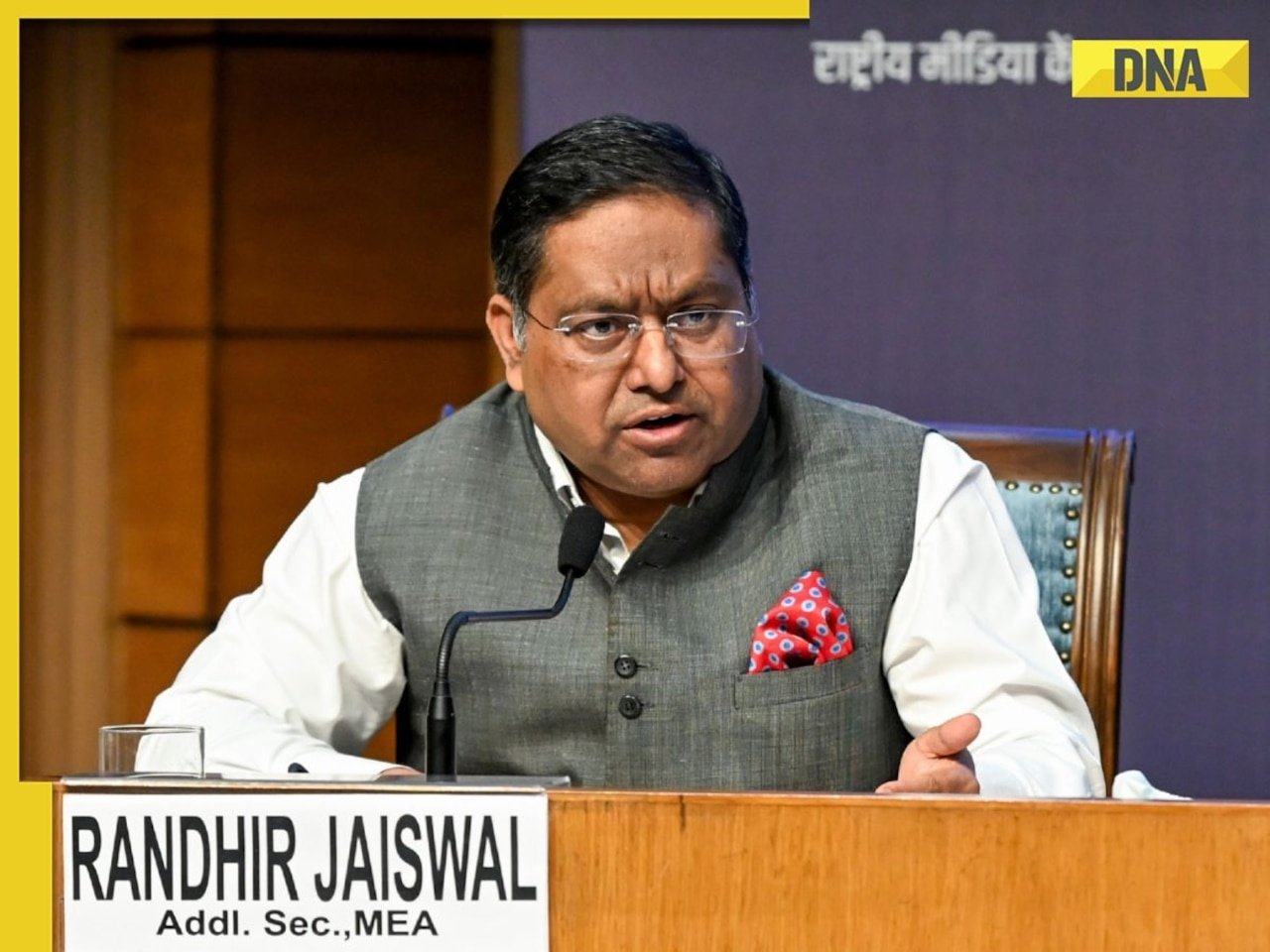
India has firmly opposed and rejected “unwarranted references” to the Union Territories of Jammu and Kashmir, and Ladakh, in a recent joint statement issued by China and Pakistan. New Delhi reiterated that these regions “have been, are and will” always remain “integral and inalienable parts” of India, asserting that no third country has the locus standi to comment on its internal matters.
Key Highlights of India’s Response
-
Rejection of Sovereignty Violations: Ministry of External Affairs (MEA) spokesperson Randhir Jaiswal strongly criticized the mention of projects under the China-Pakistan Economic Corridor (CPEC). Because several of these projects run through Pakistan-occupied Kashmir (PoK), India views them as direct infringements on its sovereignty and territorial integrity.
-
Dismissal of the 1963 Boundary Agreement: India maintained its long-standing position of never recognizing the 1963 border agreement between Beijing and Islamabad.
-
The “Trans-Boundary Water” Contradiction: Jaiswal dismissed references to “trans-boundary water resources cooperation” between China and Pakistan, pointing out the geographical reality that the two nations do not actually share a natural boundary.
Context of the Dispute
The diplomatic pushback from New Delhi was triggered by a joint statement released during Pakistani Prime Minister Shehbaz Sharif’s recent official visit to China.
The Joint Statement Claims: The document noted that Pakistan had briefed Beijing on the “latest developments” in Jammu and Kashmir. The Chinese side labeled the situation a “dispute left over from history” and stated it should be resolved via the UN Charter, UN Security Council resolutions, and bilateral agreements.
India has consistently maintained that Pakistan is in “illegal and forcible occupation” of its sovereign territory and has repeatedly conveyed its objections to both Beijing and Islamabad regarding infrastructure activities in the region.
