

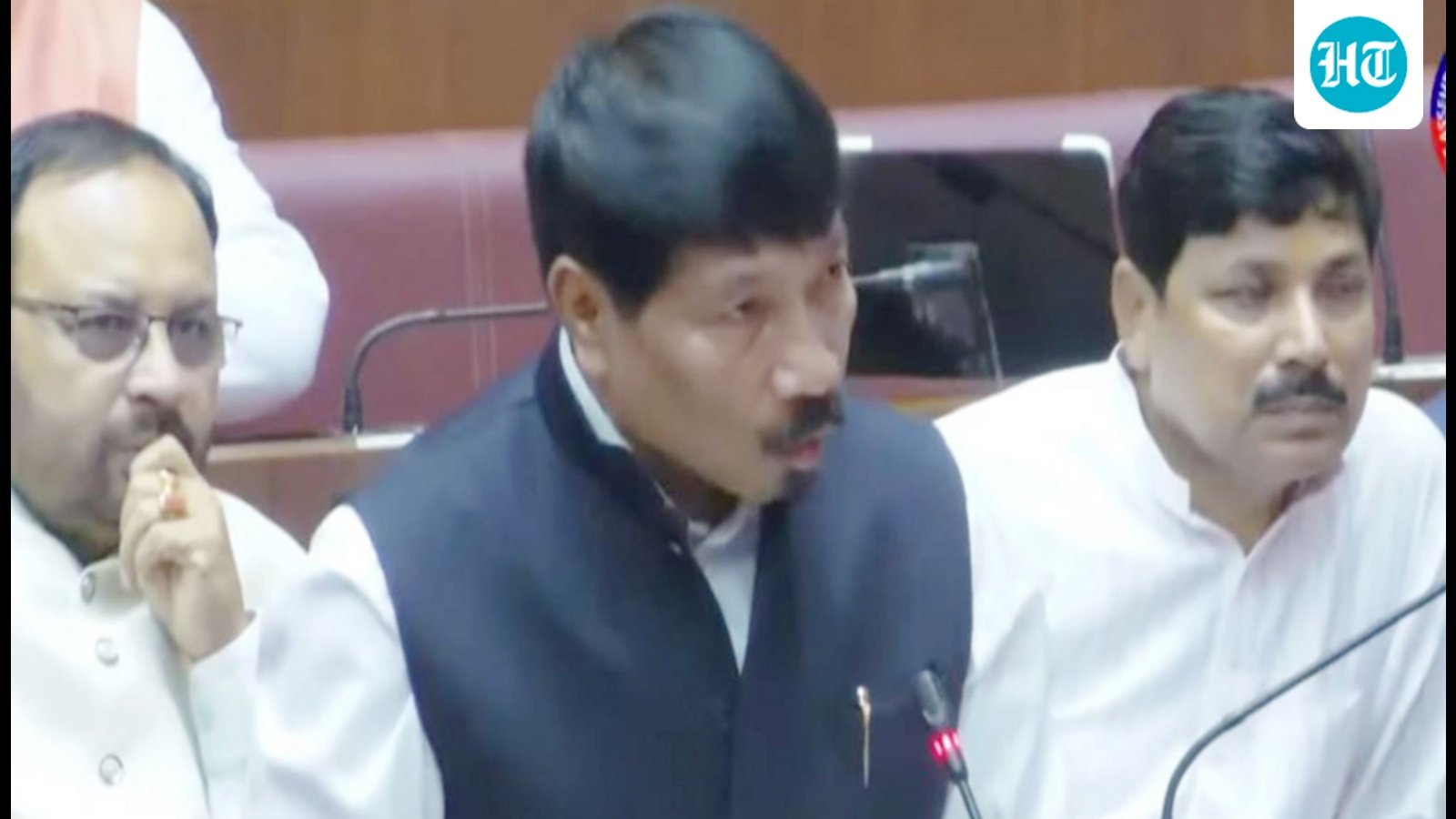
The Assam government has formally tabled the Uniform Civil Code (UCC) Assam Bill, 2026 in the state assembly. With this move, Assam becomes the third BJP-governed state to introduce legislation aimed at establishing a common set of laws for personal matters like marriage, divorce, inheritance, and succession for all citizens.
The introduction of the bill fulfills a key electoral promise made in the BJP’s manifesto ahead of the April 2026 state assembly polls. Following cabinet approval during its very first meeting on May 13, the bill is now scheduled for discussion and voting.
Key Highlights of the Assam UCC Bill
While the full text of the legislation has yet to be made public, Chief Minister Himanta Biswa Sarma has outlined the primary objectives and major exemptions of the proposed law:
-
Tribal Exemptions: In line with models adopted by Uttarakhand and Gujarat, Assam’s tribal population (both living in the hills and the plains) will be completely excluded from the purview of the UCC. Tribals make up roughly 12.45% of the state’s population.
-
Protection of Traditions: The Chief Minister emphasized that all existing religious rituals, customs, and cultural traditions will remain outside the ambit of the new law.
-
Core Regulations: The bill seeks to standardize the minimum age of marriage, legally mandate the compulsory registration of marriages and divorces, ban polygamy, recognize live-in relationships, and safeguard women’s rights to family property.
The Broader Political Landscape
The push for a Uniform Civil Code is rooted in Article 44 of the Indian Constitution (Directive Principles of State Policy), which advocates for a common civil code across the country.
Historically, individual religion-based personal laws have governed these matters since Independence. A nationwide UCC represents one of the BJP’s core, long-standing ideological goals.
Timeline of State-Level UCC Implementation
Demographic Context: According to the 2011 census, Assam has a unique demographic mix, with Muslims comprising 34.22% of the population and Scheduled Tribes accounting for 12.45%. Given the state’s diverse socio-religious fabric, the bill is expected to spark intense debate in the assembly before it is put to a final vote.
