

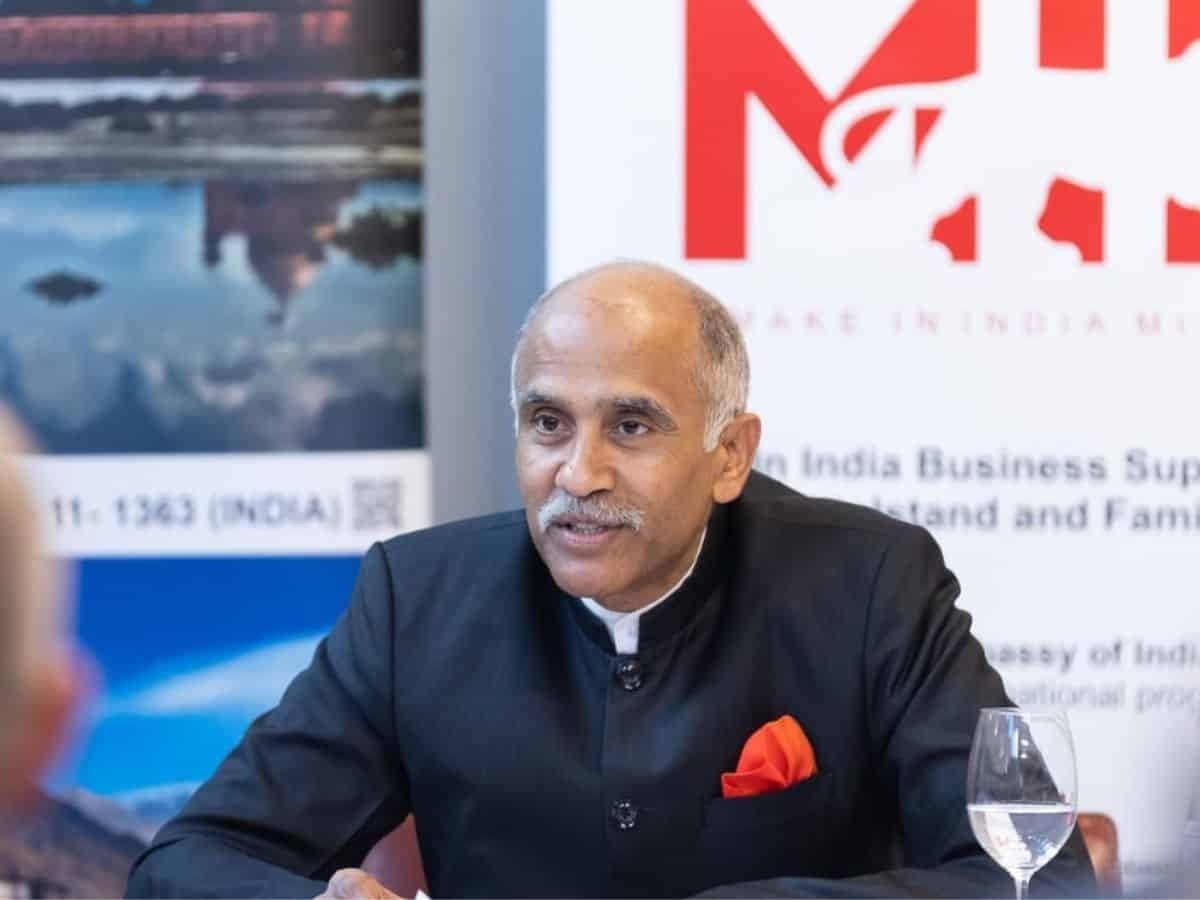
In a fiercely worded diplomatic offensive, India has delivered a blistering takedown of Pakistan at the United Nations Security Council (UNSC). Addressing the annual open debate on the ‘Protection of civilians in armed conflict’, India’s Permanent Representative to the UN, Ambassador Harish Parvathaneni, accused Islamabad of harboring a “long-tainted record of genocidal acts” and using state-sponsored terrorism to destabilize the region.
The sharp rebuke came as a Right of Reply after the Pakistani delegation attempted to raise the issue of Jammu and Kashmir—a territory India maintains is an unalterable, strictly internal matter.
The Afghan Front: Unmasking Cross-Border Violence
Ambassador Parvathaneni heavily leveraged verified data from the United Nations Assistance Mission in Afghanistan (UNAMA) to dismantle Pakistan’s humanitarian posture. He specifically turned the spotlight onto Islamabad’s cross-border military aggression against Afghan civilians.
“The world has not forgotten that it was during the holy month of Ramadan… that Pakistan conducted a barbaric airstrike on the Omid Addiction Treatment Hospital in Kabul,” Parvathaneni stated, noting that the strikes hit right as patients were exiting evening tarawih prayers. He pointed out that UNAMA documentation attributed 94 out of 95 tracked civilian casualty incidents in the border regions directly to Pakistani security forces.
Historical Precedent: The 1971 Bangladesh Genocide
India argued that Pakistan’s current cross-border aggression shouldn’t shock the international community, given how its military apparatus historically treated its own citizens.
The envoy explicitly invoked Operation Searchlight—the Pakistani Army’s brutal 1971 military crackdown against the Bangladeshi nationalist movement in what was then East Pakistan.
The 1971 Record: India accused Islamabad of legally and militarily sanctioning a systematic campaign of violence that included the genocidal mass rape of over 400,000 women by its own armed forces.
“Propaganda Can’t Hide Internal Failures”
The Indian delegation characterized Pakistan’s persistent focus on Kashmir as a desperate, decades-long strategy to externalize its own compounding domestic crises through cross-border terror and revisionist rhetoric.
Concluding his statement with a sweeping indictment of Islamabad’s foreign policy framework, Parvathaneni remarked: “Such inhuman conduct reflects Pakistan’s repeated attempts over decades to externalise internal failures through increasingly desperate acts of violence both within and beyond its borders. With no faith, no law, and no morality, the world can see through Pakistan’s propaganda.”
