

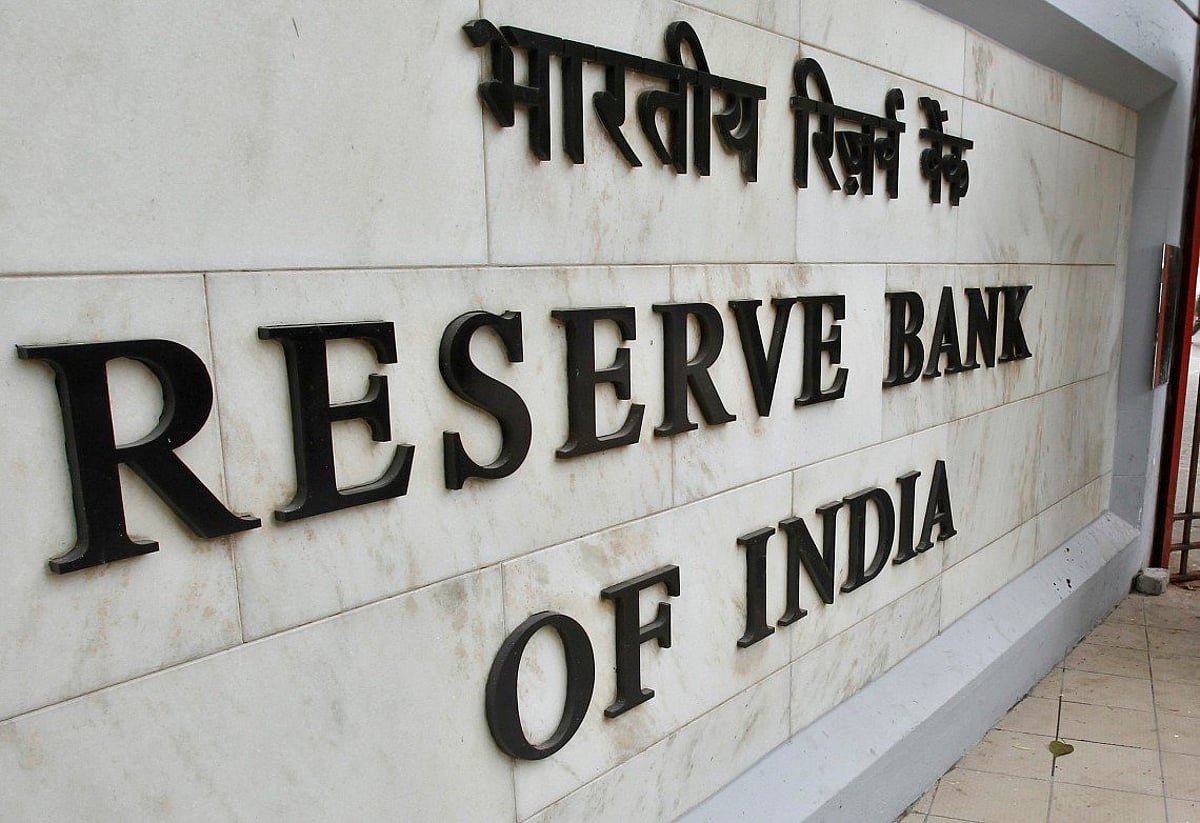
India’s Retail Digital Rupee (e₹)—the official Central Bank Digital Currency (CBDC) issued and backed by the Reserve Bank of India (RBI)—has evolved from a controlled pilot project into a rapidly scaling cornerstone of the nation’s financial architecture. Fresh data reveals that the sovereign digital currency has officially crossed a major milestone, recording over 150 million transactions with a cumulative value surpassing ₹34,000 crore nationwide.
While the change is unfolding quietly beneath the surface, industry experts emphasize that the e-Rupee is not simply another digital payment option trying to compete with the Unified Payments Interface (UPI). Instead, it represents a structural modernization of fiat money itself.
Not Crypto, Not UPI: Understanding the E-Rupee
The rise of the Digital Rupee has cleared up several common misconceptions regarding how it fits into India’s robust financial ecosystem:
-
Sovereign Legal Tender: Unlike private and highly speculative cryptocurrencies like Bitcoin, the e₹ is direct sovereign money. It is an electronic token carrying the exact same legal tender status, valuation, and denominations (from ₹1 to ₹500) as physical paper notes and coins.
-
The Structural Shift from UPI: Everyday users frequently confuse the digital rupee with UPI, but the two operate on completely different layers of banking infrastructure. UPI is a mechanism that shifts commercial bank liabilities back and forth between two distinct accounts. In stark contrast, the e₹ itself is the money. It is a direct liability of the RBI, stored in personal digital wallets provided by major commercial banks.
Because it functions like digital cash, transactions settle instantly and finality is reached without requiring intermediary settlement guarantee infrastructure or commercial bank clearing cycles.
Advanced Functionalities: Programmability and Offline Use
As the RBI moves past initial transaction volume targets, the focus in 2026 has shifted heavily toward rolling out highly sophisticated features designed to solve structural real-world friction.
1. Smart Contracts and Programmable Cash
One of the most defining characteristics of the digital rupee is its ability to be “programmed.” This feature allows funds to be earmarked for a specific, non-transferable purpose. For example, the government can distribute agricultural subsidies via the e-Rupee that are coded to only unlock when scanned at a verified fertilizer or seed merchant, completely eliminating systemic leakages or misuse of welfare funds.
2. Offline Capabilities
To ensure deep penetration across remote and rural areas with spotty internet connectivity, the RBI is actively testing offline functionality utilizing Near Field Communication (NFC) protocols. This allows users to make secure, instantaneous peer-to-peer digital transactions anywhere, effectively mimicking the “anytime-anywhere” resilience of physical cash.
The Industry Outlook
| Key Metric | Status / Milestone (2026) | Long-Term Strategic Role |
| Cumulative Value | 📈 Crossed ₹34,000 Crore | Reflects growing corporate and wholesale adoption alongside retail scaling. |
| User Base | ~6 Million Active Wallets | Gradual, calibrated rollout across multiple states and distinct user segments. |
| Previous Circulation Baseline | ₹1,016 Crore (As of March 2025) | Shows exponential ecosystem expansion over a twelve-month horizon. |
While industry leaders agree that UPI will continue to dominate high-volume daily retail transactions for the foreseeable future, they note that the true power of the Digital Rupee lies under the hood.
By driving down the immense fiscal costs associated with printing, securing, and distributing physical paper currency, and exploring cross-border CBDC use cases to bypass costly dollar-based settlement systems for international remittances, the e-Rupee is laying the groundwork for India’s next-generation financial superpower status. However, experts warn that widespread retail adoption will remain a slow, behavioral shift, contingent on users feeling a clear everyday advantage regarding transaction privacy and cybersecurity.
